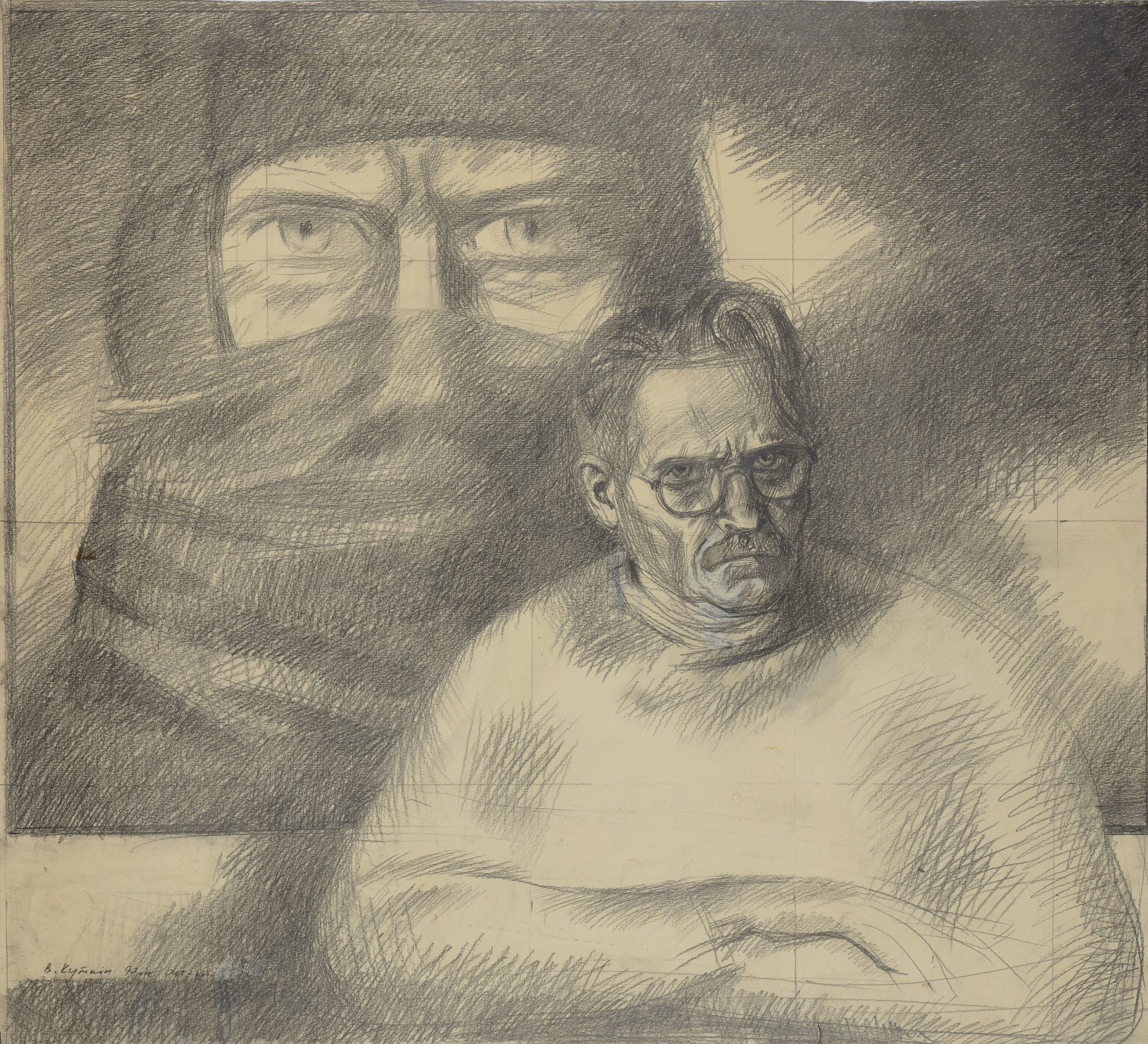

On 12 November, we celebrate the 100th anniversary of Volodymyr Serhiiovych Kutkin (1926–2003), a distinguished graphic artist, painter, Honoured Artist of Ukraine, and People’s Artist of Ukraine. He was among the first artists in the USSR to dare to bear witness, through their art, to the genocide of the Ukrainian people and Stalin’s repressions. Today, the National Museum of the Holodomor-Genocide houses over a hundred of his works on these themes.
The beginning of his journey. Volodymyr Kutkin was born in Zhytomyr into a family of civil servants, and in 1933 the family moved to Kyiv. He received his first drawing lessons from his grandfather, Pavlo Bilkov, a graduate of the Kazan Art School. In 1938, he enrolled at the Taras Shevchenko Art School in Kyiv. His studies were interrupted by the Second World War: his father died in hospital from a serious injury, his mother was evacuated, and he was looked after by his grandparents. He had to paint at night. After the war, he returned to school and in 1948 enrolled in the Faculty of Graphic Arts at the Kyiv State Art Institute.
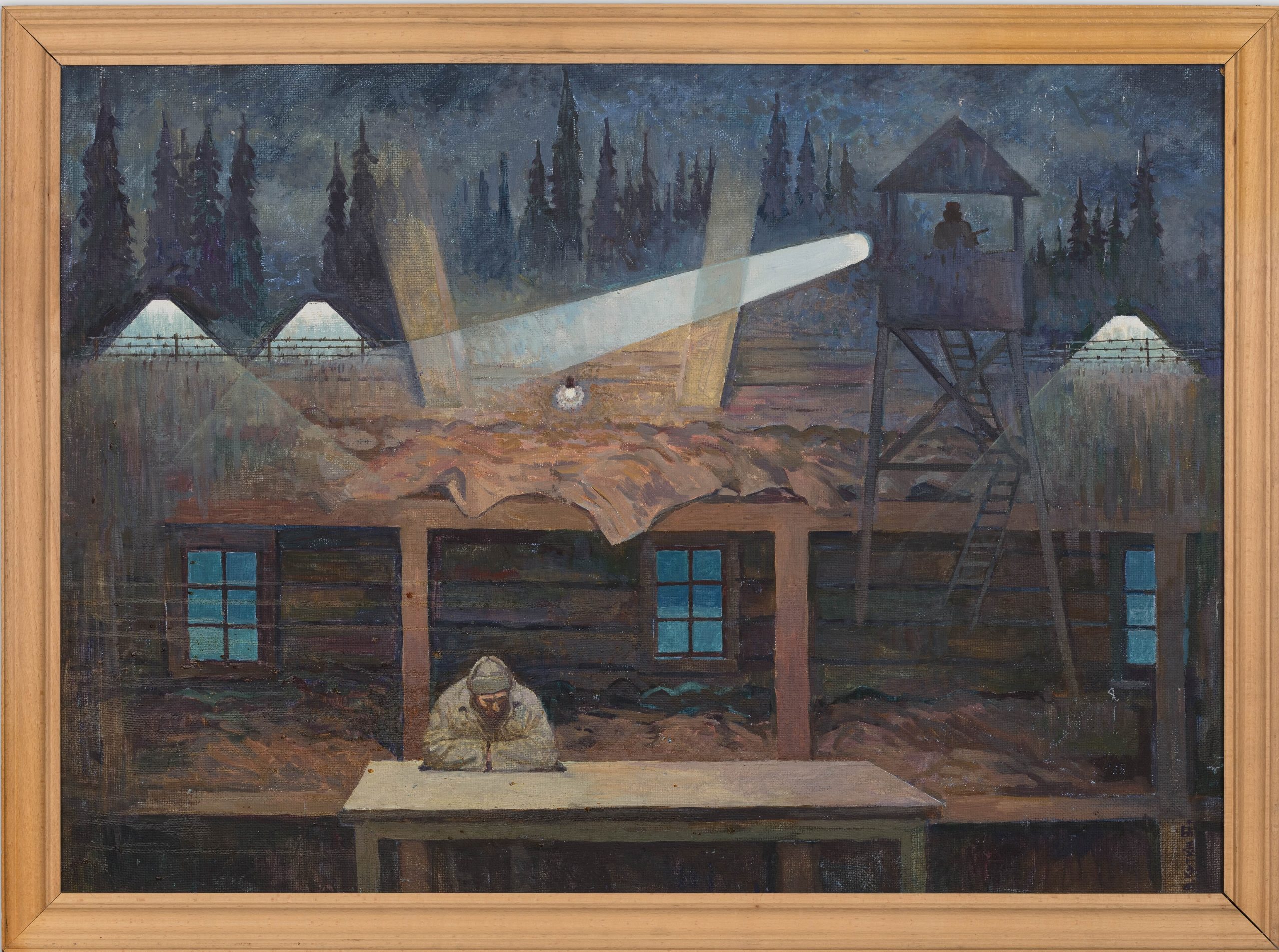
He knew the value of the truth. In 1950, Kutkin, then a second-year student, was arrested for ‘anti-Soviet propaganda and agitation’ and sentenced to eight years in the camps. He served five years of his sentence in the Vyatka labour camps in Russia, working on a logging site. In 1955, he was exonerated on the grounds that no crime had been committed. His own experience of captivity and persecution gave him the moral authority to speak out about the tragedies that the totalitarian regime had sought to conceal.
A creative boom and international recognition. Upon returning from the camps, Kutkin continued his studies and graduated with honours from the institute in 1957. He accepted a position as art editor at a publishing house and was actively involved in easel painting, book illustration, and monumental graphic art. The artist gained international recognition by participating in exhibitions in Japan, Canada and Czechoslovakia. In 1965, he was awarded the Silver Medal at the International Book Fair in Leipzig.
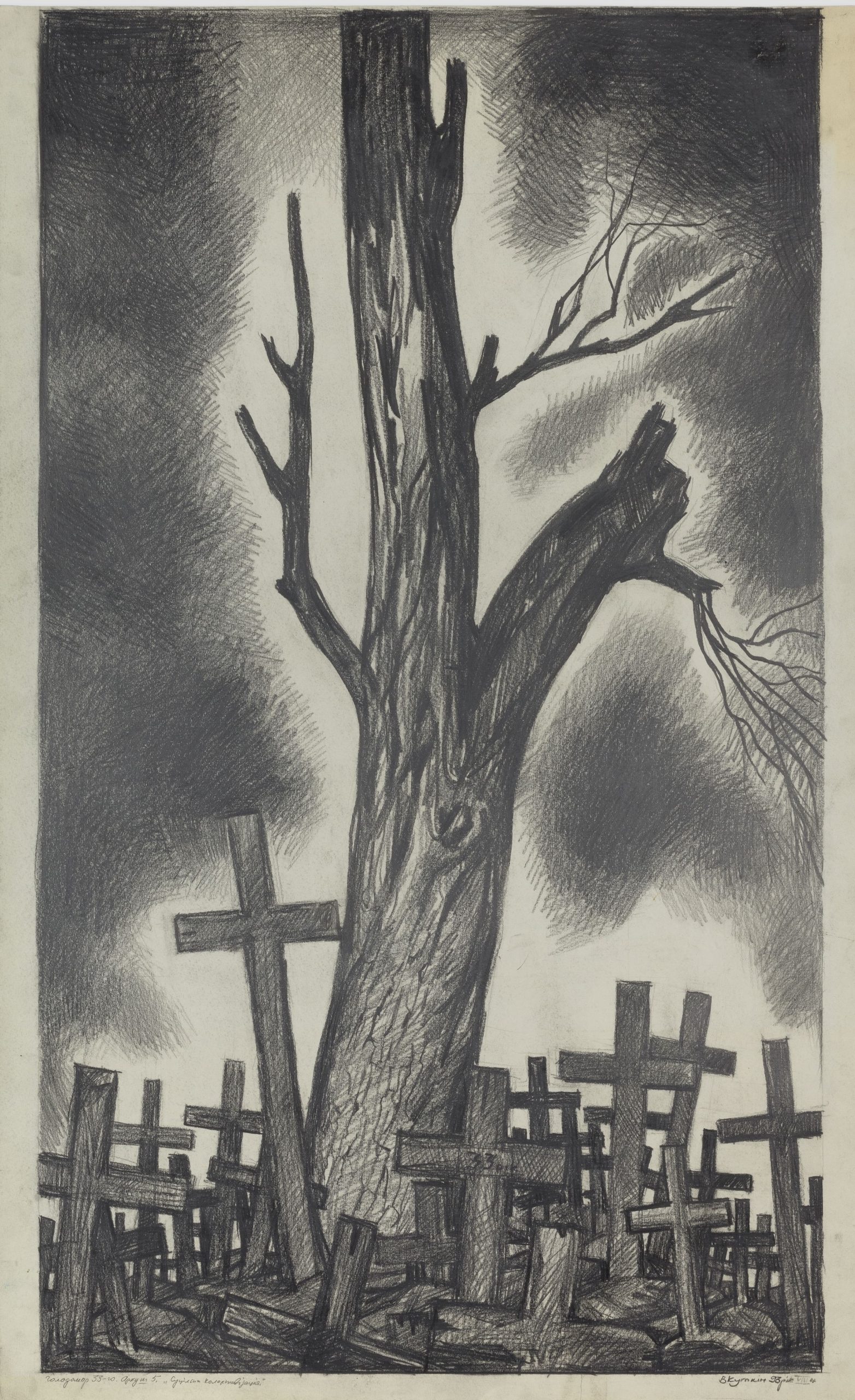
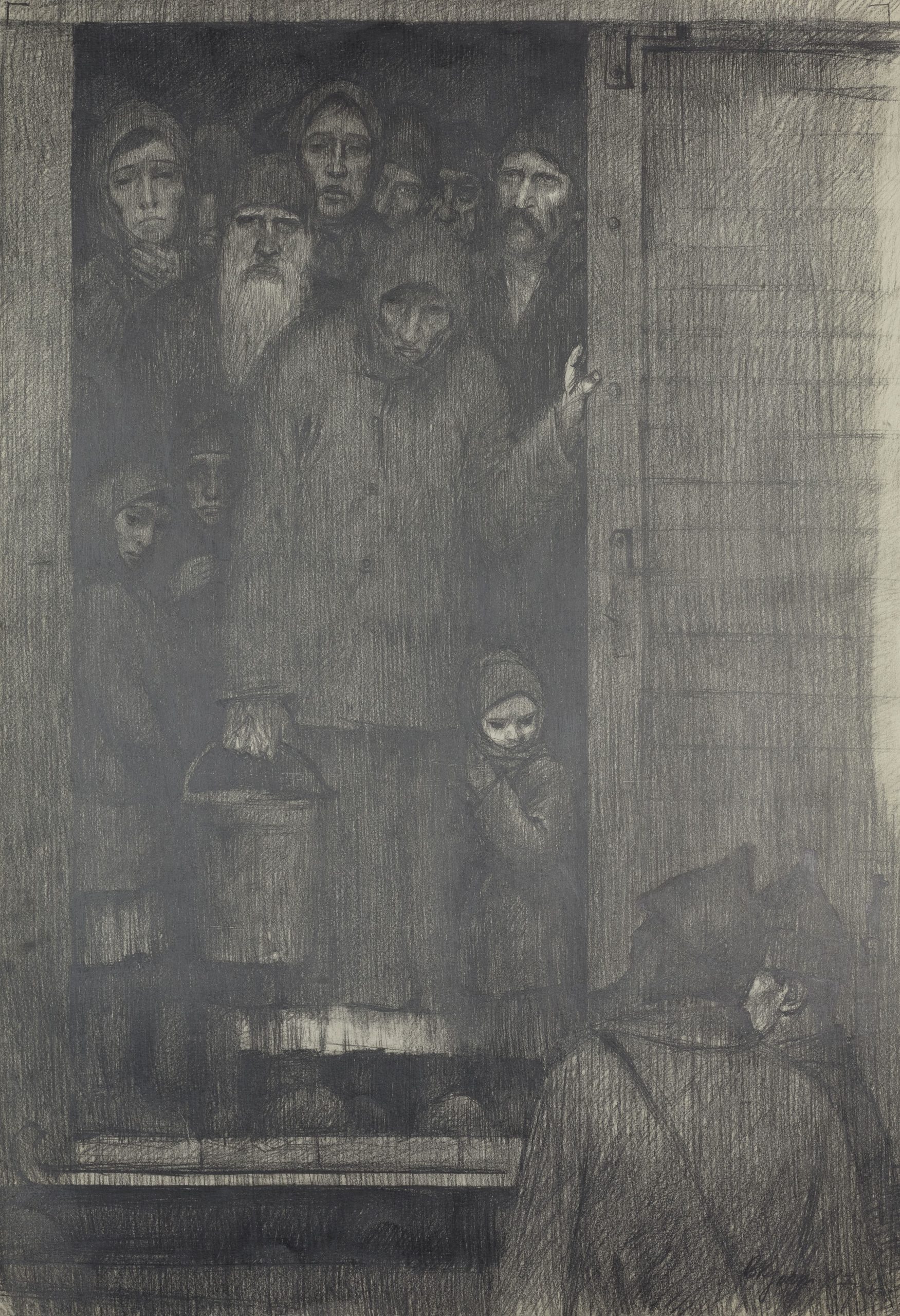
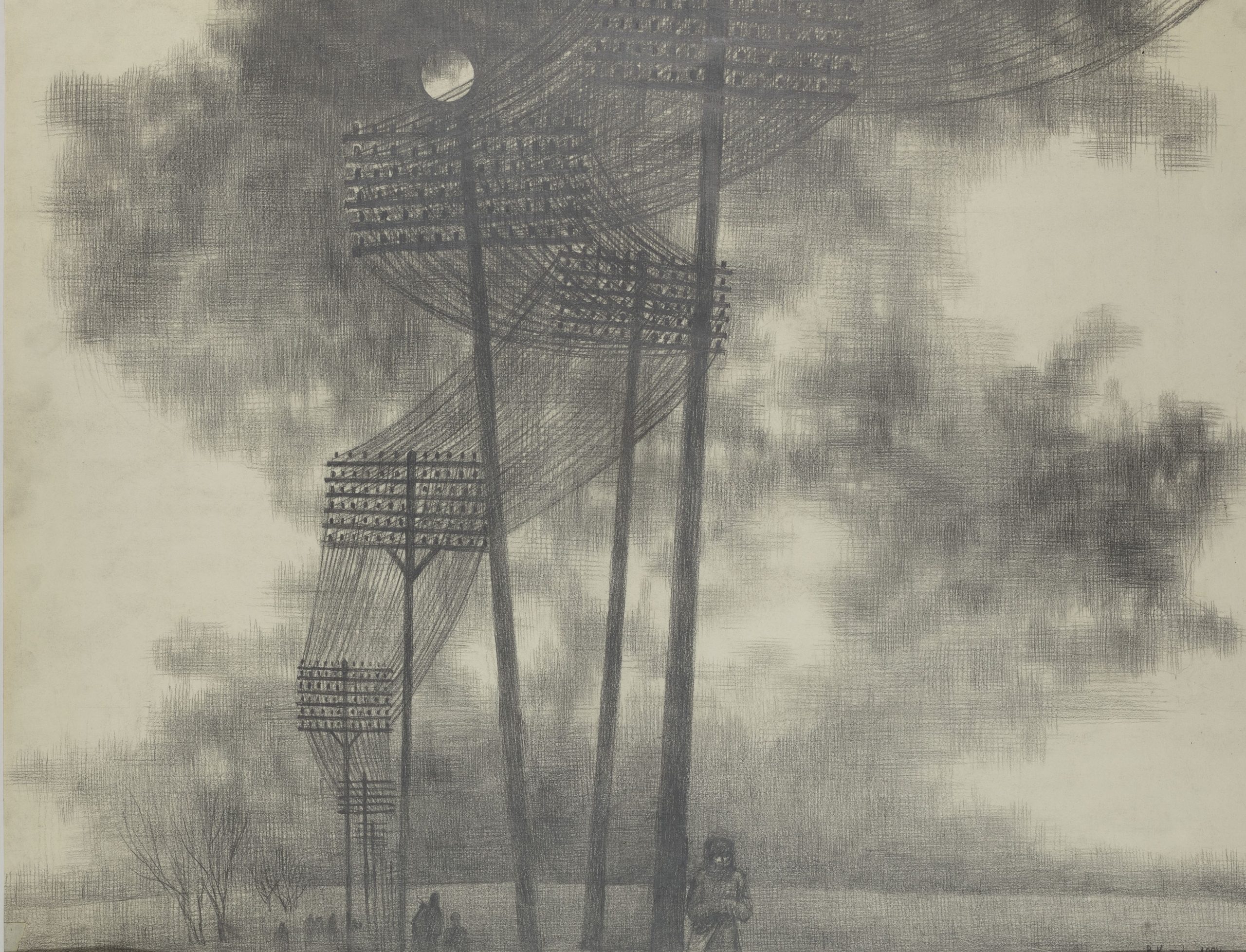
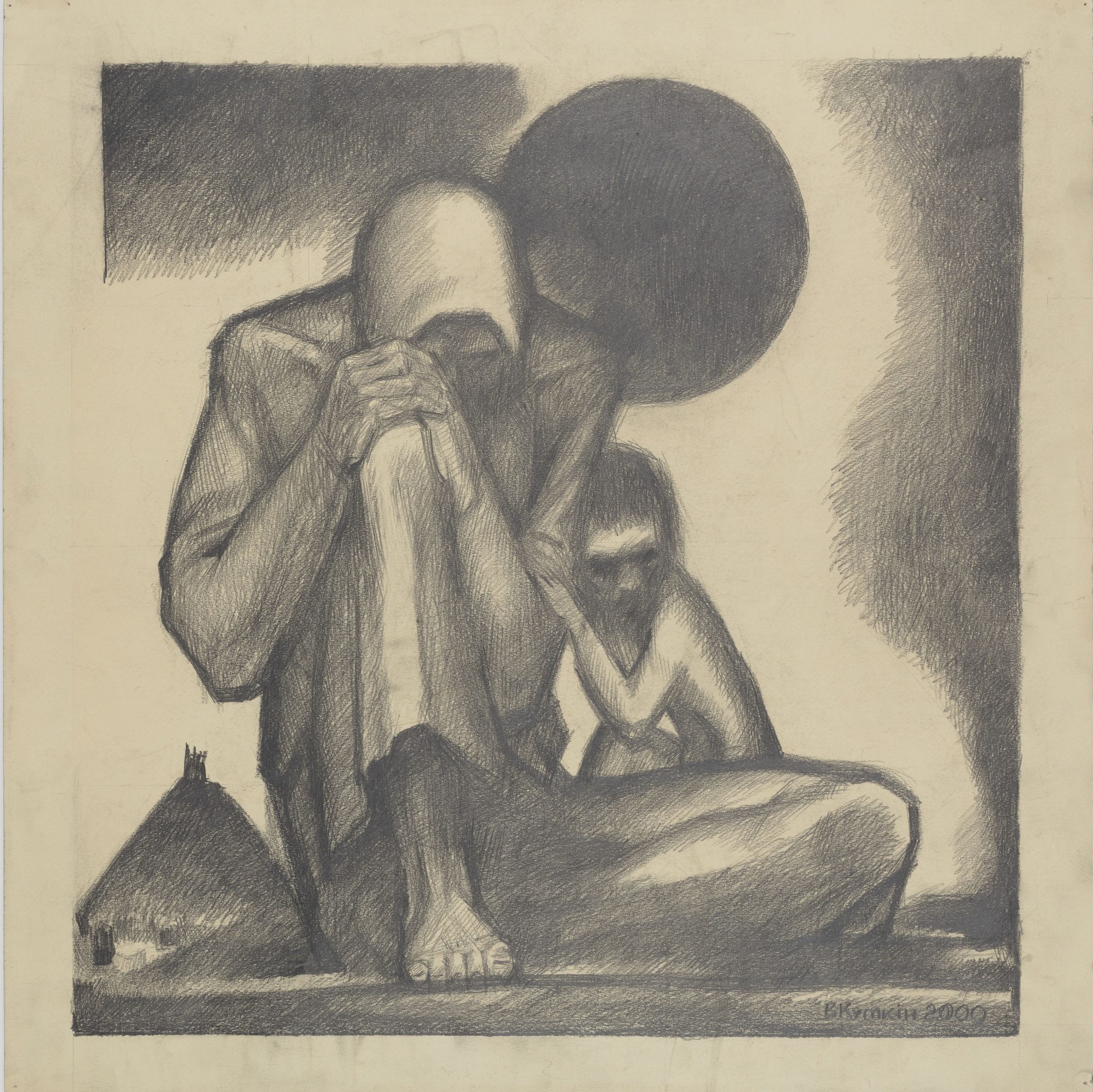
He depicted the Holodomor at a time when it was a subject of silence. In 1988, while the Soviet regime was still in power, the artist began working on his iconic series of prints titled ‘The Holodomor of 1933’ (also known as ‘1933’). The subject was strictly taboo: the man-made famine was denied, and witnesses were intimidated. Kutkin did not wait for permission. Using expressive graphic techniques, chiaroscuro and profound symbolism, he captured the tragedy of the destruction of the Ukrainian peasantry. The artist continued to work on the Holodomor theme until the early 2000s. In this series, through images of emaciated mothers with starving children, deserted Ukrainian huts, leaning crosses, silent grave mounds and the stark tragedy of human figures, he revealed what the authorities had tried to erase from the national memory for years.
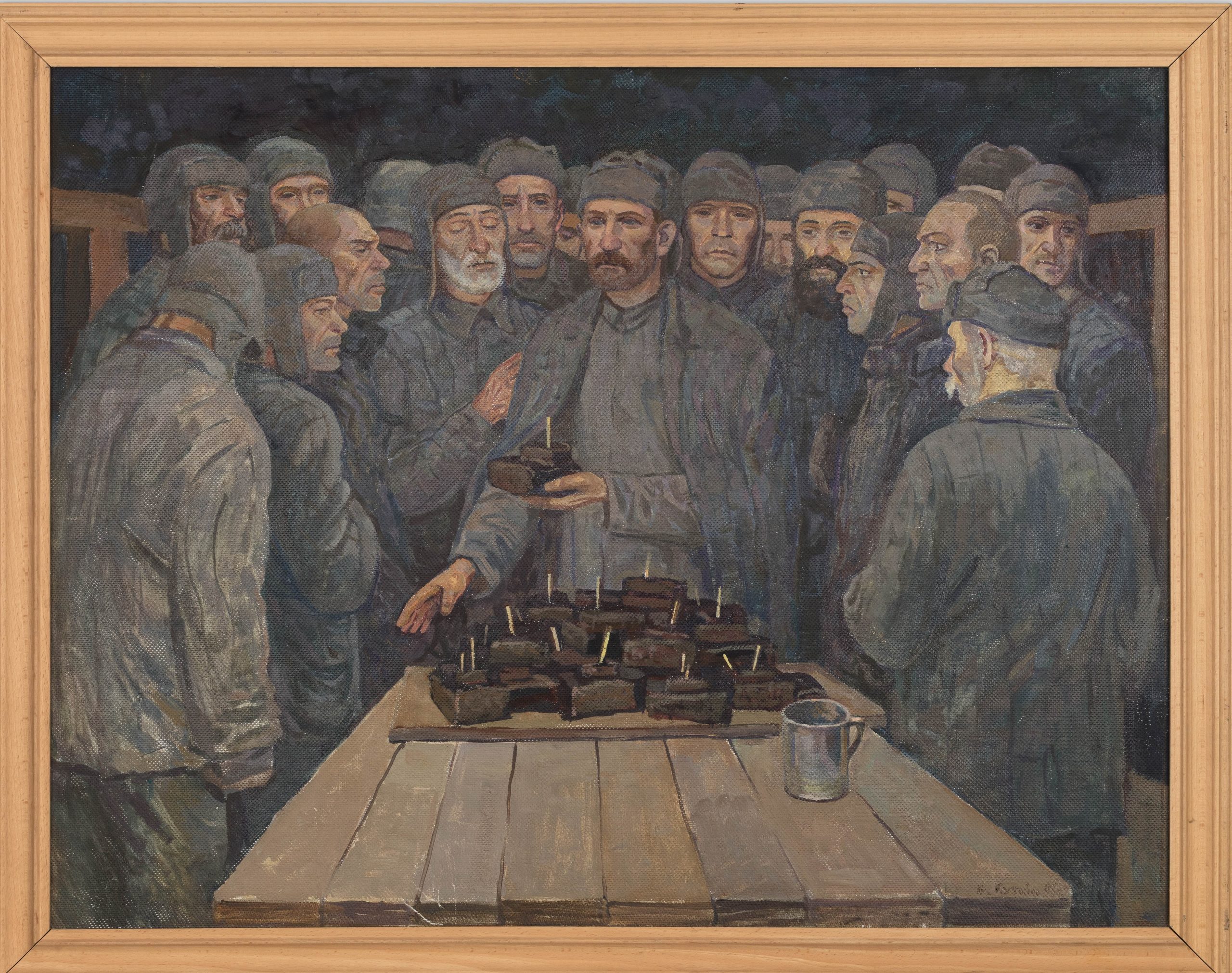
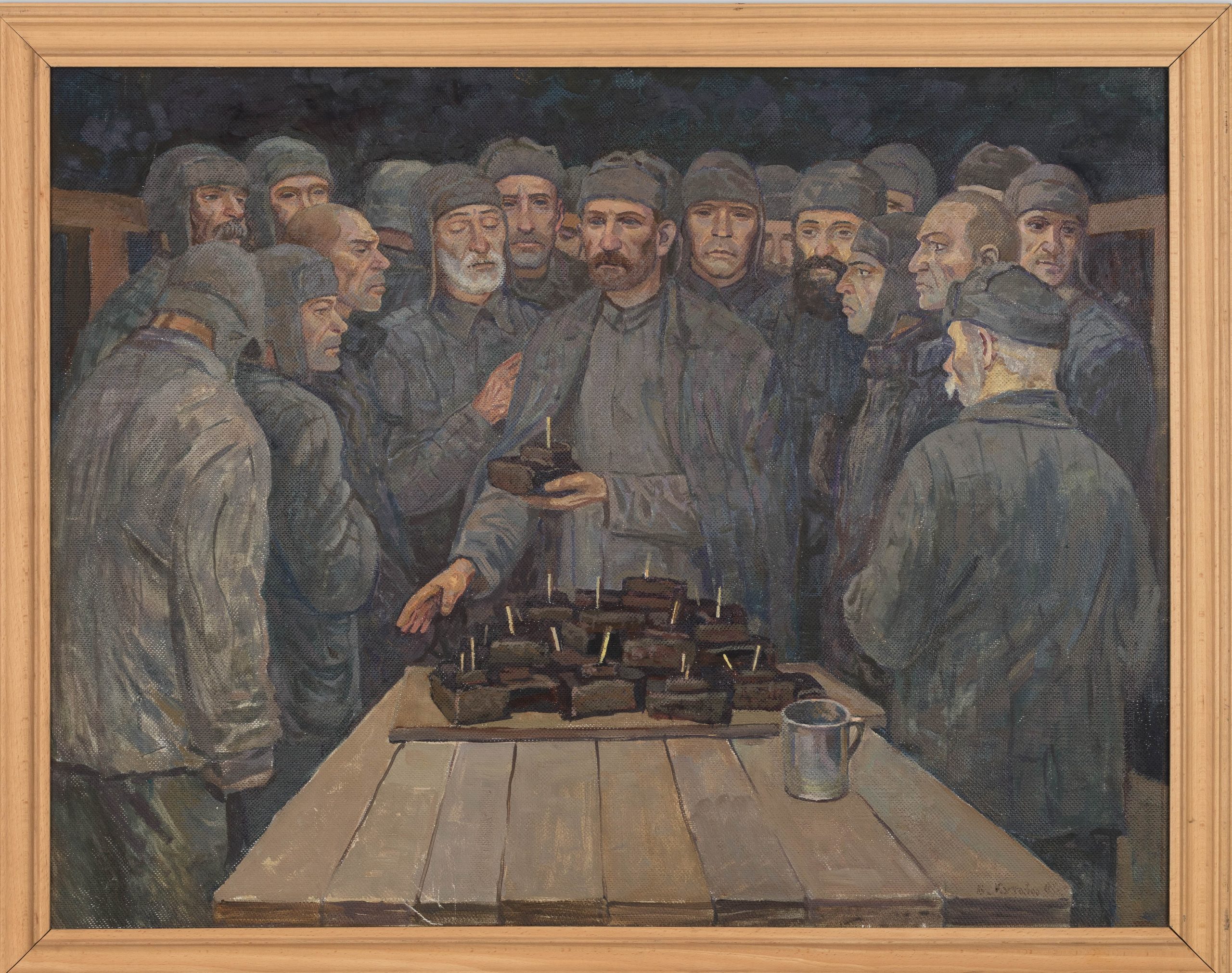
He spent his whole life bearing witness to the regime’s crimes. In his ‘GULAG’ series (1987–2003), Volodymyr Kutkin captured the tragedy of those wrongfully convicted in Stalin’s camps: exhausted and humiliated by a brutal system, yet unbroken in spirit. Together with the series ‘The Holodomor of 1933’, these works form a comprehensive artistic testimony to the genocidal nature of the communist regime.
He restored history and dignity to the Ukrainian people. He painted Taras Shevchenko, Lesia Ukrainka, Prince Igor, the hetmans Petro Sahaidachnyi and Ivan Mazepa, Cossacks and peasants. The series ‘Ukraine. Images of a Heroic Era’ (1977–2003) and the triptych ‘The Truth of Ukraine’ (1990) became his powerful statement on memory and identity.
A versatile artist. He worked in easel and book illustration, painting and monumental art; his techniques included etching, linocut, watercolour, pastel and oil. He illustrated ‘Kobzar’, Oles Honchar’s novel ‘Tronka’, and short stories by Hryhorii Kosynka. In 2001, he was awarded the title of People’s Artist of Ukraine.
An artist of unshakeable integrity. ‘Volodymyr Kutkin was a selfless artist of unshakeable integrity,’ recalled the artist’s friend Hennadii Poliovyi, a graphic artist and publicist. ‘A man of great, fiery temperament; an artist who never lied in his art, nor did he play games or speculate, as many of his colleagues did, on officially sanctioned topical themes. A courageous artist who was not afraid of extreme, risky decisions, and who knew how to command the respect of others’. Despite life’s challenges, the artist remained sensitive and kind, his acquaintances noted. A century ago, an artist was born who chose not to remain silent during a time when silence was the norm, and speaking the truth could lead to losing one’s freedom. His works on the Holodomor continue to shed light on the origins and extent of the crimes committed against the Ukrainian people.
Andrii Ivanets, Senior Research Fellow at the National Museum of the Holodomor-Genocide, PhD in History