

What’s Changing
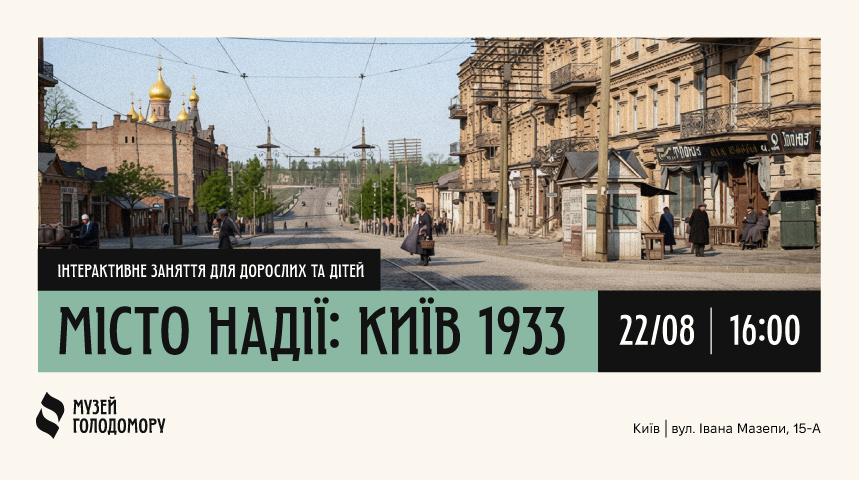
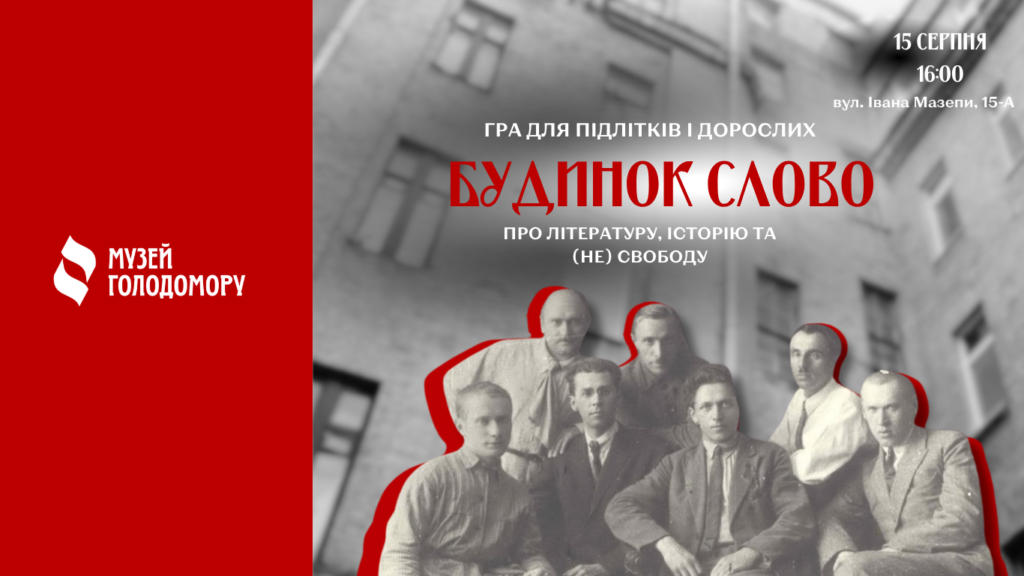
The updated logo is built around a symbolic mark — a candle flame that speaks to the indestructibility of the memory of the Holodomor and its victims. The logo’s wordmark is set in the new signature typeface NMHG Display, whose details draw on Ukrainian typographic heritage. The Museum’s brand typefaces, in particular, feature four “historical” alternate letterforms: an old-style “і” with a diacritic, a historical form of the letter “N,” full diagonals in “NИ,” and a triangular construction of the letters “Л” and “Д.” Combining the traditions of Ukrainian writing with a contemporary visual language has resulted in distinctive corporate typefaces that help shape a recognizable image for the Museum and set it apart from other cultural institutions
The colour palette combines warm white and black with four accent colours — red, yellow ochre, wormwood green, and steel blue — reflecting the core themes of the Museum’s visual identity: resilience, memory, renewal, and hope. The new graphic language draws on the architecture of the memorial complex building and the geometry of Ukrainian embroidery.
The updated website has become more user-friendly for visitors thanks to a new structure, available in Ukrainian and English, with improved mobile responsiveness and accessibility. Thanks to the update, visitors will be able to more easily find and browse archival materials and testimonies about the Holodomor genocide; the Museum’s research findings; information about exhibitions and events; educational and public programs; the museum collection; and information about the Museum’s activities.
The update to the visual identity and website was carried out by the Digital Kit agency as part of international technical assistance dedicated to strengthening the Museum’s communications capacity.
“The National Museum of the Holodomor-Genocide is currently undergoing a series of important transformations, one of which is the update of our visual identity and website. These changes are demanded by the times — we have grown and changed, we have reconsidered our values and mission, and we want to speak to our audience in a more contemporary way, while also opening the Museum to new visitors. Although the Museum’s physical space is still limited solely to the Hall of Memory, since construction of the complex’s main building remains suspended during the war, the Museum’s team has long since moved beyond the traditional understanding of museum space. We are moving away from a mentoring, top-down way of presenting history and are creating a welcoming, in-depth environment with the fullest possible range of information. At the same time, our foundation remains tradition — memory, respect for history, and responsibility to future generations,”
— Lesia Hasydzhak, General Director, National Museum of the Holodomor-Genocide
“The Museum’s updated website is more than a new design: it is a tool that directly strengthens the Museum’s institutional capacity for advocacy and communication with audiences in Ukraine and around the world. We are proud to support this work with the backing of Global Affairs Canada and in partnership with the Canada-Ukraine Foundation,”
— John Karalis, Project Director, “Support to Ukraine’s National Museum of the Holodomor-Genocide,” Cowater International
About the National Museum of the Holodomor-Genocide
The National Museum of the Holodomor-Genocide is the first and only national museum dedicated to studying the Holodomor genocide of 1932–1933 and preserving the memory of its victims. The Museum researches and shares knowledge about the Holodomor in Ukraine and around the world, and serves as a centre for honouring the memory of the millions of Ukrainians who perished from famine under the communist totalitarian regime.
About the Project
The project “Support to Ukraine’s National Museum of the Holodomor-Genocide” is implemented by Cowater International in partnership with the Canada-Ukraine Foundation, with funding from Global Affairs Canada.
Media Contact
Lina Teslenko
Deputy Head of the Public Communications Department, National Museum of the Holodomor-Genocide
+380677255241