
Fritjof Nansen was a Norwegian polar explorer, diplomat, and humanitarian, and the Nobel Peace Prize winner in 1922. His connection to Ukraine stems from a special mission: helping people who suffered during the famine of 1921-1923. Nansen worked tirelessly to raise awareness in the international community about this humanitarian catastrophe, organised food aid, and supported efforts to rescue those who were starving. His work became a model of humanity and solidarity in the face of mass famine, and his selfless dedication is still referred to as the ‘Nansen Mission’ as a mark of gratitude to a man who did not turn a blind eye to the suffering of others.
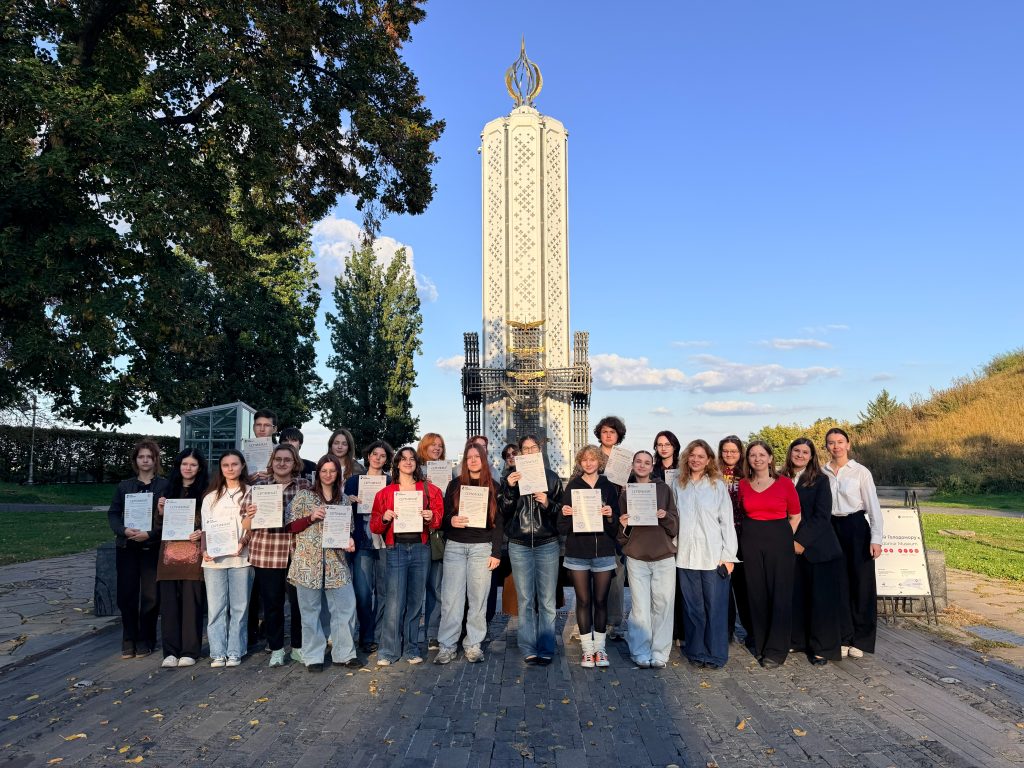
10 October marked the 165th anniversary of Fridtjof Nansen’s birth. To mark the occasion, an event was held in the centre of Kyiv to commemorate the outstanding Norwegian who dedicated his life to saving others.
The National Museum of the Holodomor-Genocide partnered in an event organised by the Kyiv Human Rights Hub in collaboration with Ukrainian PEN, the Centre for Civil Liberties, and the Norwegian Helsinki Committee, with support from the Norwegian Government. The Museum was represented by Mykhailo Kostiv, Head of the Research Department on Genocide, Crimes Against Humanity and War Crimes.
During the meeting, he spoke about Nansen’s humanitarian mission during the mass man-made famine in Ukraine in 1921–1923. “The mission operated through a network of organised distribution points that ensured the distribution of food rations. It focused particularly on children, students, teachers and the fight against epidemics,” emphasised Mr Mykhailo.
Speaking about Nansen’s character, Mykhailo Kostiv highlighted his sense of justice. This was evident both in his defence of the rights and interests of all peoples (particularly during his work at the League of Nations) and his commitment to treating people of different backgrounds and means equally.
Mykhailo Kostiv also noted that in 1932–1933, the communist regime had already prevented organised international aid from reaching Ukraine. The USSR denied the very existence of the famine, and millions of people perished.
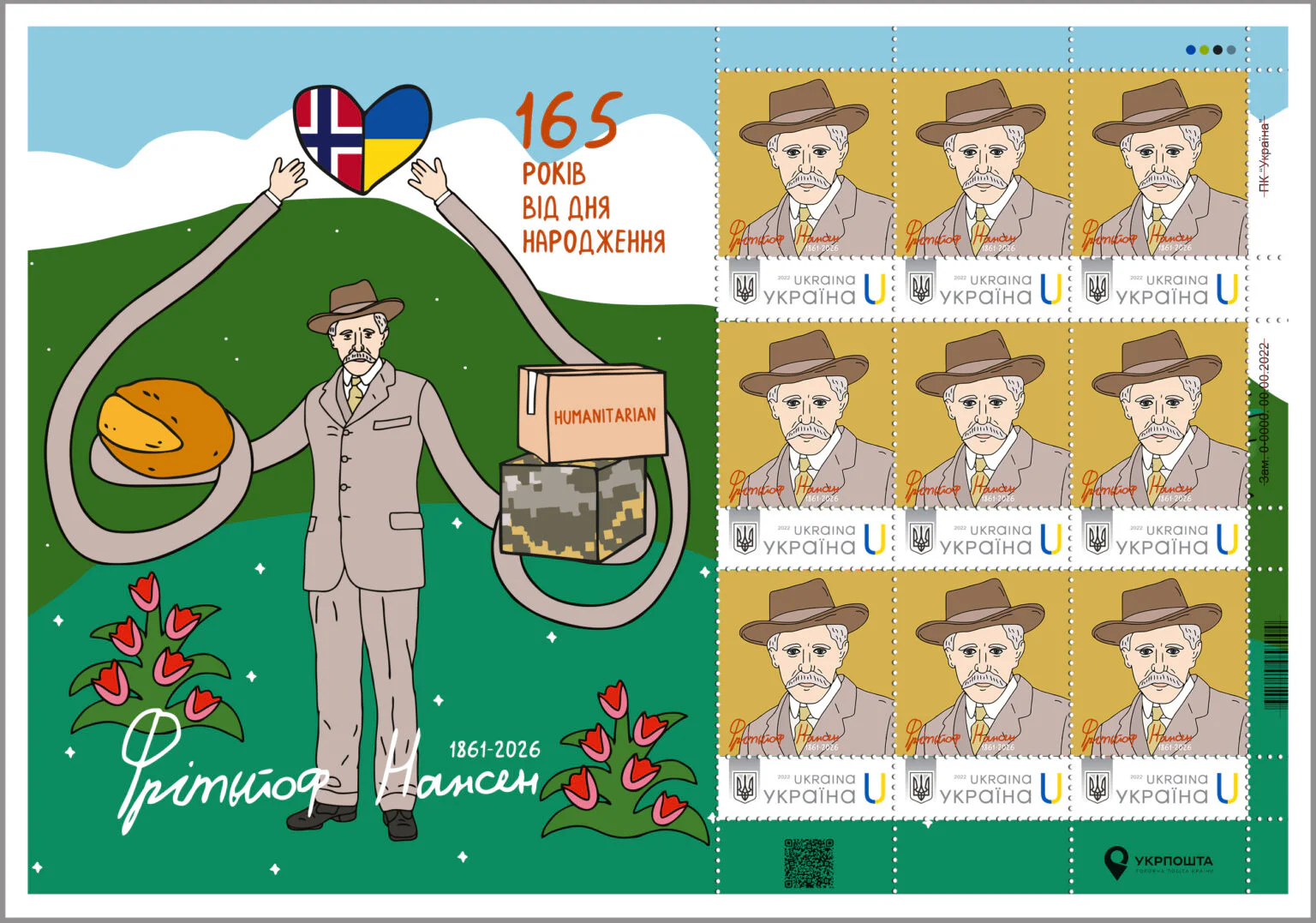
Attendees also participated in the symbolic cancellation of a commemorative postage stamp designed by artist Oleksandr Hriekhov, along with a discussion about Nansen’s historical legacy and its significance today.
We extend our sincere thanks to the organisers and partners of the event for their initiative and cooperation!
Photo of Nadiia Tsytsylina from the Kyiv Human Rights Hub website.