
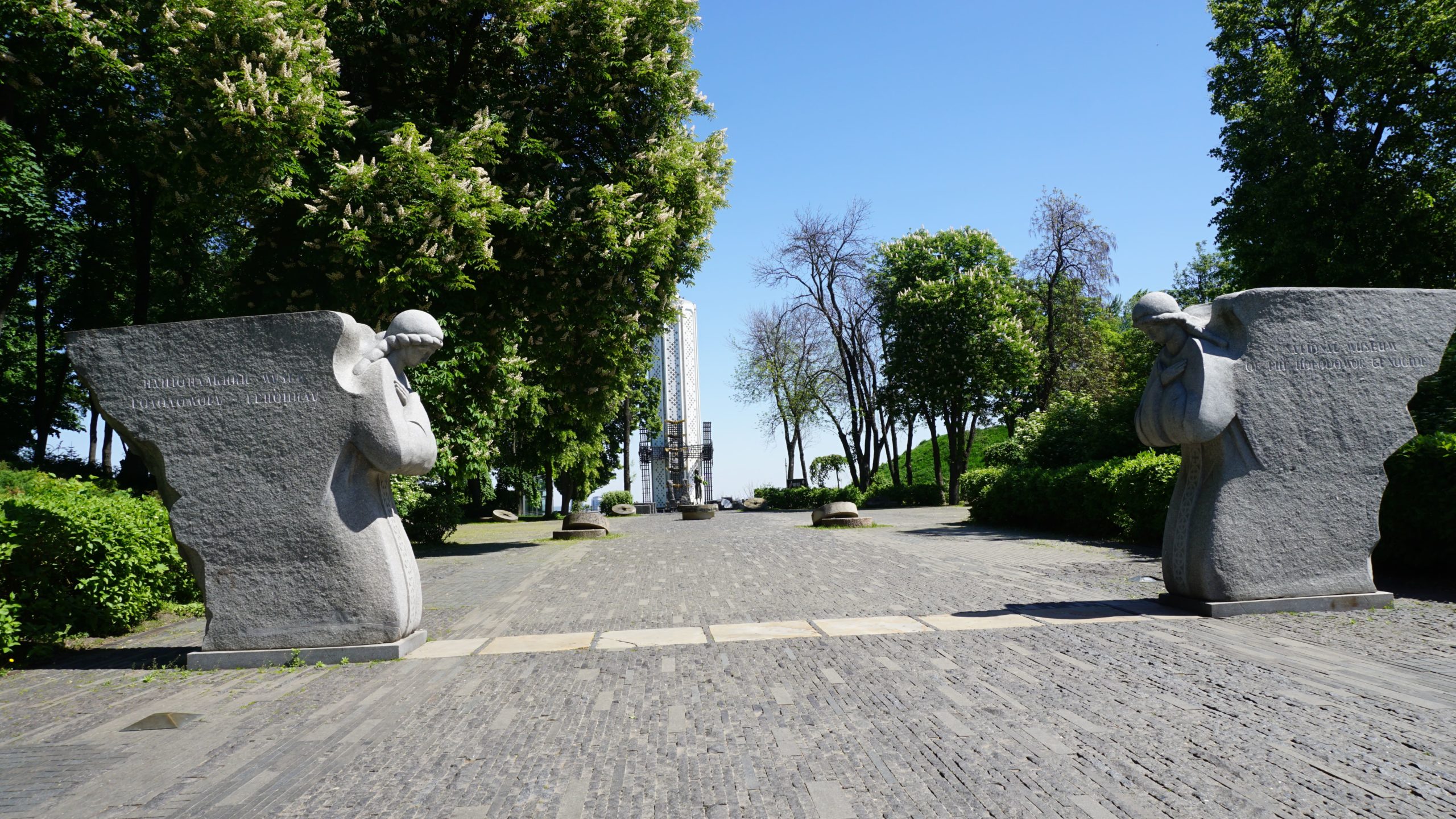
The Ministry of Culture of Ukraine has approved the establishment of the Supervisory and Expert Boards for the National Museum of the Holodomor-Genocide. According to the Ministry of Culture of Ukraine, the new bodies will strengthen the museum’s management system, enhance its research work, and expand cooperation with Ukrainian and international experts.
The Supervisory Board includes eleven representatives from Ukrainian public associations, international organisations, the Ukrainian diaspora and the academic community. Its members will serve for five years. The Supervisory Board will oversee the museum’s activities, recommend its development, help secure additional resources, monitor compliance with the Statutes, and approve specific management decisions in accordance with the law. The members of the Board will also elect a Chair, Deputy Chair and Secretary from among their number.
“The memory of the Holodomor is part of Ukrainian identity and our responsibility to future generations. We must preserve it and convey to the world the truth about the genocide of the Ukrainian people. The National Museum of the Holodomor-Genocide must operate to the highest standards of transparency and academic integrity. The Supervisory and Expert Boards include distinguished Ukrainian and international experts who will help the museum to develop, strengthen international cooperation and remain one of the key centres for research and the preservation of the memory of the genocide of the Ukrainian people,” said Tetiana Berezhna, Deputy Prime Minister for Humanitarian Policy of Ukraine and Minister of Culture of Ukraine.
The Expert Board will serve as the museum’s permanent advisory body. It will consist of twelve Ukrainian and international academics and experts, appointed for a term of five years. They will work to develop the museum’s research, collections, exhibitions, publishing, educational and methodological activities. The Expert Board will also promote international academic cooperation. In addition, they will facilitate the study of documents held in Ukrainian and foreign archives.
The Supervisory Board will hold its first meeting in the near future, elect its leadership and adopt its rules of procedure.
Members of the Supervisory Board of the National Museum of the Holodomor-Genocide
1. Myron Wasylyk, expert in public relations and strategic communications;
2. Roman Washchuk, Ambassador Extraordinary and Plenipotentiary of Canada to Ukraine from 2014 to 2019;
3. Anton Drobovych, Head of the Ukrainian Institute of National Remembrance from 2019 to 2024, Candidate of Philosophical Sciences;
4. Hanna Kapustian, historian, Doctor of Historical Sciences;
5. Taras Kytsmey, entrepreneur, co-founder of SoftServe Corporation, Candidate of Physical and Mathematical Sciences;
6. Olena Kovalska, Deputy Head of the Office of the President of Ukraine;
7. Andriy Kohut, Director of the Sectoral State Archive of the Security Service of Ukraine;
8. Bogdan Logvynenko, journalist, writer, and serviceman in the Armed Forces of Ukraine;
9. Viktor Rud, lawyer, former Chair of the Ukrainian-American Bar Association;
10. Olya Soroka, Chair and Founder of the Network of Holodomor Descendants;
11. Viktor Yushchenko, President of Ukraine from 2005 to 2010.
Members of the Expert Board of the National Museum of the Holodomor-Genocide
1. Valerii Vasyliev, Senior Research Fellow at the Institute of History of Ukraine of the National Academy of Sciences of Ukraine, Doctor of Historical Sciences;
2. Liudmyla Hrynevych, Senior Research Fellow at the Institute of History of Ukraine of the National Academy of Sciences of Ukraine, Doctor of Historical Sciences;
3. Valeriia Huievska, Art Director of the state-owned enterprise National Cultural, Art and Museum Complex ‘Mystetskyi Arsenal’;
4. Hennadii Yefimenko, Senior Research Fellow at the Institute of History of Ukraine of the National Academy of Sciences of Ukraine, Candidate of Historical Sciences;
5. Kateryna Kulai, Director of the Odesa National Art Museum;
6. Liubomyr Yaroslav Lutsiuk, Professor Emeritus of Political Geography at the Royal Military College of Canada, Senior Research Fellow in the Department of Ukrainian Studies at the University of Toronto;
7. Tymish Martynenko-Kushlianskyi, an expert on public policy, communications, historical memory and public activities;
8. Daria Mattingly, historian, senior lecturer in European history at the University of Chichester;
9. Iryna Anna Mytsak, strategic communications specialist, editor;
10. Frank Edward Sysyn, historian;
11. Anastasiia Cherednychenko, President of ICOM Ukraine, historian;
12. Yaryna Yasynevych, a social activist and specialist in communications and public history.