An exhibition by the Holodomor Museum opened at Lviv Polytechnic University
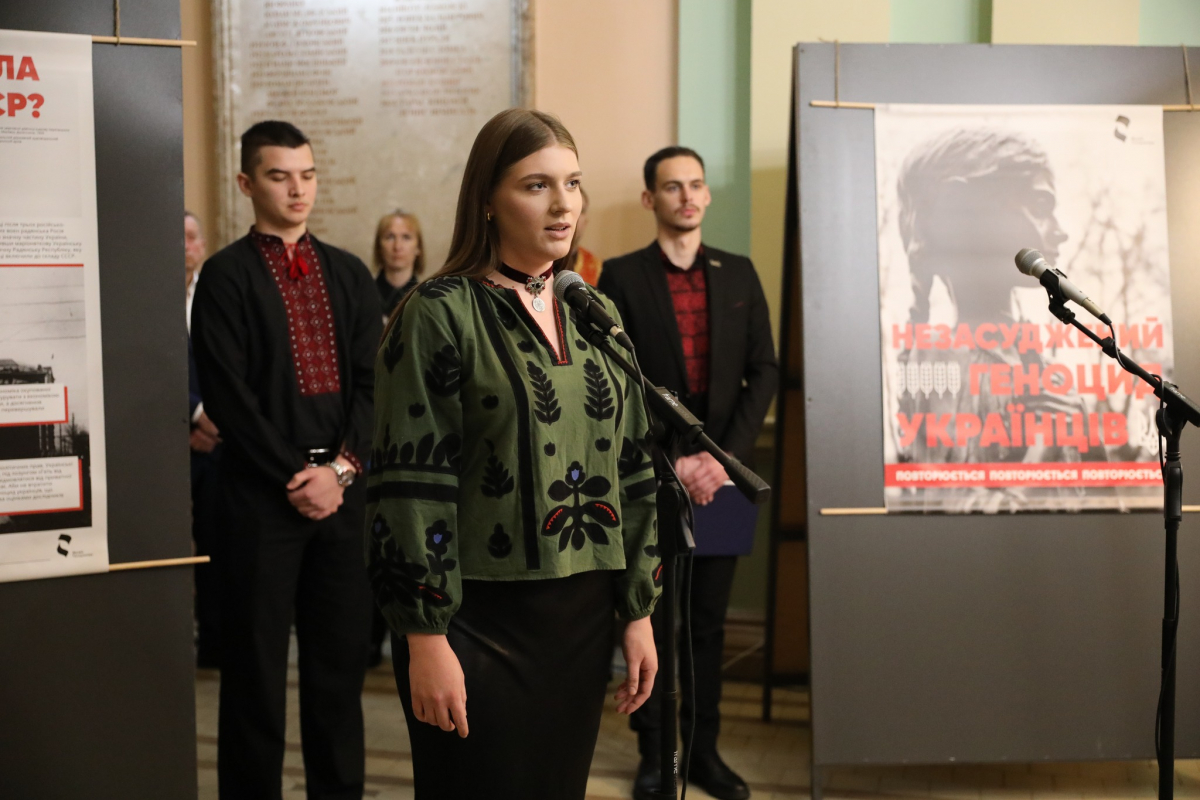
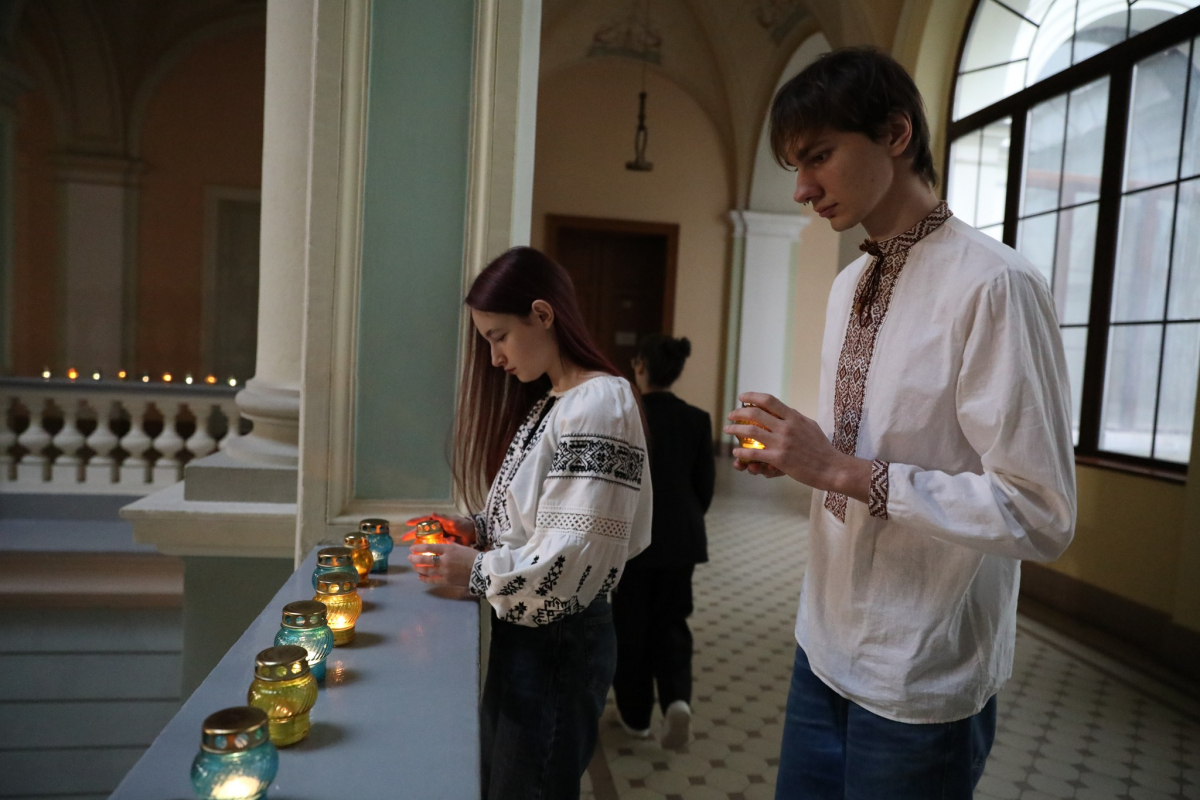
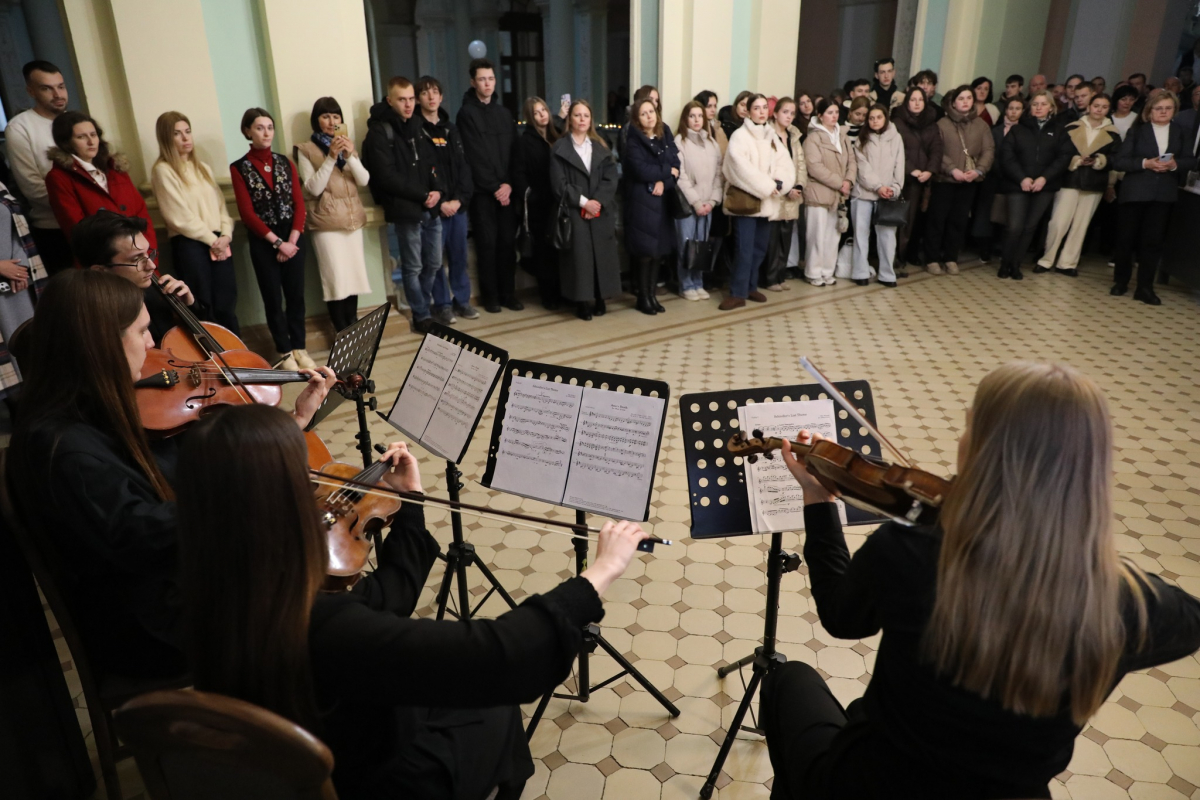
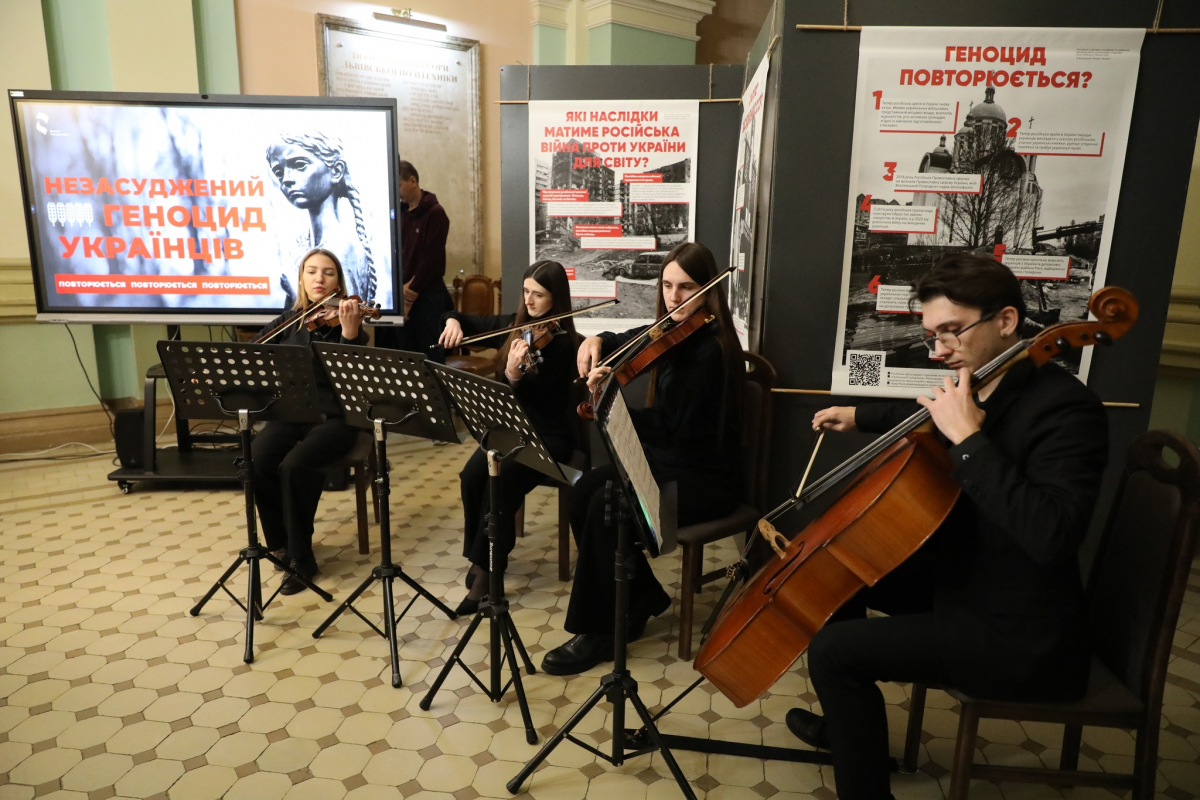
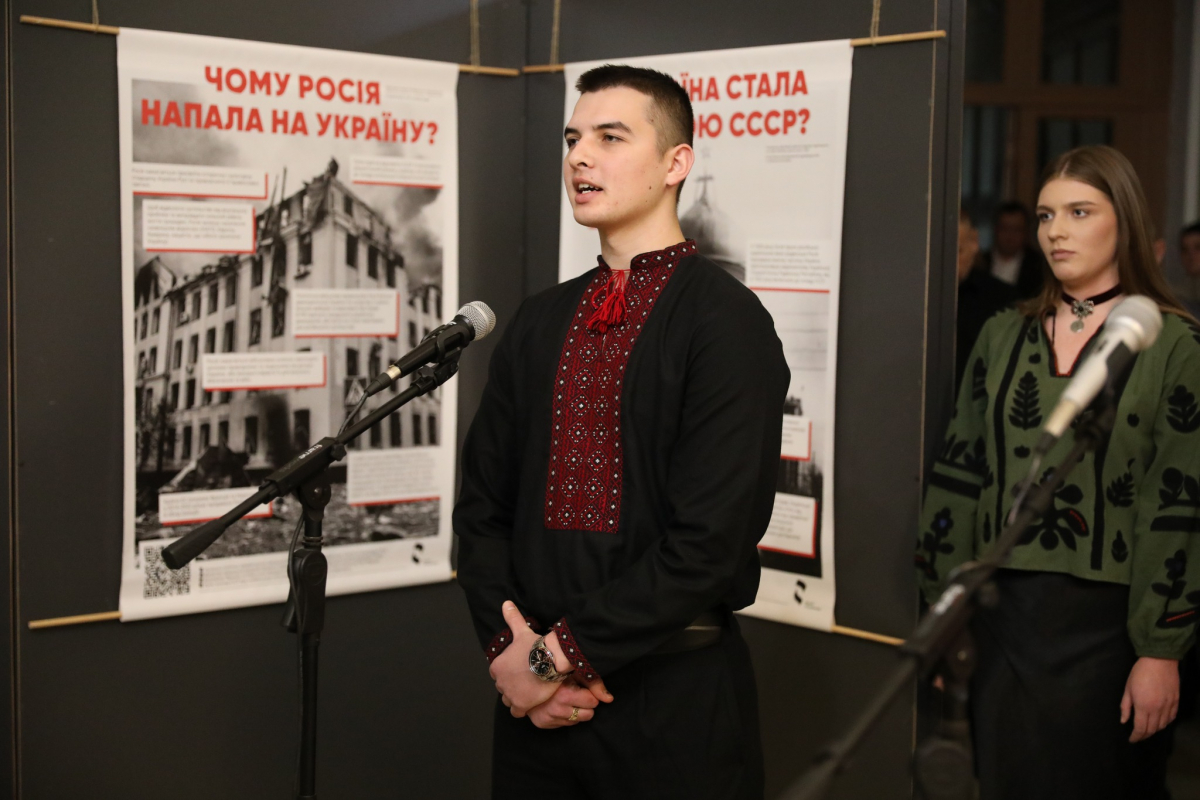
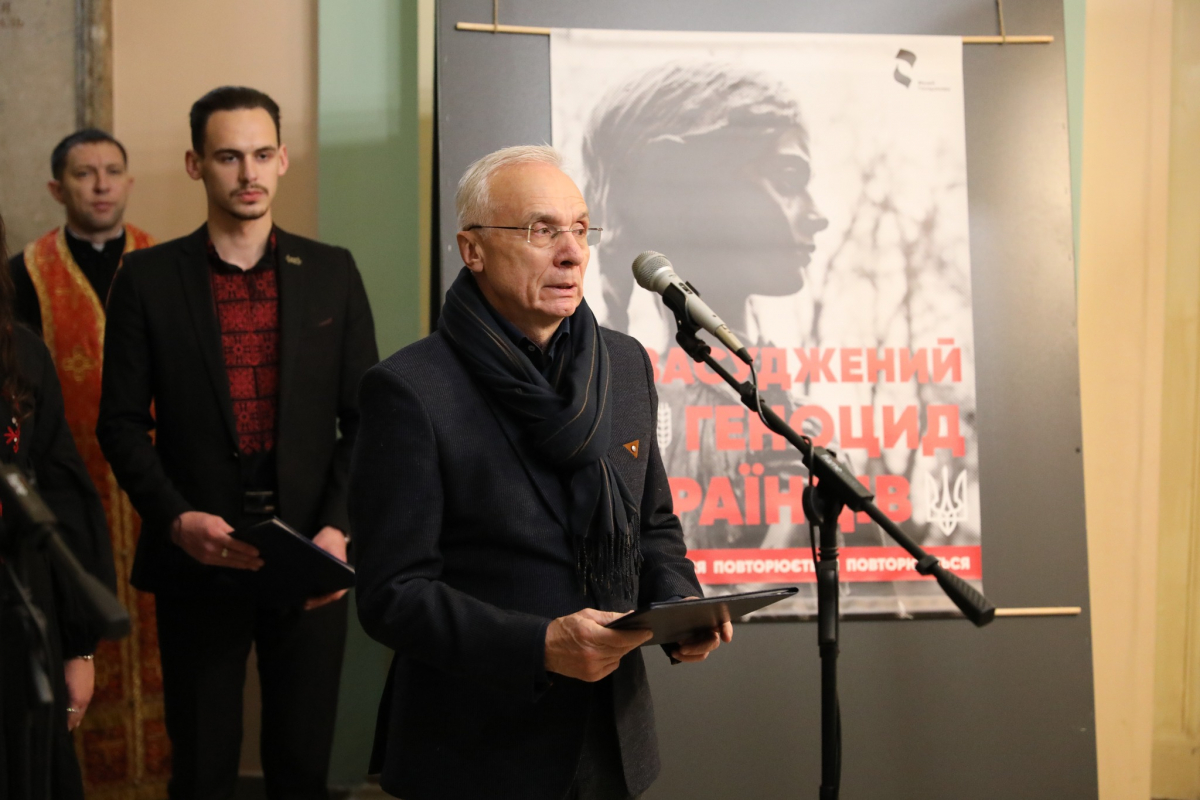
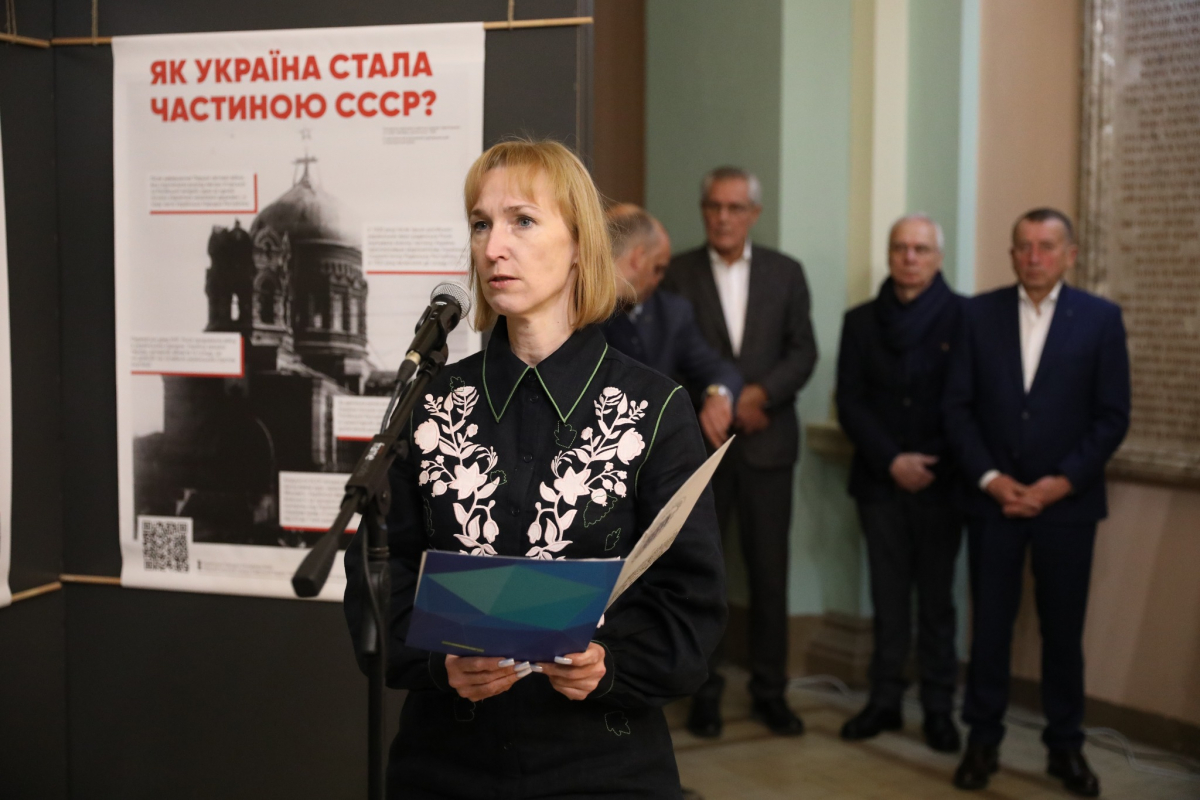
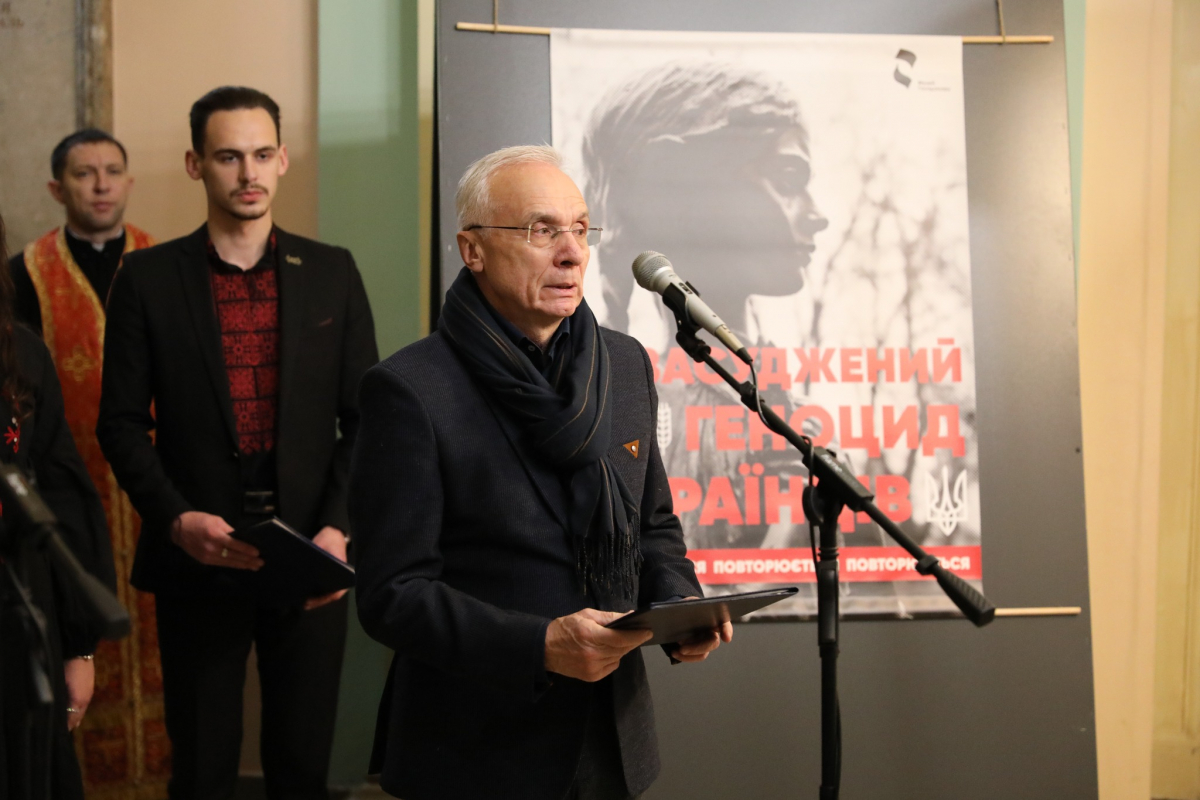
On 21 November 2025, in the main building of Lviv Polytechnic National University as part of the Requiem Hour in honour of the victims of the Holodomor genocide of 1932–1933, a presentation of the exhibition of the National Museum of the Holodomor Genocide, ‘The Uncondemned Genocide of Ukrainians Repeats’ This event was the result of many years of commemorative cooperation between Lviv Polytechnic and the Holodomor Museum.
The rector of Lviv Polytechnic, Professor Nataliia Shakhovska, emphasised that knowledge of history was an essential element of state security. In her opinion, the aggressor still uses the Holodomor topic as a tool for manipulation, and the Russian army continues to use starvation as a means of pressure on civilians and prisoners of war. The Holodomor of 1932–1933, as well as the mass famines of 1921–1923 and 1946–1947, should be seen as part of Russia’s ongoing genocidal policy towards Ukrainians, which continues today in the context of the current Russian-Ukrainian war. It was a deliberate attack on Ukrainian identity and historical memory to impose Soviet policy:
“One of the gravest humanitarian disasters in the world was the Holodomor of 1932–1933. It was an instrument of terror that supported the totalitarian regime, ensured the collectivisation of Ukrainian villages, and established Soviet power in Ukraine. The man-made famine targeted Ukrainians specifically and amounted to genocide against the Ukrainian people,” Nataliia Bohdanivna emphasised.
The rector also recalled that over 30 countries had already recognised the Holodomor as an act of genocide, and the process of international recognition continued. At the same time, modern Russian policy largely replicates the actions taken by the Bolshevik leaders a century ago.
Nataliia Shakhovska noted that the exhibition presented by the National Museum of the Holodomor Genocide was an essential tool for disseminating the truth about crimes against Ukrainians. She believes that the right to justice cannot be transferred to anyone else; every crime committed by the aggressor must be known and punished.
Ivan Khoma, Head of the Department of History, Museology and Cultural Heritage, Doctor of Historical Sciences, described the Holodomor of 1932–1933 as the greatest crime of the Soviet totalitarian regime against humanity and a deliberate act against the Ukrainian nation, which at that time and thereafter continued to resist Moscow’s policies.
Bohdan Levyk, Doctor of Historical Sciences, emphasised that revealing the truth about the crimes of the totalitarian regime made it possible to destroy the myths and propaganda on which the Russian imperial narrative had been built for decades. He stressed that the Holodomor of 1932–1933 had been a deliberately organised genocide aimed at suppressing the Ukrainian peasantry and preventing the restoration of Ukrainian statehood. The terror of famine was accompanied by repression against the intelligentsia, deportations, Russification, the liquidation of church structures, and the creation of an image of the Ukrainian peasant as an ‘enemy of the people.’
The speaker emphasised that the blockade of villages, mass arrests, and travel bans had effectively deprived Ukrainians of any chance for survival. Despite the USSR’s denials, world powers had been aware of the tragedy but did not intervene. Only after gaining independence was Ukraine able to achieve international recognition of the Holodomor as genocide, but this process is still progressing slowly.
Parallels with the current war show that Russia continues its policy of destroying Ukrainian identity. In conclusion, Bohdan Levyk urged the youth to learn their history and to remain strong and self-respecting in the fight for Ukrainian statehood.
Ihor Khomichak, University chaplain Father, emphasised that society must educate the younger generation to ensure such tragedies never happen again, and that memories of the past should serve as the foundation for a responsible future for Ukraine:
“Our duty is to raise a generation that will not allow such tragedies to happen again and will not do the same to others. Today, let us remember: let us not forget our history. For if you do not know your history, it is difficult to think about the future. Let us remember those who suffered then and those who defend our dignity today, our right to call ourselves Ukrainians and live on our land.”
The exhibition is on display in the main building of the university until 28 November.
Source: Lviv Polytechnic website.