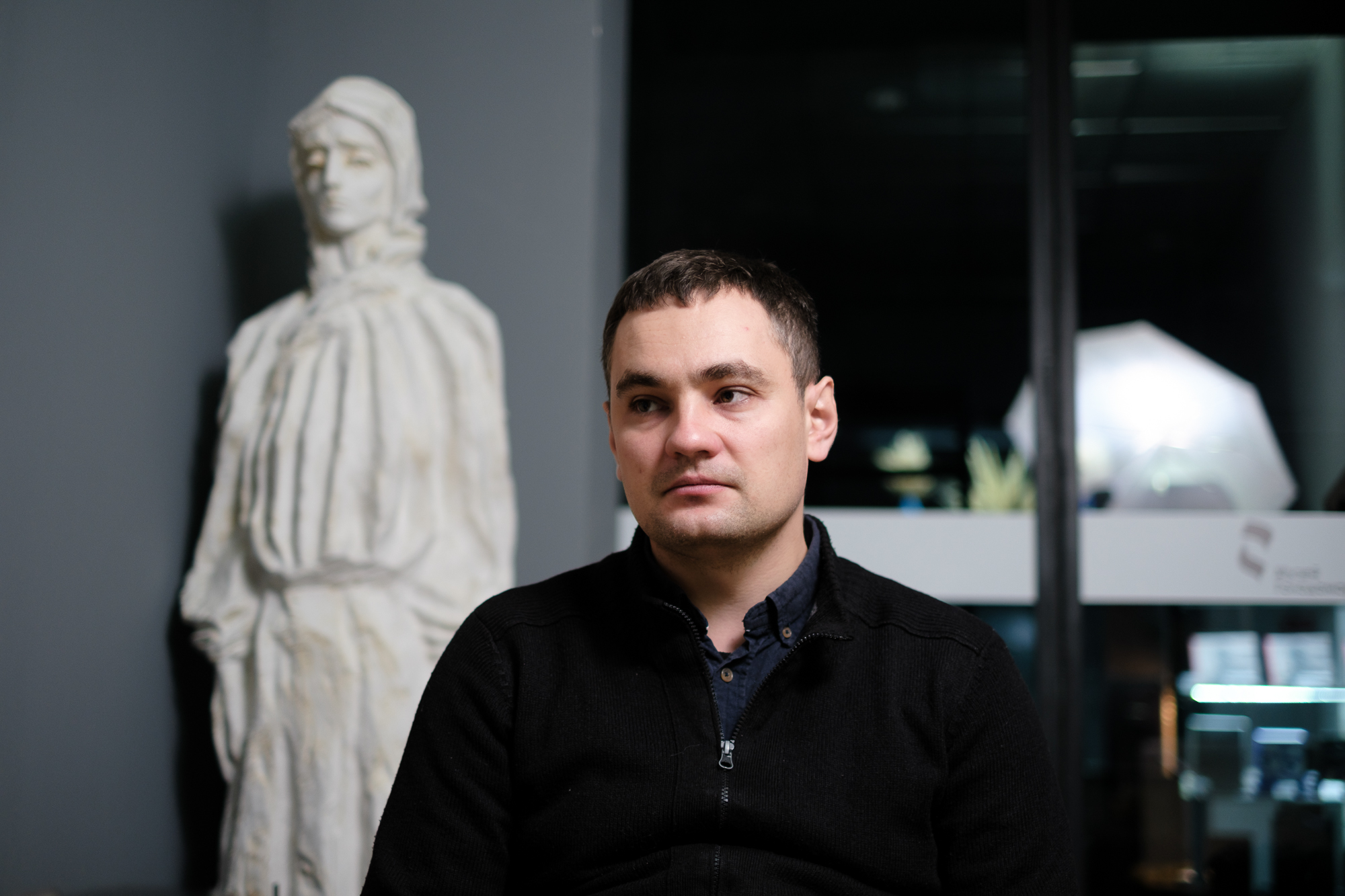
The whole truth about the Holodomor: Mykhailo Kostiv on the crimes of Stalin’s regime
Three famines in half a century: how did the Soviet authorities exterminate Ukrainians? “The War for the Harvest”. Who is primarily responsible for the Holodomor of 1932–1933? Which regions suffered most from the Holodomor, and how did Ukrainians manage to survive? Death camps and extinct villages: how many victims of the Holodomor were there really? Playing with evil. Why did the world turn a blind eye to the crimes of the USSR? Portrait of a nation after tragedy. How did the Holodomor change Ukrainians? These questions are addressed in an extensive interview by RBC-Ukraine with Mykhailo Kostiv, head of the Department for Research on Genocide, Crimes Against Humanity and War Crimes at the National Museum of the Holodomor Genocide, Doctor of Philosophy in History.
– In the 20th century, Ukrainians experienced three terrible famines in 1921–1923, 1932–1933 and 1946–1947. What are the differences between those tragedies?
– In 1921–1923 and 1946–1947, there was a mass man-made famine, and in 1932–1933, there was the Holodomor genocide. The common feature of these three famines is the authorities’ guilt. If they had not confiscated food from the population, there would not have been such terrible mortality.
If we consider the differences, then in 1921–1923 and 1946–1947, the period of post-war devastation served as a specific ‘justification’ for the Soviet regime. The climatic factor was not the key issue, as droughts were cyclical. Before the Bolshevik era, peasants had prepared for these conditions by creating reserves.
The specificity of the famine of 1921–1923 was that the Soviet regime partially acknowledged the famine. Even at that time, there were quite significant campaigns to collect aid for the starving; they were more focused on the Volga region, though, despite the fact that the scale of the famine, particularly in southern Ukraine, was similar.
In addition, during the famine of 1921–1923, the Bolsheviks allowed international food aid for the starving. Several organisations provided such assistance. However, in 1932–1933, the USSR denied the fact of famine, making foreign aid impossible. The same situation occurred in 1946–1947.
See the full text of the interview on the publication’s website.