Thanks to the support of HeMo: Ukrainian Heritage Monitoring Lab, 420 of the most valuable museum items digitised
Our months-long collaboration with HeMo: Ukrainian Heritage Monitoring Lab, which began in October 2025, intending to digitise 420 of the most valuable museum items from various storage groups, has come to an end.
Thanks to the support of ‘HeMo: Ukrainian Heritage Monitoring Lab’ and the professional equipment they provided, we successfully achieved all our goals in a relatively short period of time. Behind us were months of painstaking work on digitising items from the main collection. The digitised documents include original letters from eyewitnesses of the Holodomor, collective farmers’ employment records, passports, photographs from the first half of the 20th century, and other materials.
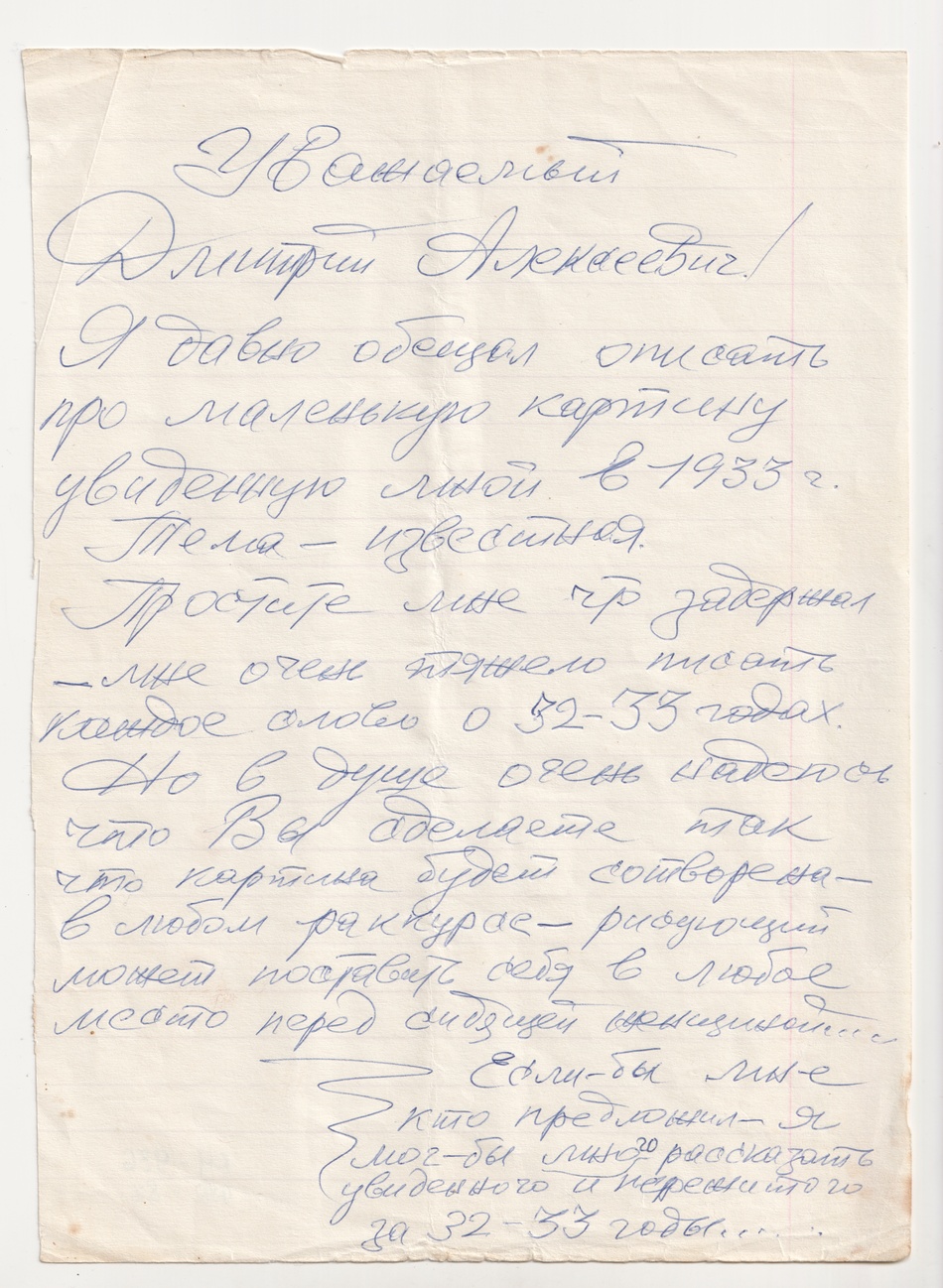
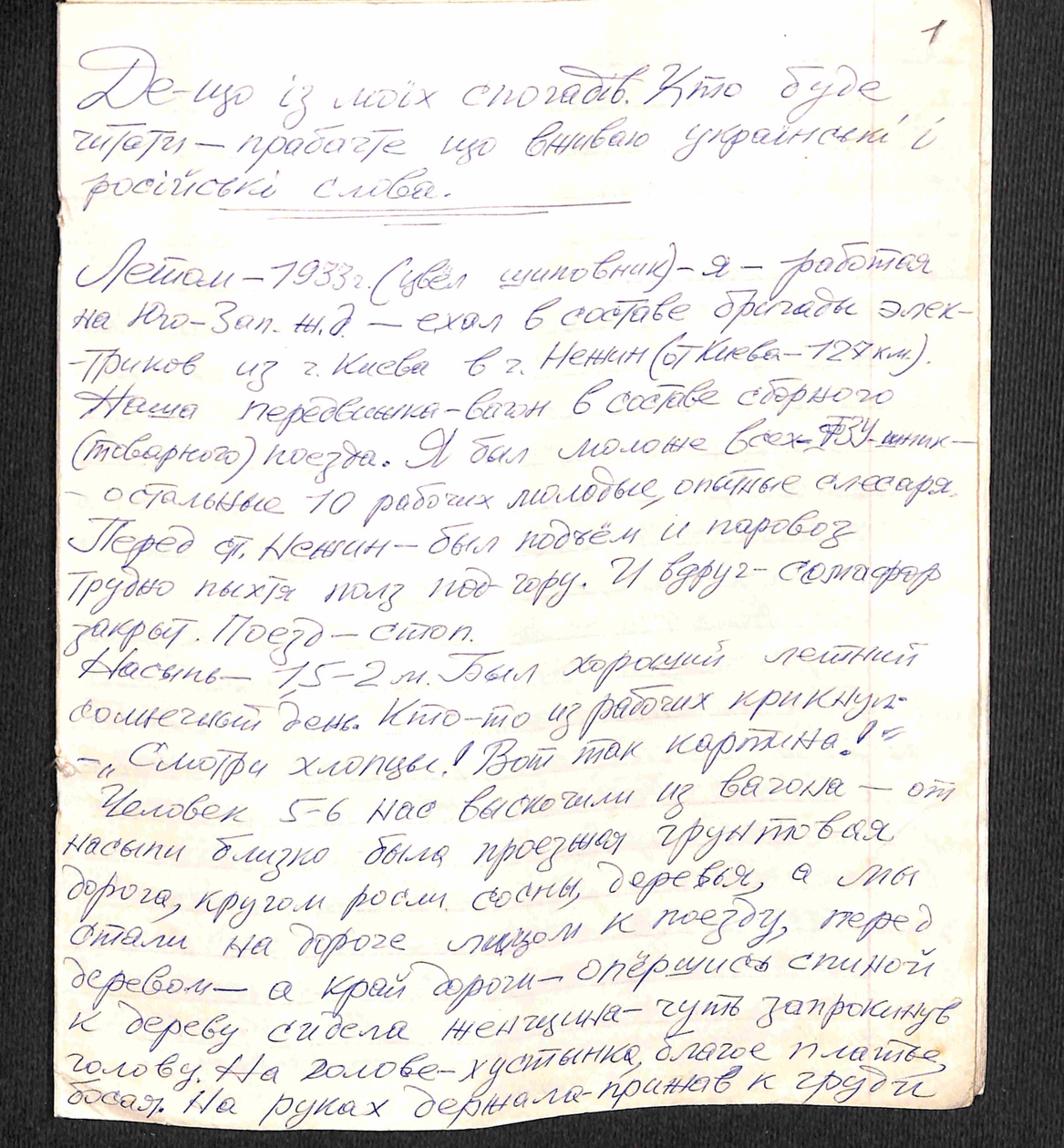
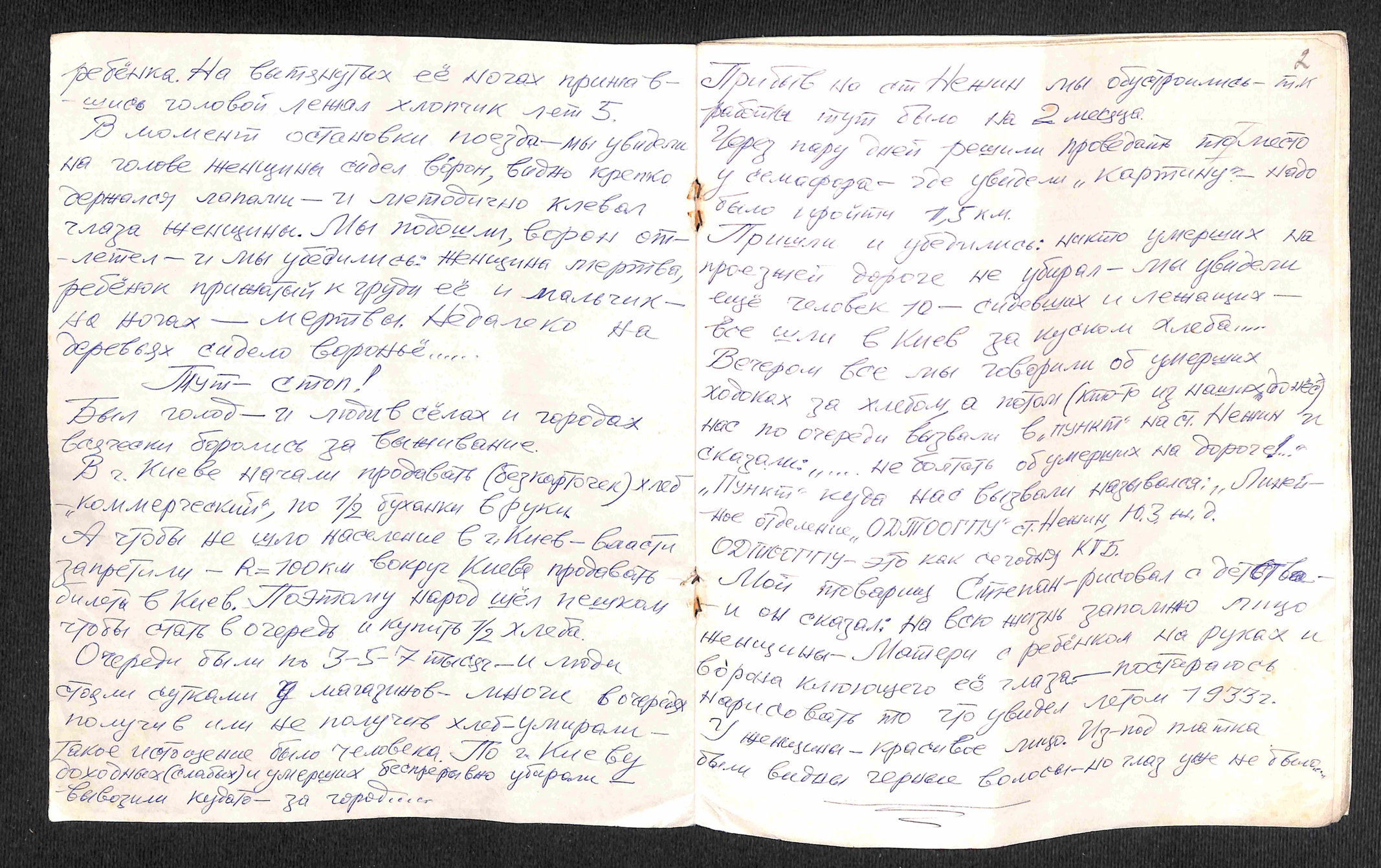
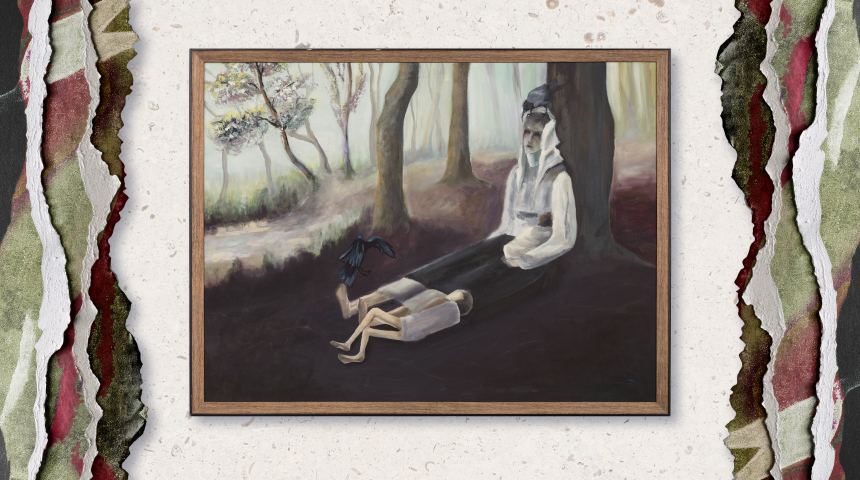
A letter from Ivan Tabachenko to Dmytro Boiko, dated 1988, has been processed. Ivan Tabachenko described in detail various past events, especially the mass mortality during the Holodomor. Once, while travelling by train from Kyiv to Nizhyn, he saw something that struck him deeply, but he could not talk about it… (see the digitised copy of the letter attached to the post for more details). Dmytro Boiko had long dreamed of visualising what he had read. In 2017, he met artist Anna Orion, who agreed to recreate the horrific memories in paint. This is how the painting ‘The Holodomor of 1932–1933’ was created. Today, the canvas and the original letter have been donated to our museum.
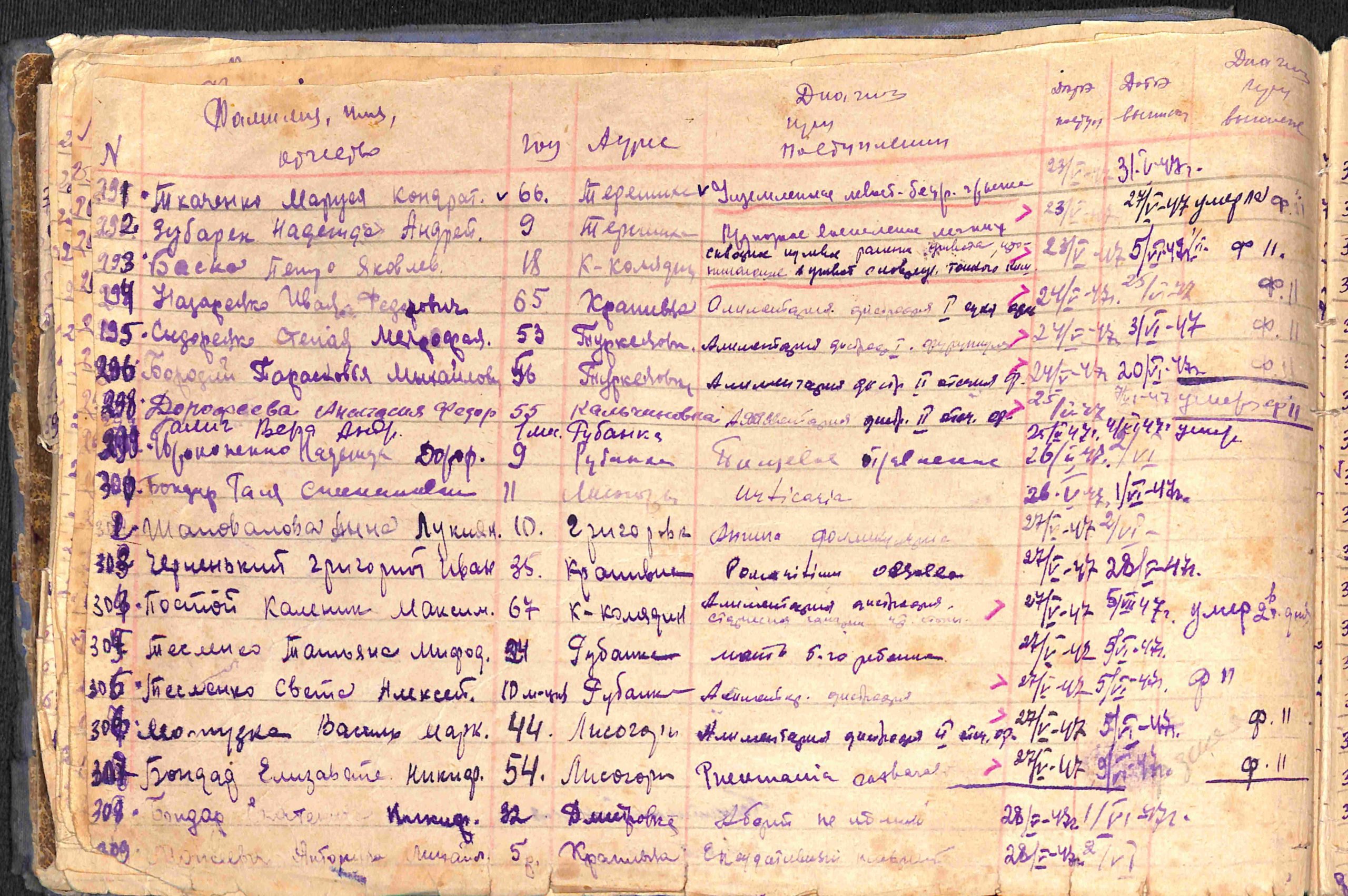
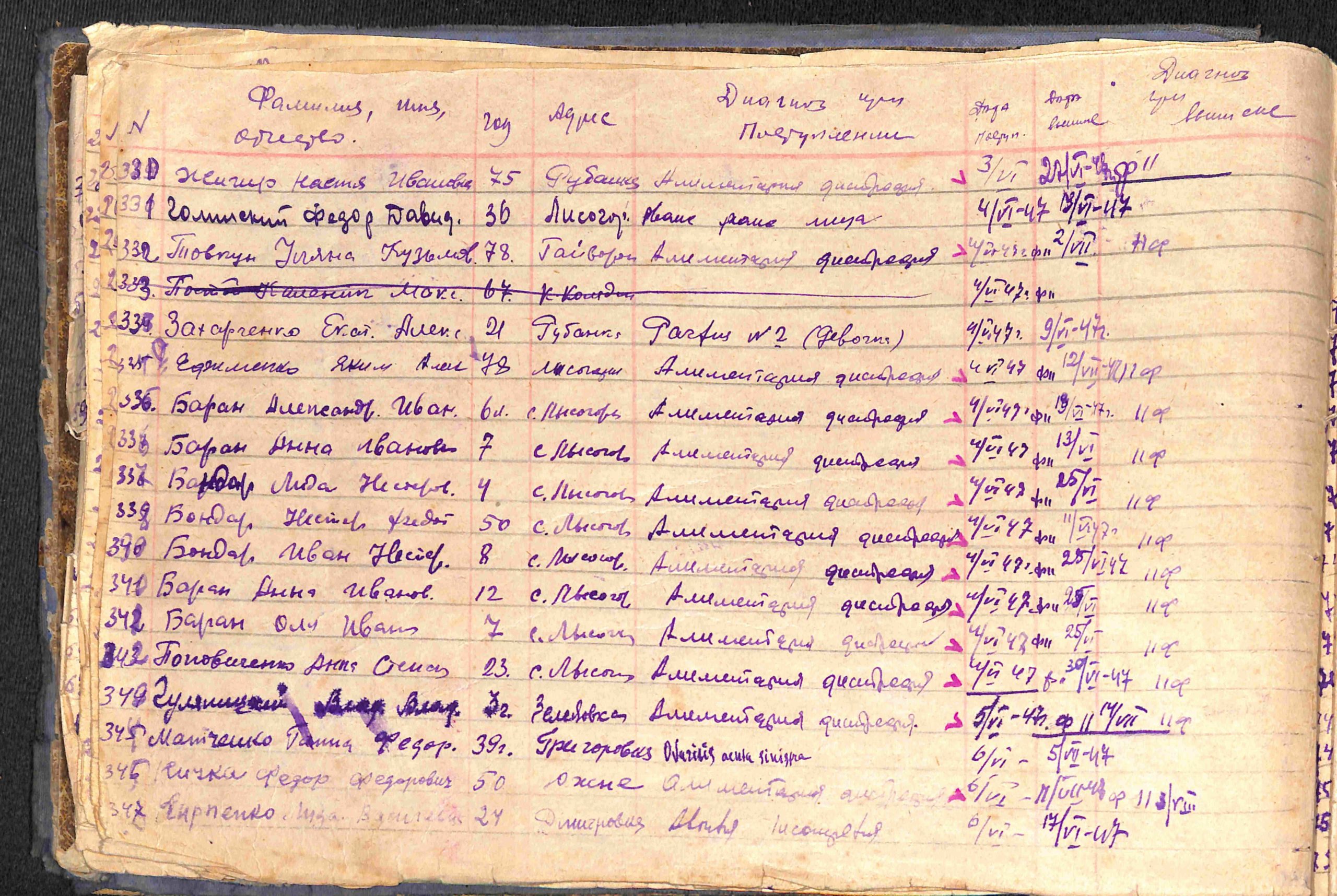
The 1947 patient admission log of the Ruban District Hospital in the Bakhmach Raion of the Chernihiv region has been digitised. On December 21, 2019, Oleh Kalyniak, a doctor at the Ruban General Practice Family Medicine Clinic, donated unique and historically significant medical documents to the Holodomor Museum. The find, which he discovered in the archives of the Ruban clinic, is an inpatient medical journal for 1947. It contains data on the high mortality rate from mass man-made famine in the villages of the Bakhmach district. It was forbidden to indicate the cause of death as ‘starvation,’ so Dr Pavlo Leontiiovych Hnylytskyi indicated his special mark under the discharge form – ‘11-Ф’ or ‘Ф-11’, meaning ‘death from starvation’ (in the illustrations accompanying the article, you can see several pages from the digitised logbook). The critical number of such markings occurred between March and August 1947, the peak of the mass man-made famine. Such documents are direct evidence of crimes committed by the totalitarian regime.
We express our gratitude to HeMo: the Ukrainian Heritage Monitoring Lab, for their support of the Holodomor Museum. We hope that in future we will have other joint projects aimed at preserving our historical and cultural heritage, as well as making the museum’s collection more accessible. The digitisation of our collections is particularly relevant in the context of war. Creating backup copies and open data will ensure quick search and access to materials. In the future, we plan to develop electronic catalogues and digital exhibitions.
The HeMo team is digitising museum collections as part of the Ukraine, Kyiv Digitisation Centre and Ukraine, Lviv Digitisation Centre projects, with the support of Cultural Emergency Response and the Smithsonian Cultural Rescue Initiative.