International Symposium: ‘The Most Documented War: A Polyphony of Narratives’
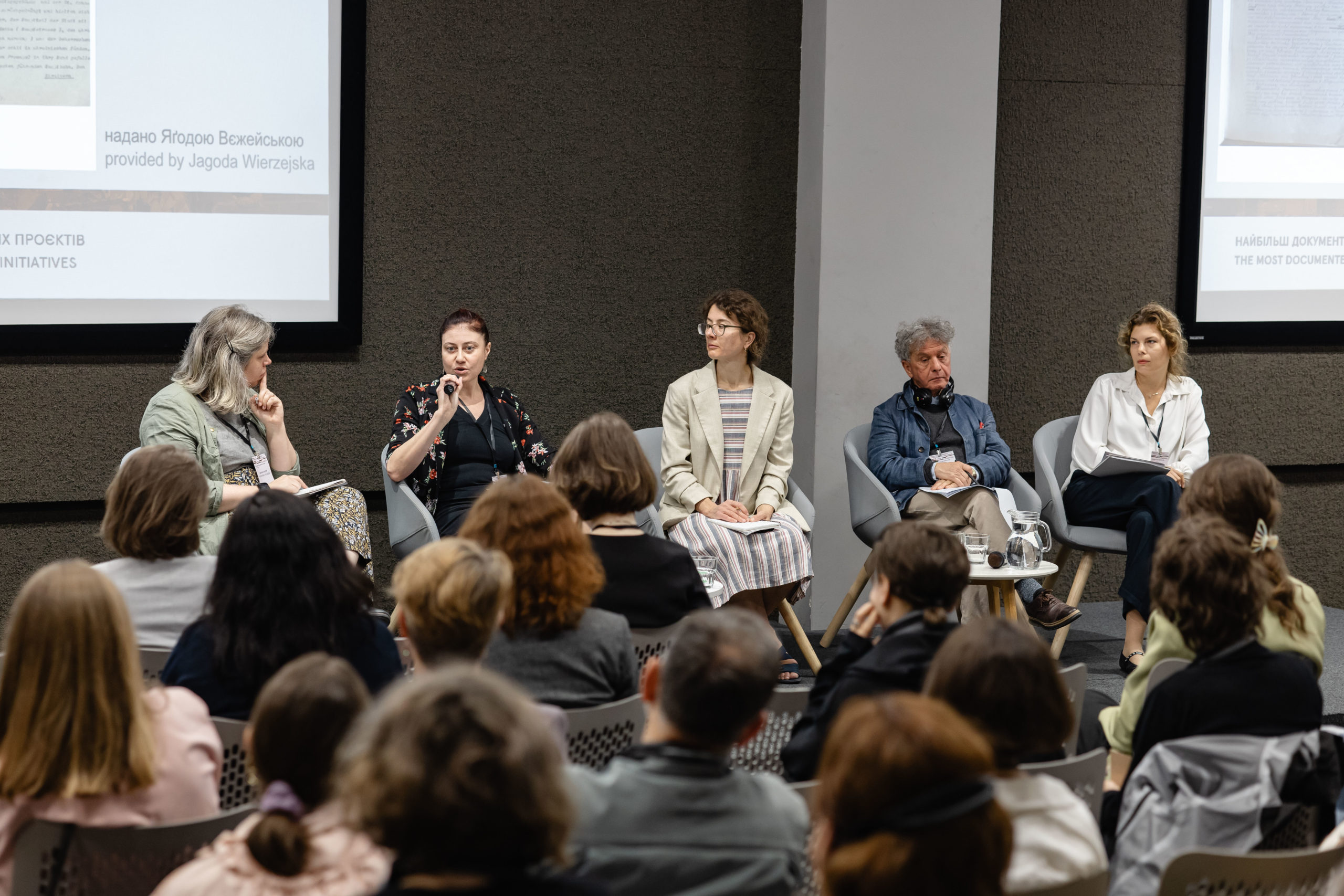
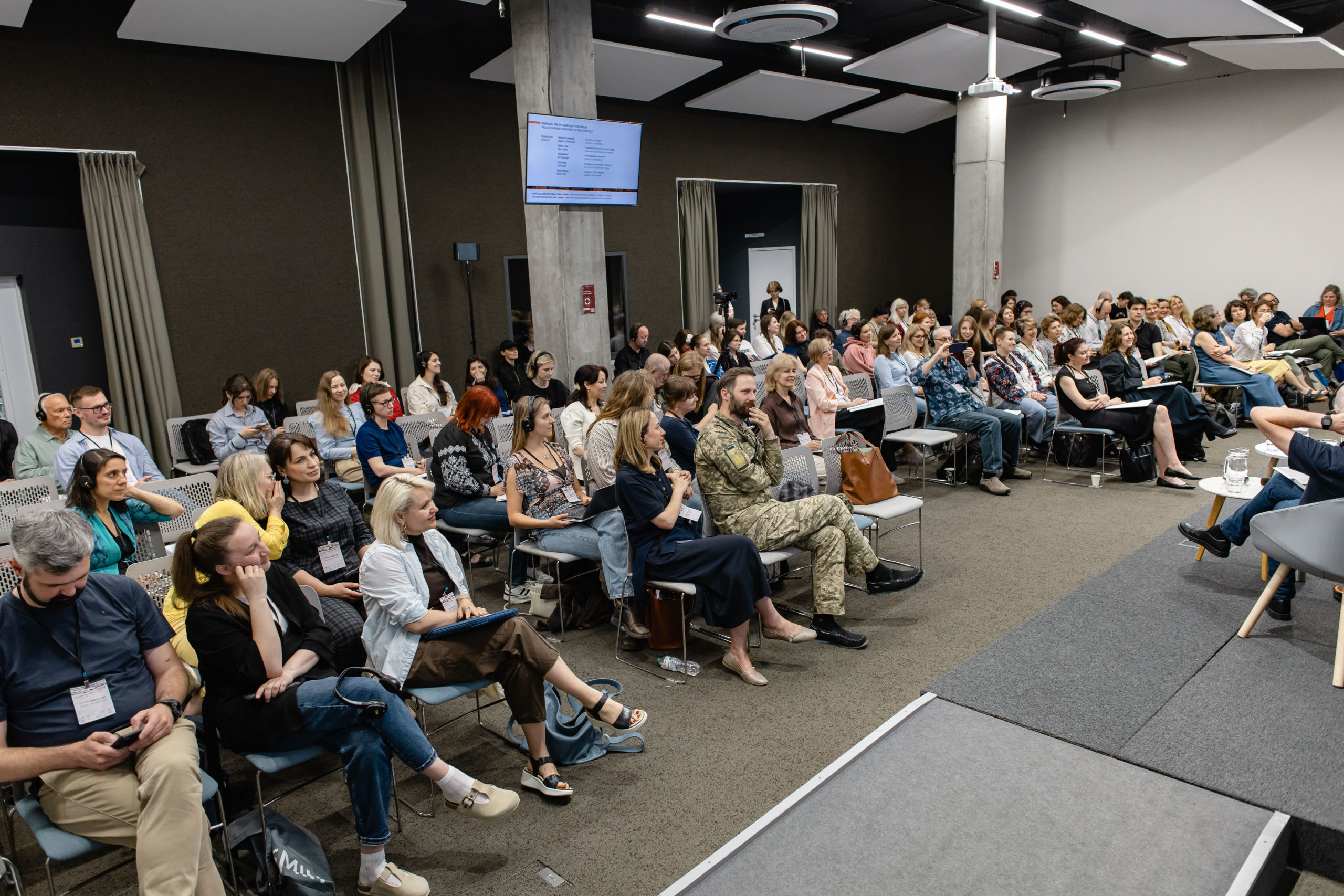
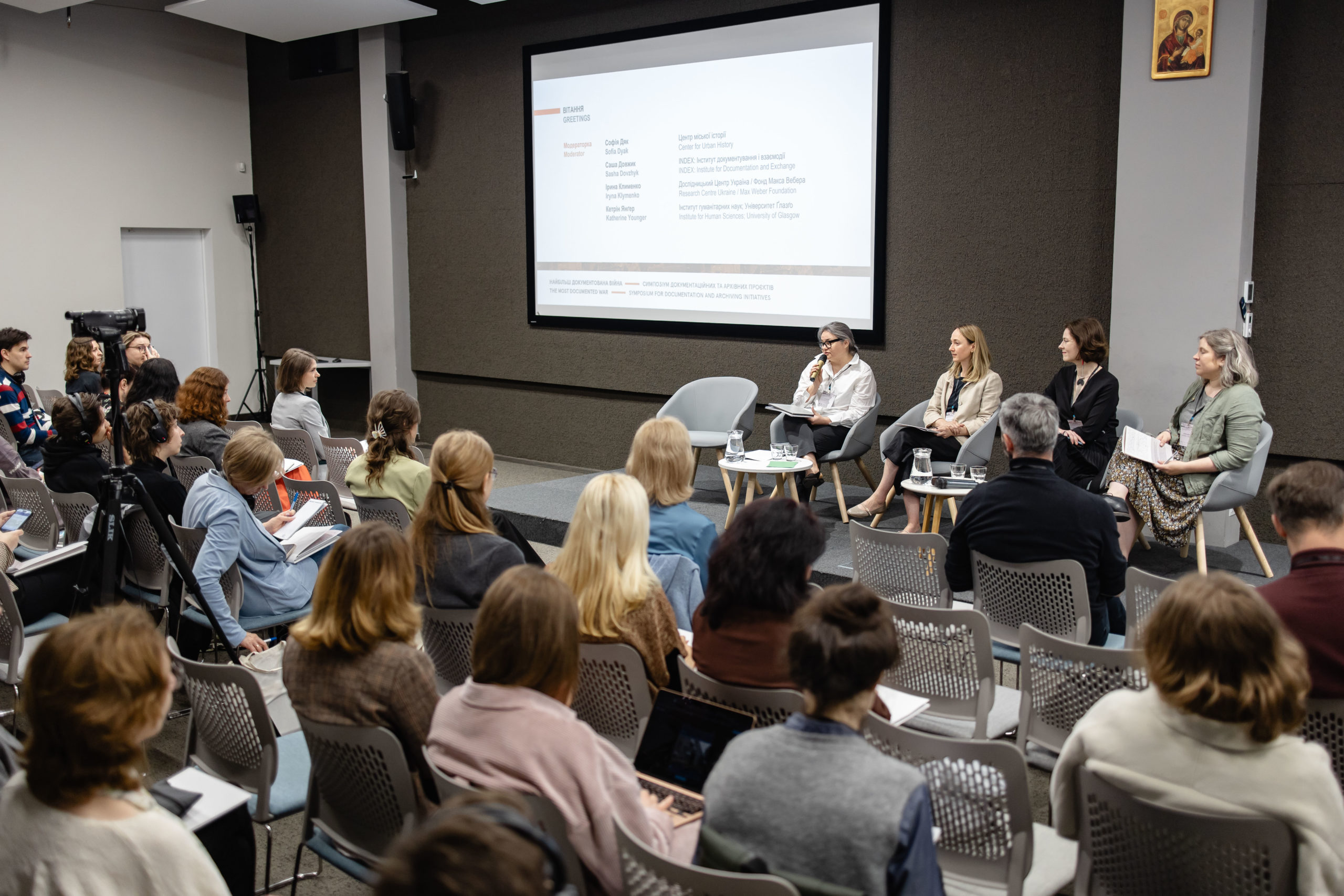
From 4 to 6 June 2026, the 9th International Annual Symposium on Documentation and Archival Projects, ‘The Most Documented War: A Polyphony of Narratives’, took place in Lviv. It was co-organised by the Centre for Urban History (Lviv), the Institute for the Human Sciences (Vienna), the Max Weber Foundation’s Ukraine Research Centre (Bonn), and INDEX: Institute for Documentation and Exchange (Lviv).
This major event brought together around 150 participants from Ukraine, France, the United Kingdom, Germany, Scotland, Poland, Belgium, Switzerland, and Italy.
The symposium programme was structured around current issues concerning the present-day challenges: justice (documenting human rights violations and war crimes); approaches to informing the public about the course of the war; memory (archiving, commemoration); and others. A recurring theme was the analysis of traumatic experiences during periods of historical crisis and the challenges of coming to terms with them. People’s attitudes towards past events are subjective; therefore, both academic research and personal reflections (private accounts, diaries, artistic and literary works) are important.
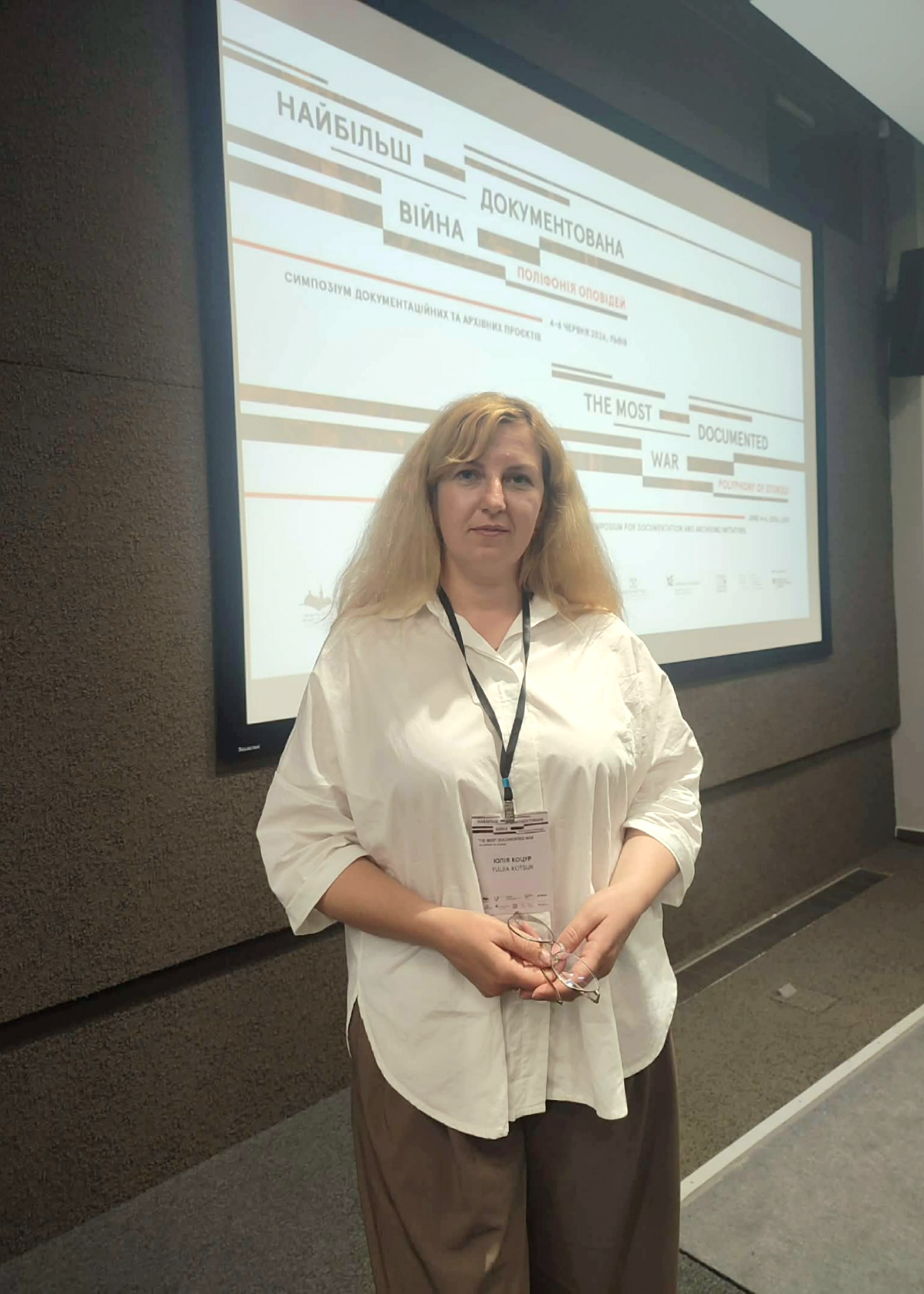
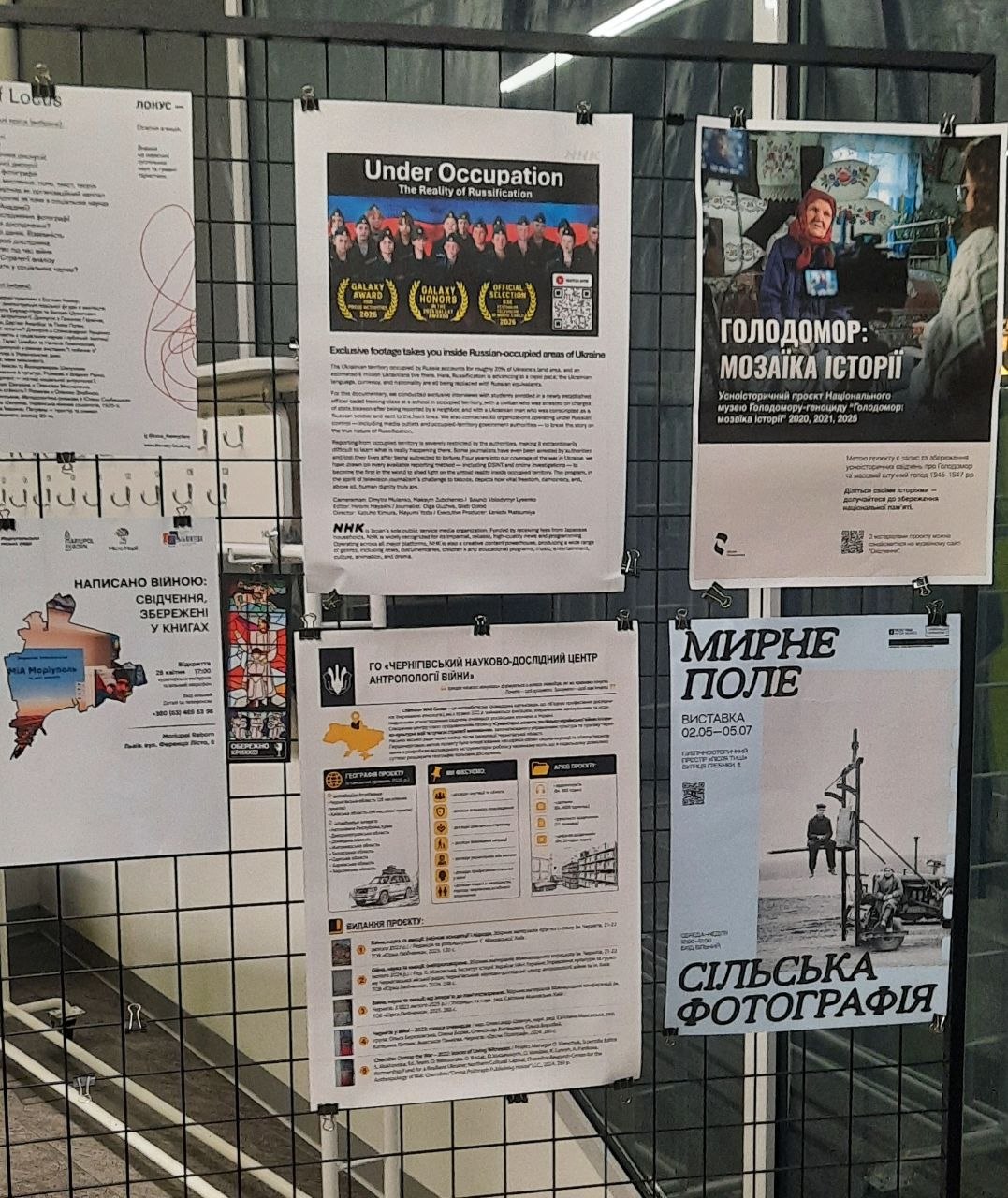
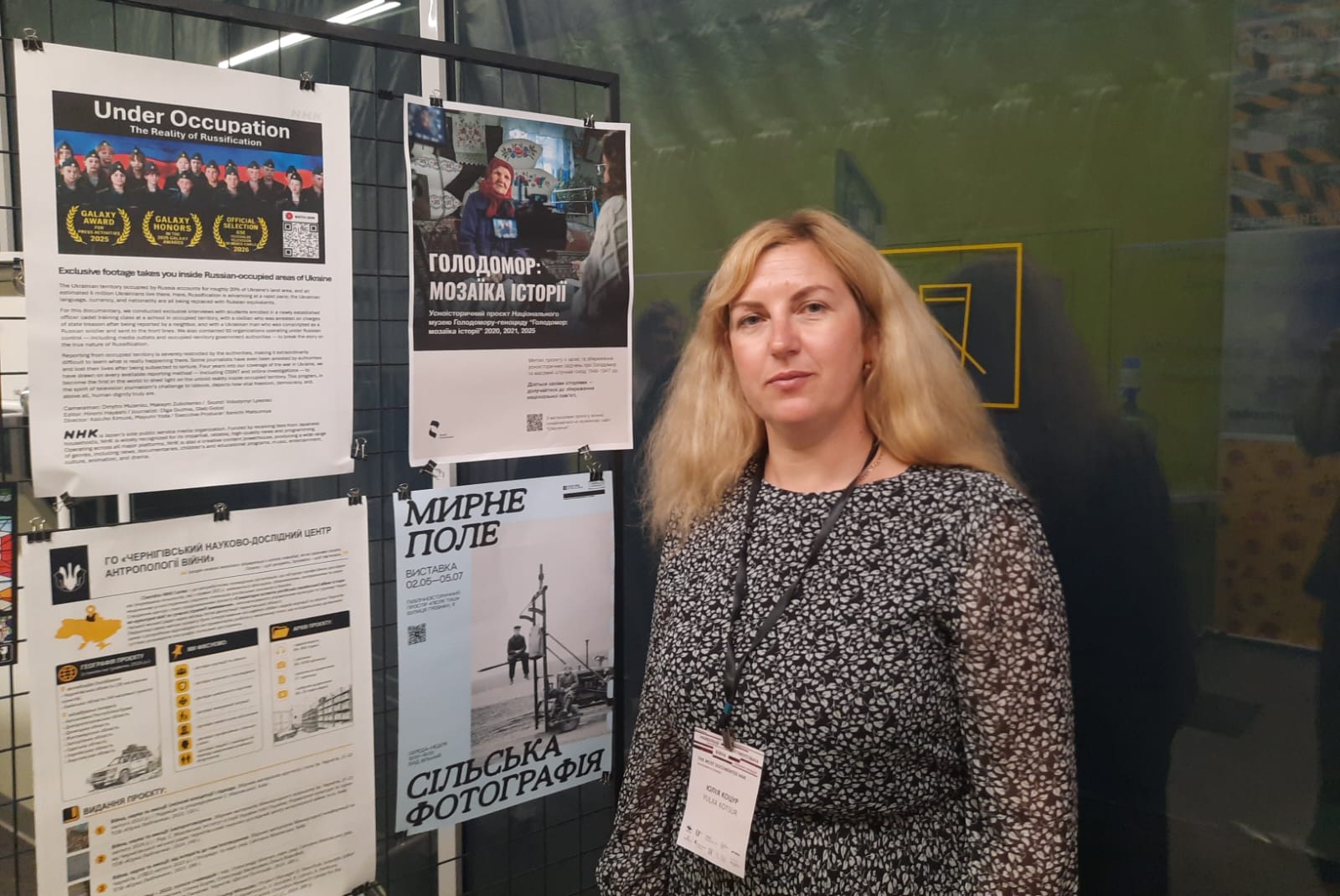
The Holodomor Museum is conducting projects to record the eyewitness testimonies to the Holodomor and the mass man-made famine of 1946–1947, and has therefore also joined the initiative. Yuliia Kotsur, PhD in History and Head of the Holodomor Oral History Department, presented the museum’s work and spoke about expeditions across Ukraine, interviewing witnesses and local historians, and working with trauma.
As part of the symposium, training sessions were held to share practical experience of implementing initiatives, highlight the challenges of digitalisation, and discuss ethics relating to sensitive topics. Particularly relevant is the approach to vulnerable testimonies, where the conversation must be preceded by a carefully prepared plan of questions and response scenarios. Participants reflected together on the symphony of different voices, dissonance and cacophony, the tone and timbre of narratives, but also on the unspoken, the unvoiced, the silenced, that which needs to be documented. Ultimately, anyone who wanted received practical advice on funding options, including searching for grant opportunities and potential donors, legal aspects, and psychological guidance on managing the emotional states of both interviewers and respondents.