The first meeting of the newly formed Supervisory Board of the Holodomor Museum took place
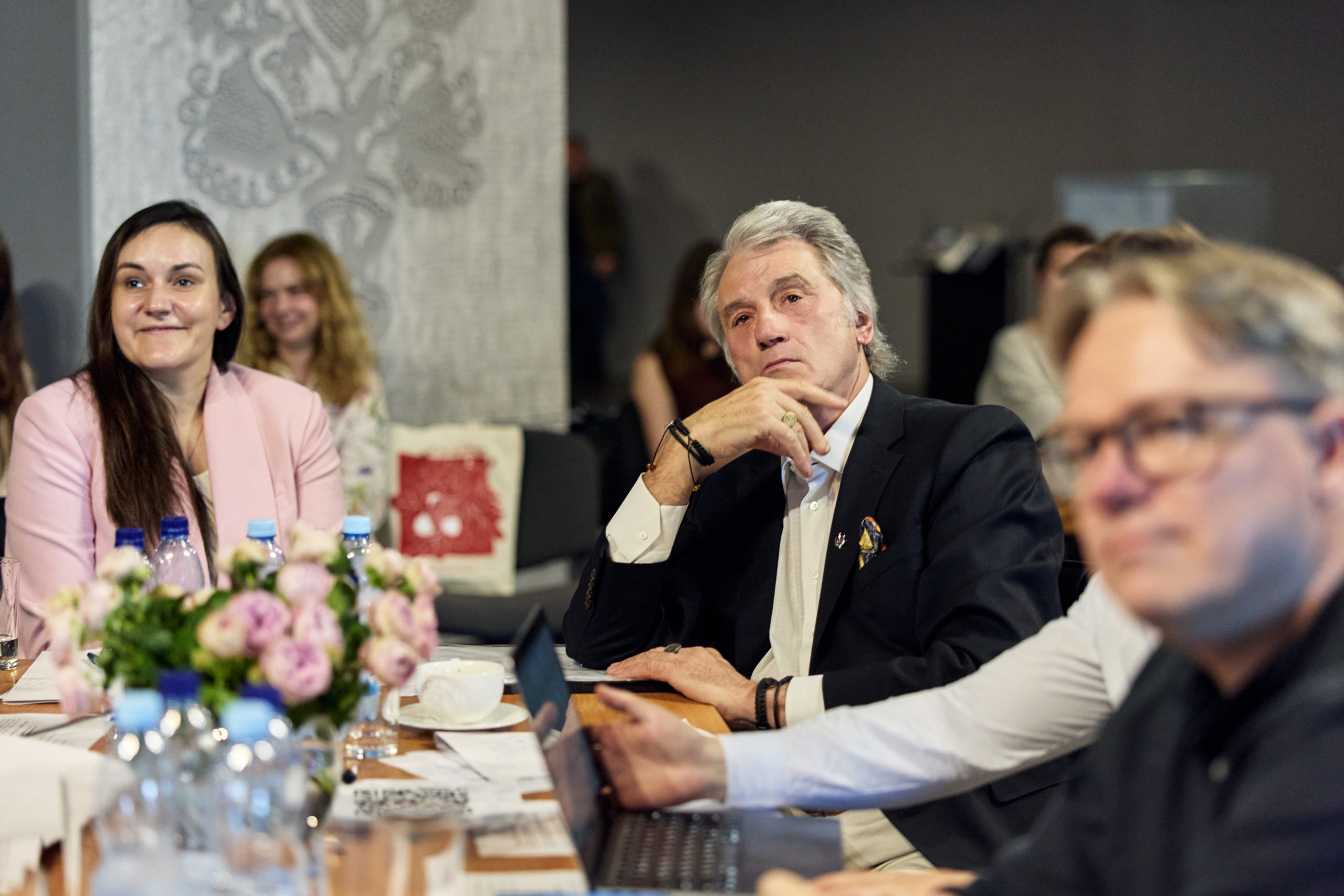
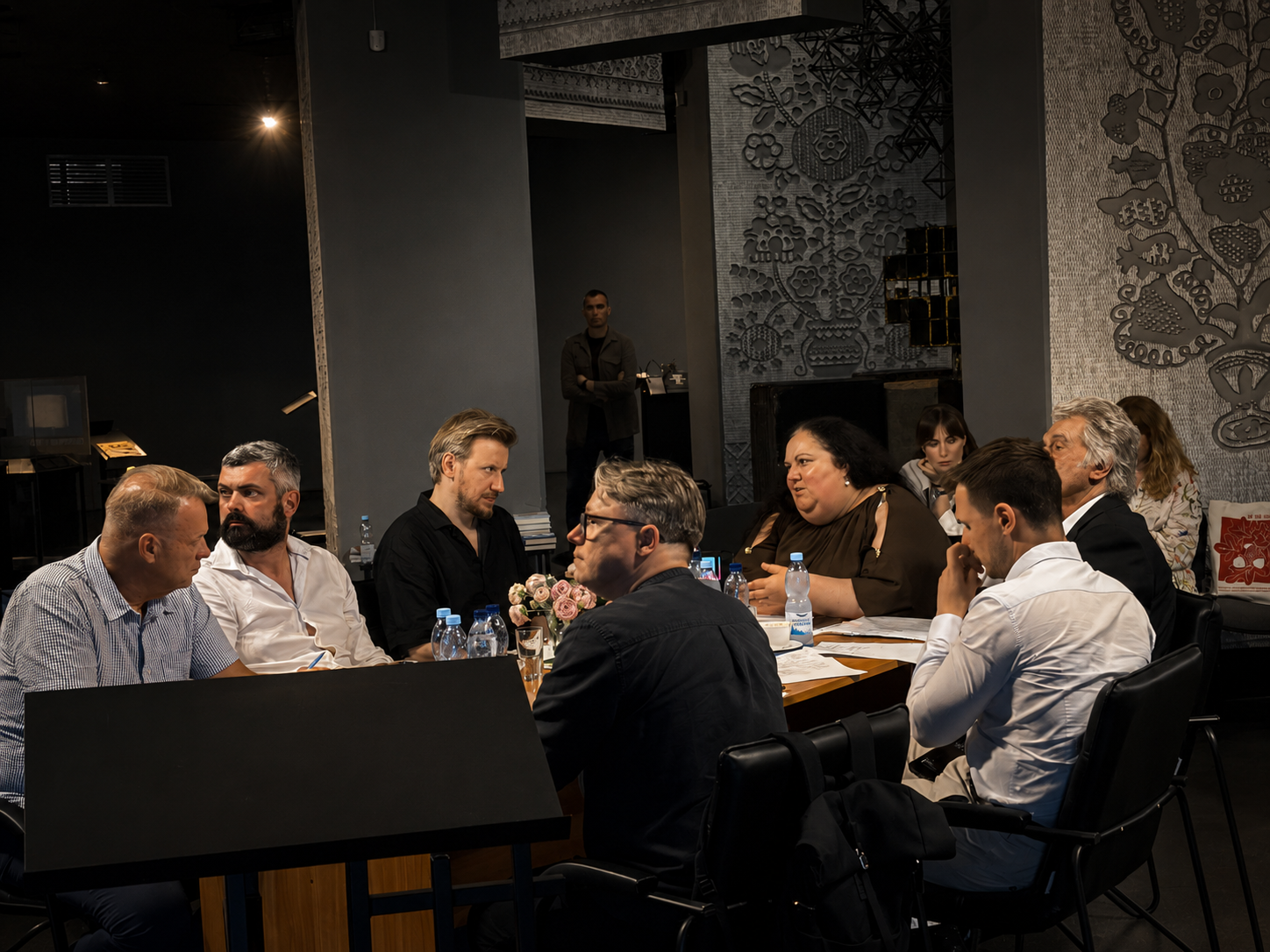
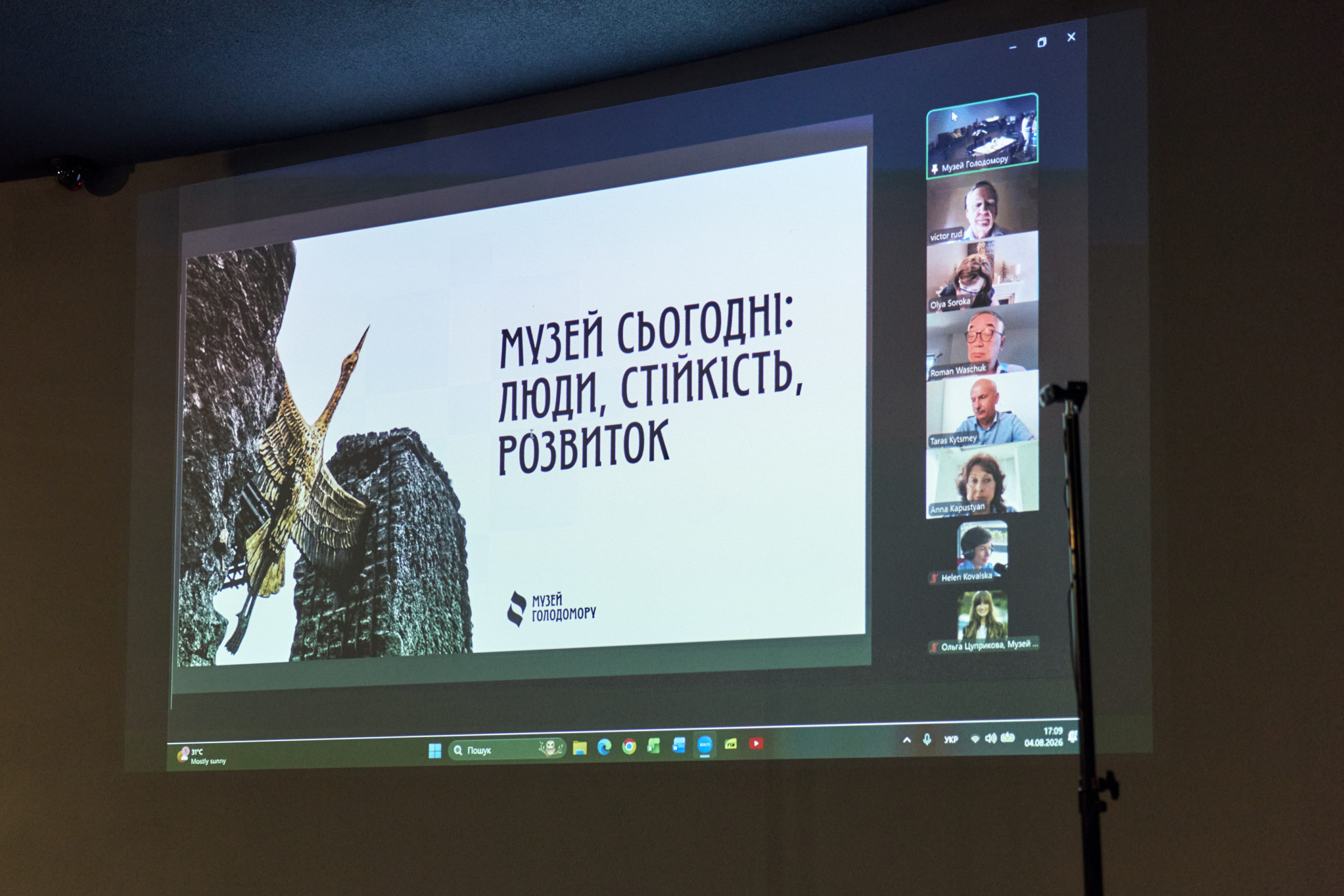
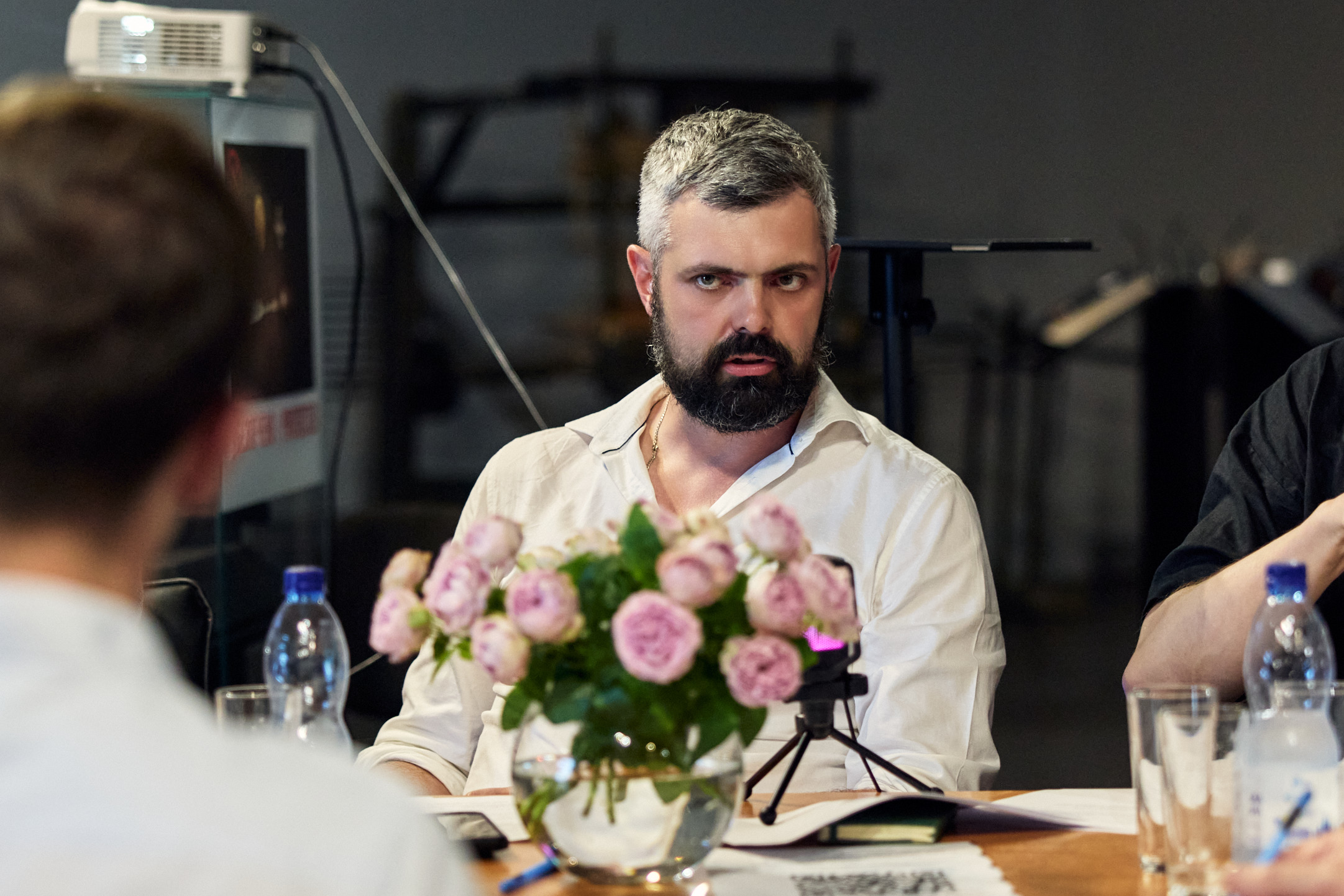
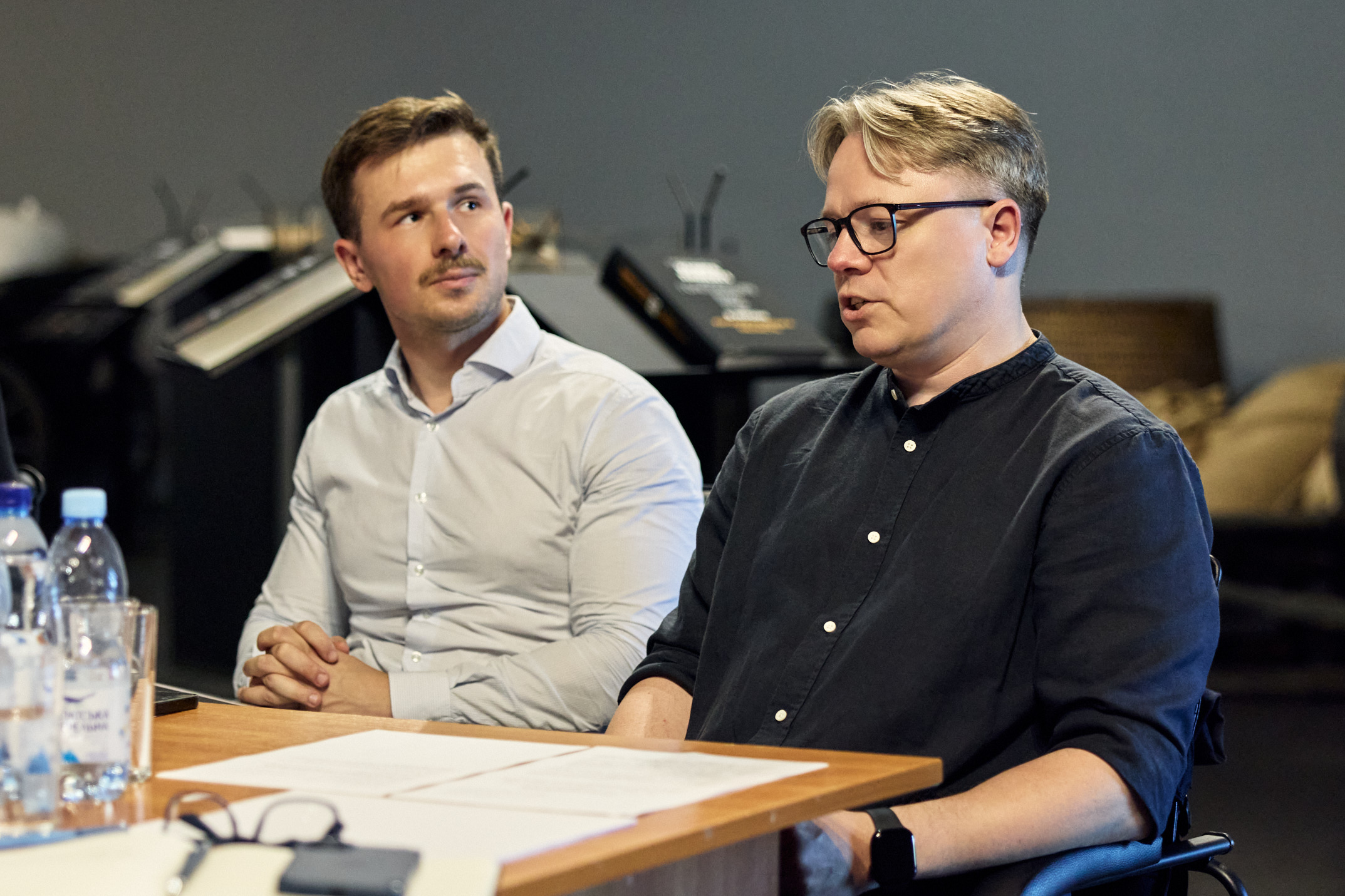
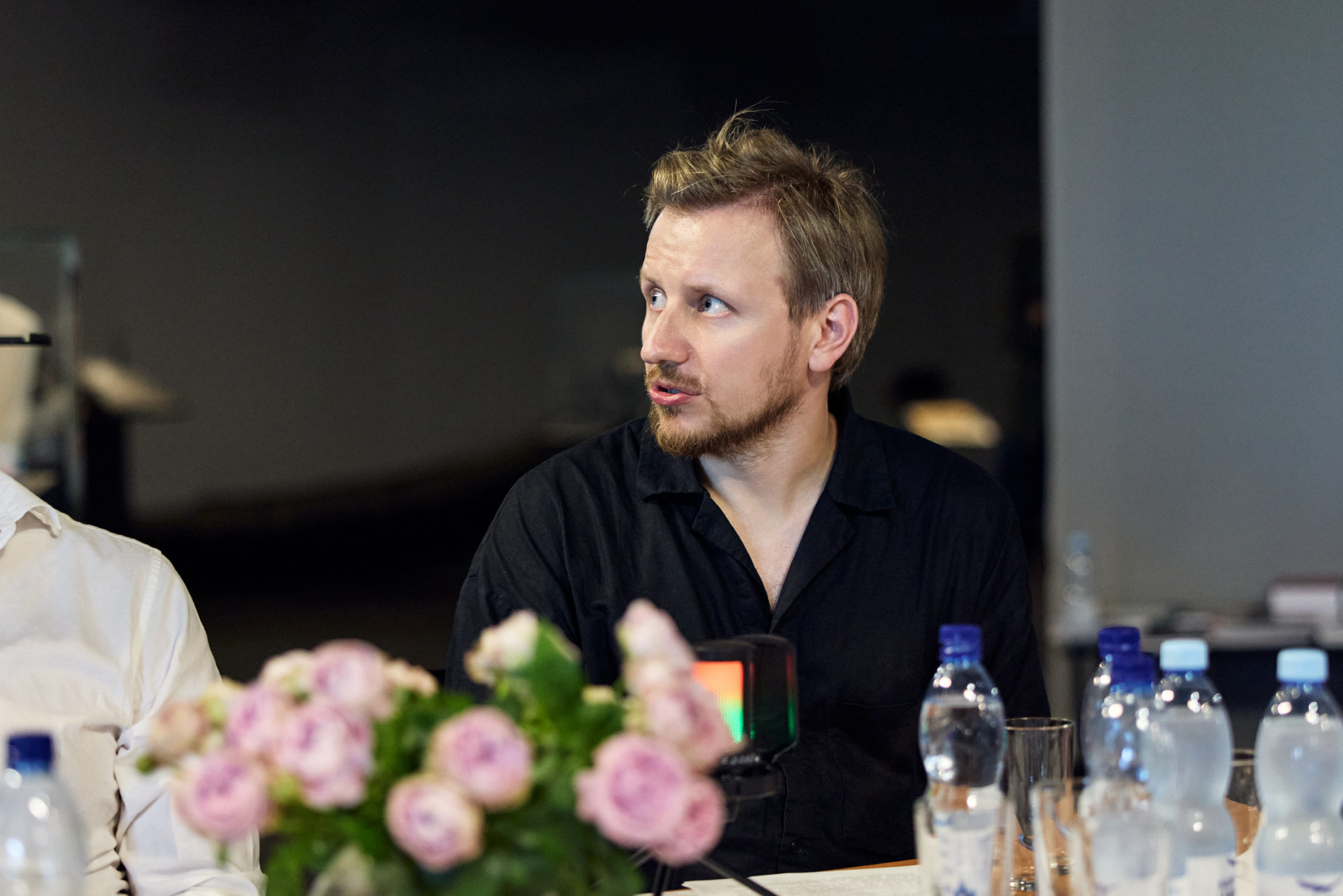
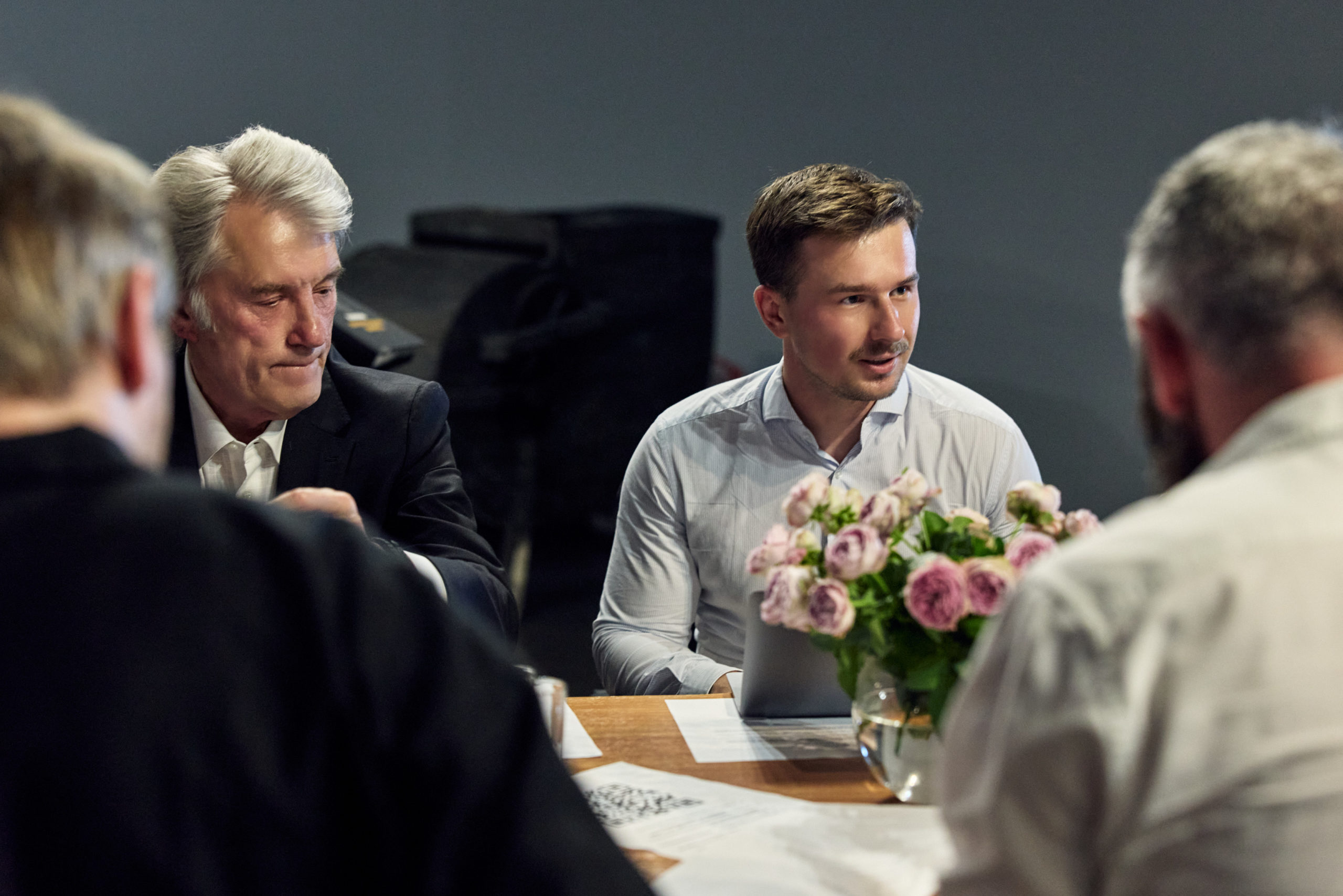
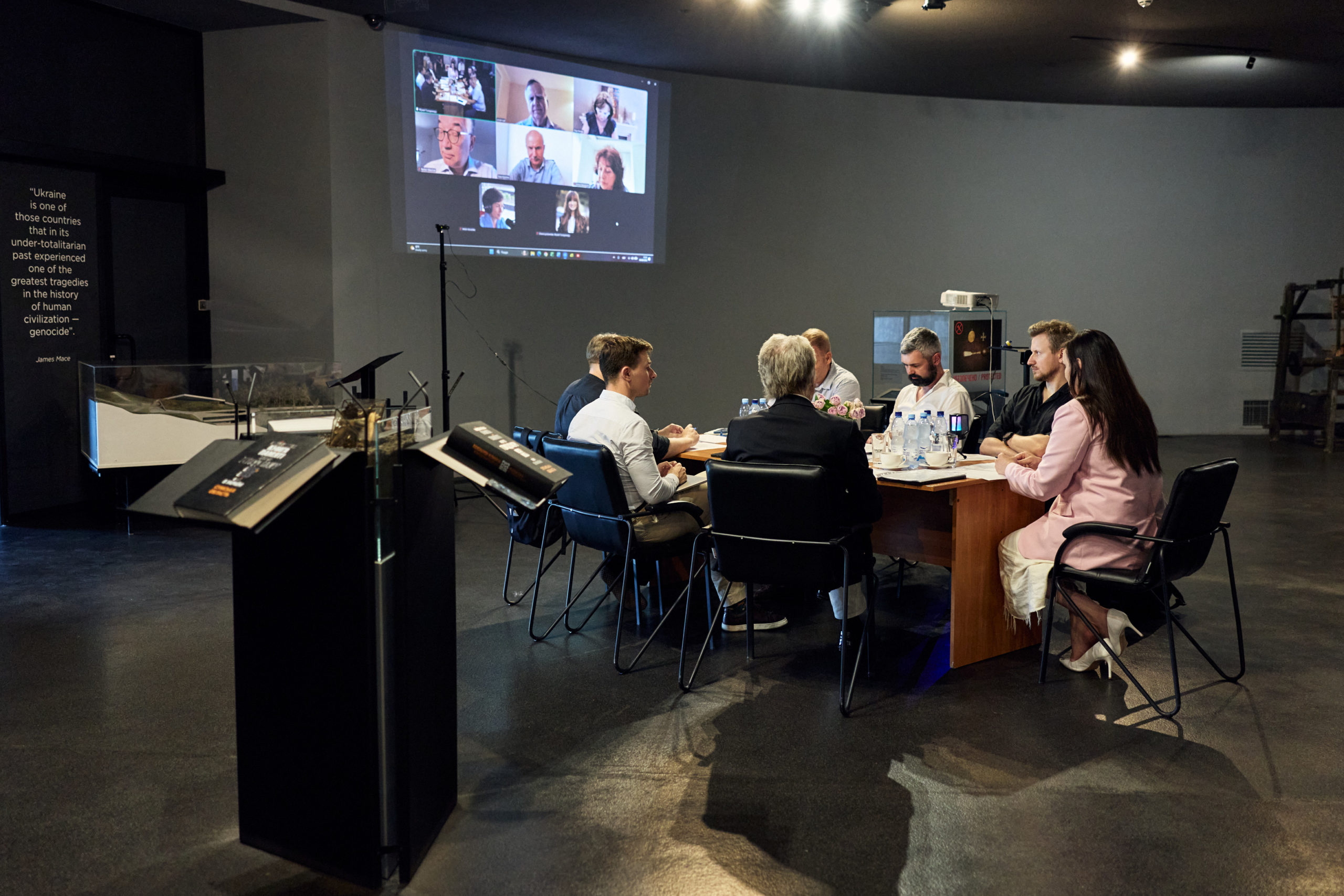
On 4 August 2026, the first meeting of the newly established Supervisory Board of the National Museum of the Holodomor-Genocide took place.
The Board comprises 11 representatives from Ukrainian civil society organisations, international organisations, the Ukrainian diaspora and the academic community.
The Supervisory Board will operate permanently to ensure a balance between the interests of the state and society, the transparency of all processes, and the Museum’s openness to the world.
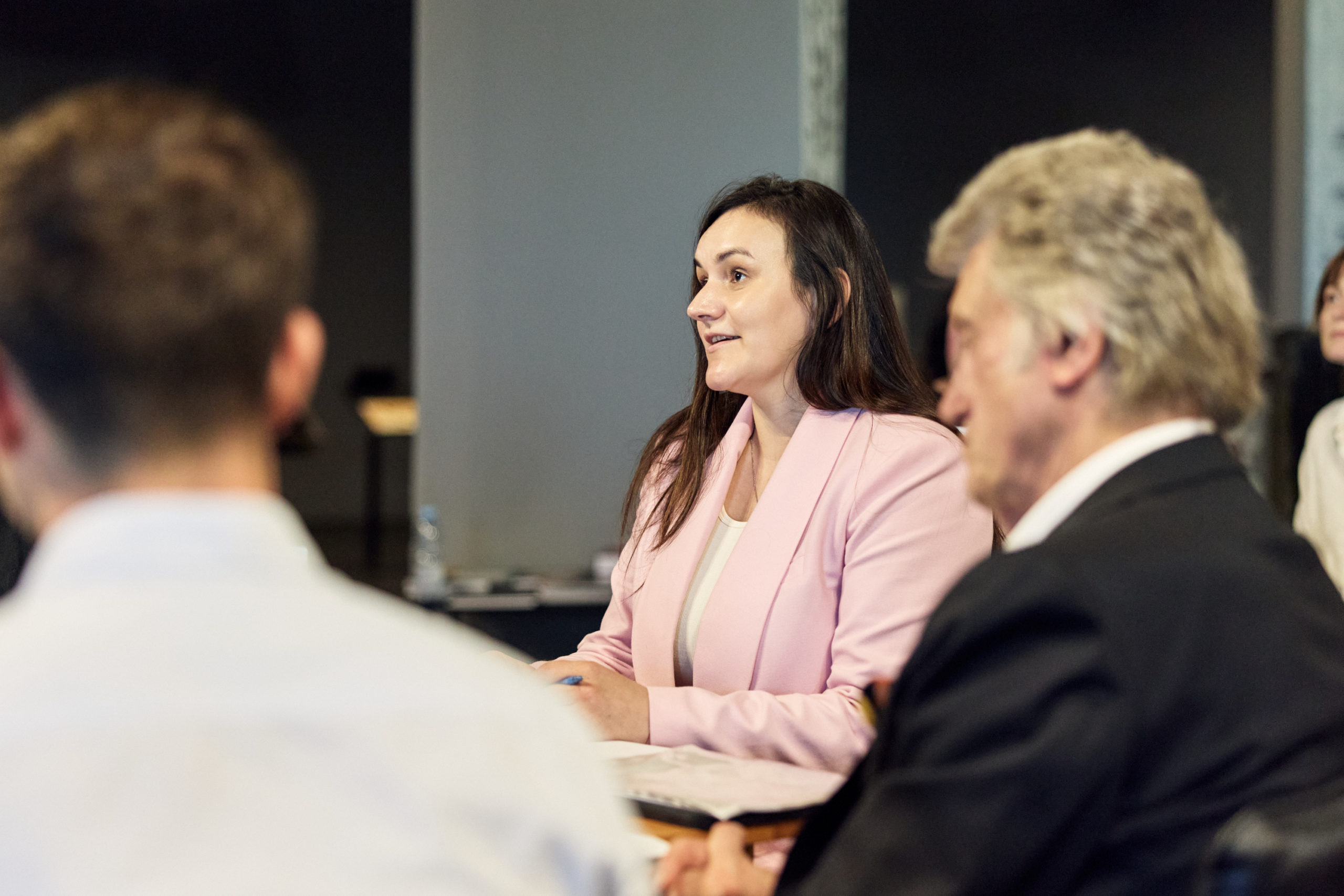
The meeting opened with a speech by Tetyana Berezhna, Deputy Prime Minister of Ukraine for Humanitarian Policy and Minister of Culture of Ukraine. She thanked the members of the Supervisory Board who had agreed to take on this important mission and briefly outlined the tasks facing the Board.
‘The Supervisory Board’s main goal is to ensure proper oversight of the museum’s activities. Also, there is a list of tasks that will truly be our top priorities. These include completing the construction of the second phase of the museum complex and creating a permanent exhibition. It is vital to carry out systematic, comprehensive work to secure international funding and ensure the institution’s transparency and accountability.
The museum mustn’t be merely a place where the memory of millions of victims is preserved. It must be a place where significant academic, educational and various international events take place, attracting people and young people, and a place that strengthens the memory and understanding of what the Holodomor genocide was. Therefore, may life, activity and development always prevail here. And I am convinced that the Supervisory Board can be a very reliable driving force behind this process.”
Ivan Verbytskyi, First Deputy Minister of Culture of Ukraine, chaired the first inaugural meeting. It was under his leadership that the working group responsible for forming the Supervisory Board operated; we would like to express our sincere thanks for his systematic approach and considered coordination.
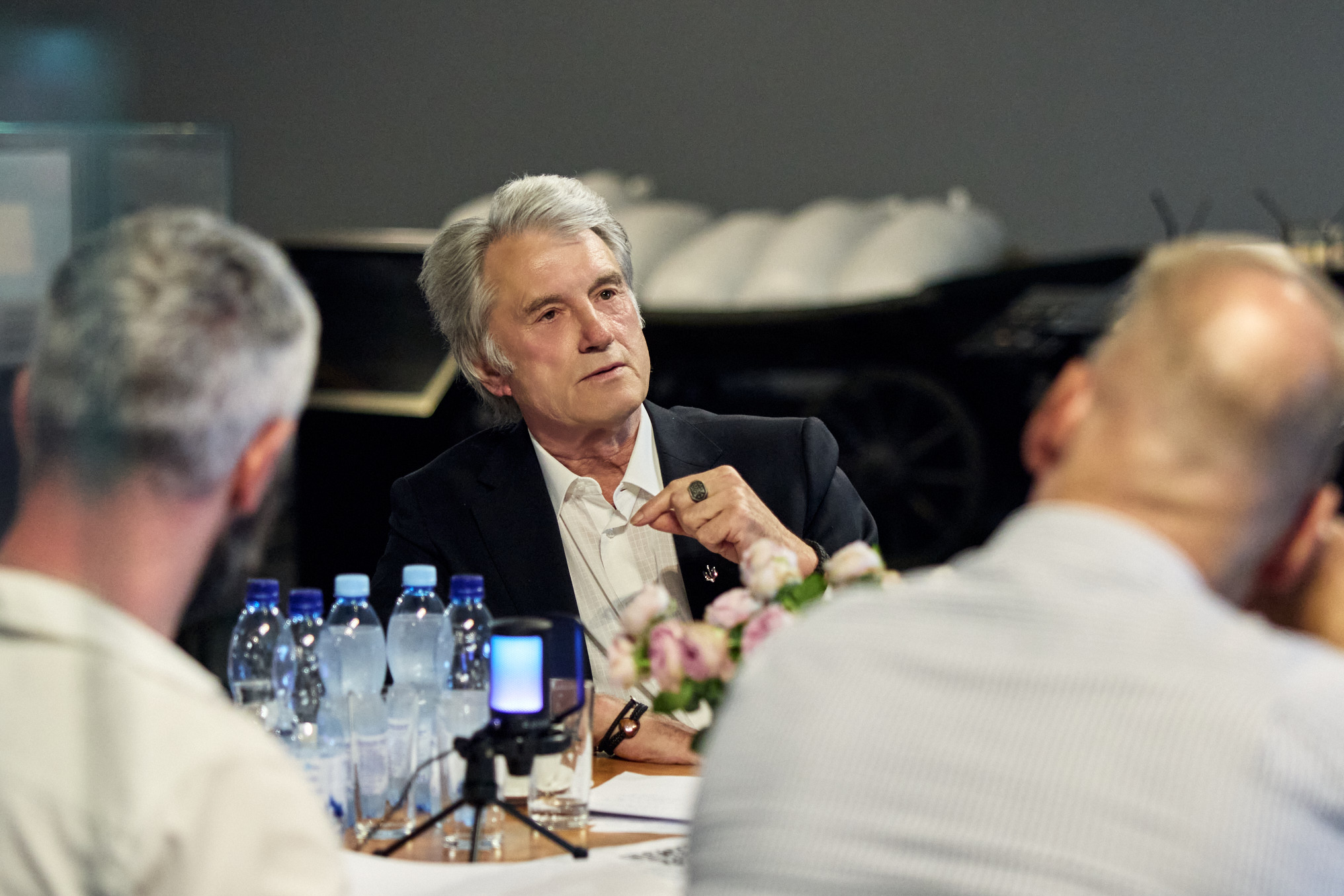
The leadership of the Supervisory Board was elected by open ballot. Viktor Yushchenko, President of Ukraine from 2005 to 2010, was elected Chair of the Supervisory Board; Roman Vashchuk, Canada’s Ambassador Extraordinary and Plenipotentiary to Ukraine from 2014 to 2019, was elected Deputy Chair; and Olha Soroka, Chair and founder of the Network of Holodomor Descendants, was elected Secretary of the Board.
Emphasising the need to complete the second phase of the museum, Viktor Yushchenko noted that the Supervisory Board’s top priority would be to raise funds for this.
“In a country at war, it is not so easy to talk about this, because there are always more pressing issues that cannot be ignored. So the question of securing funding is very important. And here we need to engage two sides: a strong and motivated domestic side, by which I mean the potential of our business sector and economy, as well as the Ukrainian diaspora.”
Viktor Yushchenko also emphasised that the National Museum of the Holodomor-Genocide is precisely the state institution that ‘forms part of our national and state identity’ and serves an ‘essential function’ of the entire state apparatus. Its development and full-scale operation are therefore vital, particularly at a time when Russia is once again committing genocide against the Ukrainian nation.
Lesia Hasydzhak, Director General of the Holodomor Museum, outlined the institution’s main areas of activity and the challenges it currently faces. She shared the museum’s progress and achievements over the past four years, including a 234 per cent increase in the museum’s collection, expeditions to record the testimonies of witnesses to the Holodomor and the mass man-made famine of 1946–1947, and the creation of the Holodomor Oral History Archive, new publications; extensive work on digitising the museum’s collection and framing its art section; continued work on the main exhibition project; and the initial results of the international technical assistance project funded by the Government of Canada, which is being implemented by Cowater International in collaboration with the Canada-Ukraine Foundation, with the museum acting as the beneficiary. She also highlighted the current challenges: the museum’s operations during wartime, in particular the importance of preserving the museum’s collection and preparing for winter operations.
In conclusion, those present outlined the main areas of focus in preparation for the next meeting.
On behalf of the Museum, we would like to thank all members of the Supervisory Board for their commitment, dedication and willingness to work together.
Photo: Anton Tkachenko, Ministry of Culture of Ukraine.