Back then, they killed with hunger, now with missiles: Holodomor witnesses see Russian aggression as a repeat of genocide
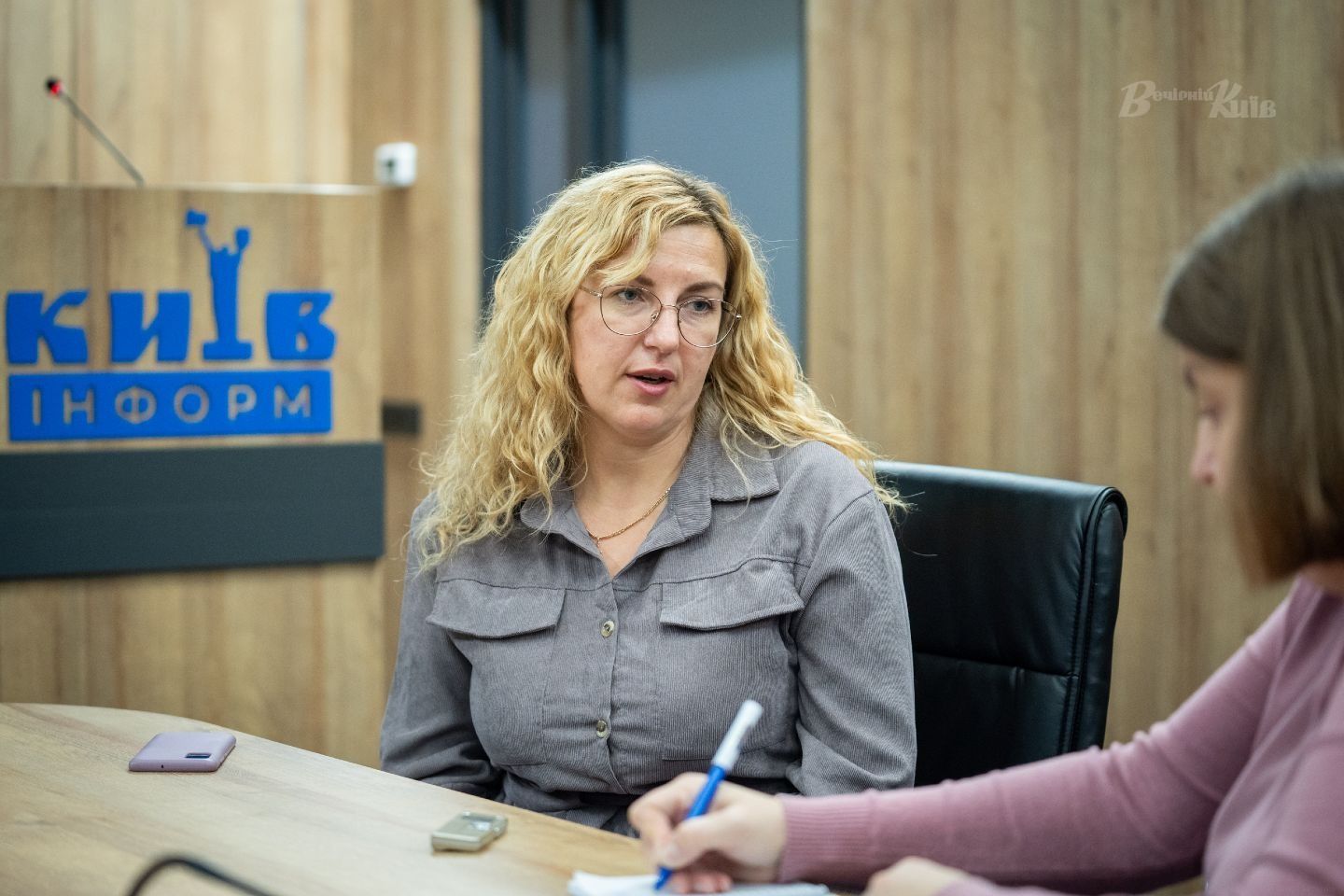
On 21 November, our colleague, Yuliia Kotsur, head of the Department of Holodomor Oral History, spoke with Natalka Markiv, a journalist from the newspaper Vechirnii Kyiv. For many months, Yuliia Kotsur led and participated in expeditions to various regions of Ukraine as part of the project “Support for Exhibitions at the National Holodomor Museum in Kyiv, Ukraine,” which is funded by Global Affairs Canada (GAC) and implemented by Cowater International and the Canada-Ukraine Foundation.
We recorded one such story in the Kirovohrad region. During the Holodomor, the father and the youngest son of a family died. The woman, along with her three daughters, was left without any means of subsistence, and they were starving. Although the family was poor, they were dekulakised: their livestock, tools, and all grain reserves were confiscated. Activists from the village council suggested that the girls be sent to an orphanage. The mother agreed and later went to the Donbas to earn money.
However, the children were not admitted to the nearby orphanage in a neighbouring village. A woman from the collective farm took the children (the oldest was five years old) to the nearest station and left them. The crying children were found late in the evening at the same station. The two older ones were sent to a boarding school, and the youngest to a nursery. When the older sister learned to write, she found her uncle’s address and informed him of their location. Their mother came and took them from the orphanage. Still, no matter how hard they searched, they never found their little sister.
For more details, follow the link.