The Holodomor Museum participated in the annual meeting of members of the Platform of European Memory and Conscience
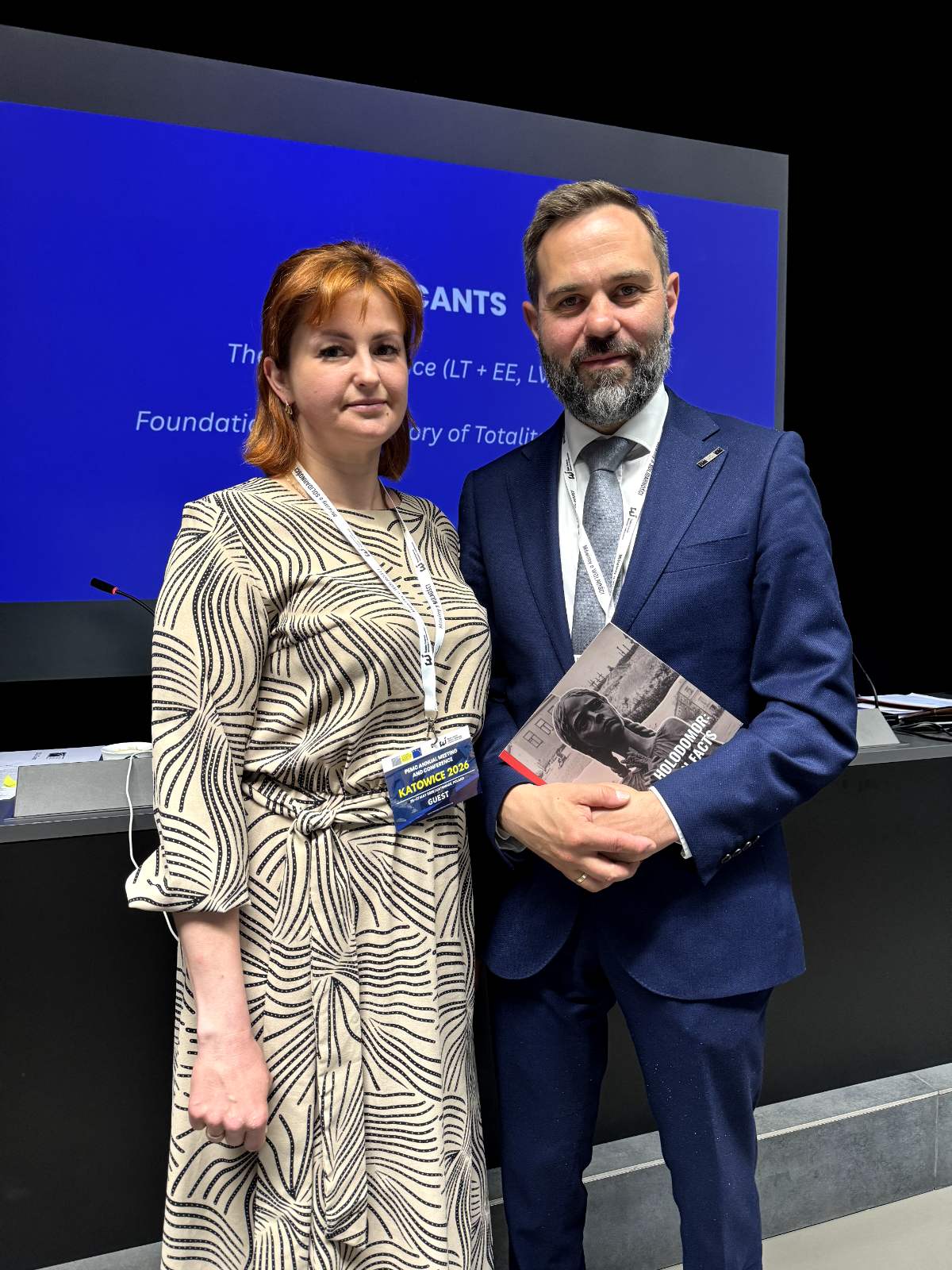
From 25 to 27 May, the Silesian Centre for Freedom and Solidarity (Katowice, Poland) hosted the annual meeting of members of the Platform of European Memory and Conscience (hereinafter PEMC). The National Museum of the Holodomor-Genocide is an active member of the organisation. Therefore, this year, it participated in events dedicated to raising awareness about nazism and communism, as well as preventing the recurrence of totalitarianism. Larysa Artemenko, PhD, Head of the Public Communications Department, represented our museum at the meeting in Katowice.
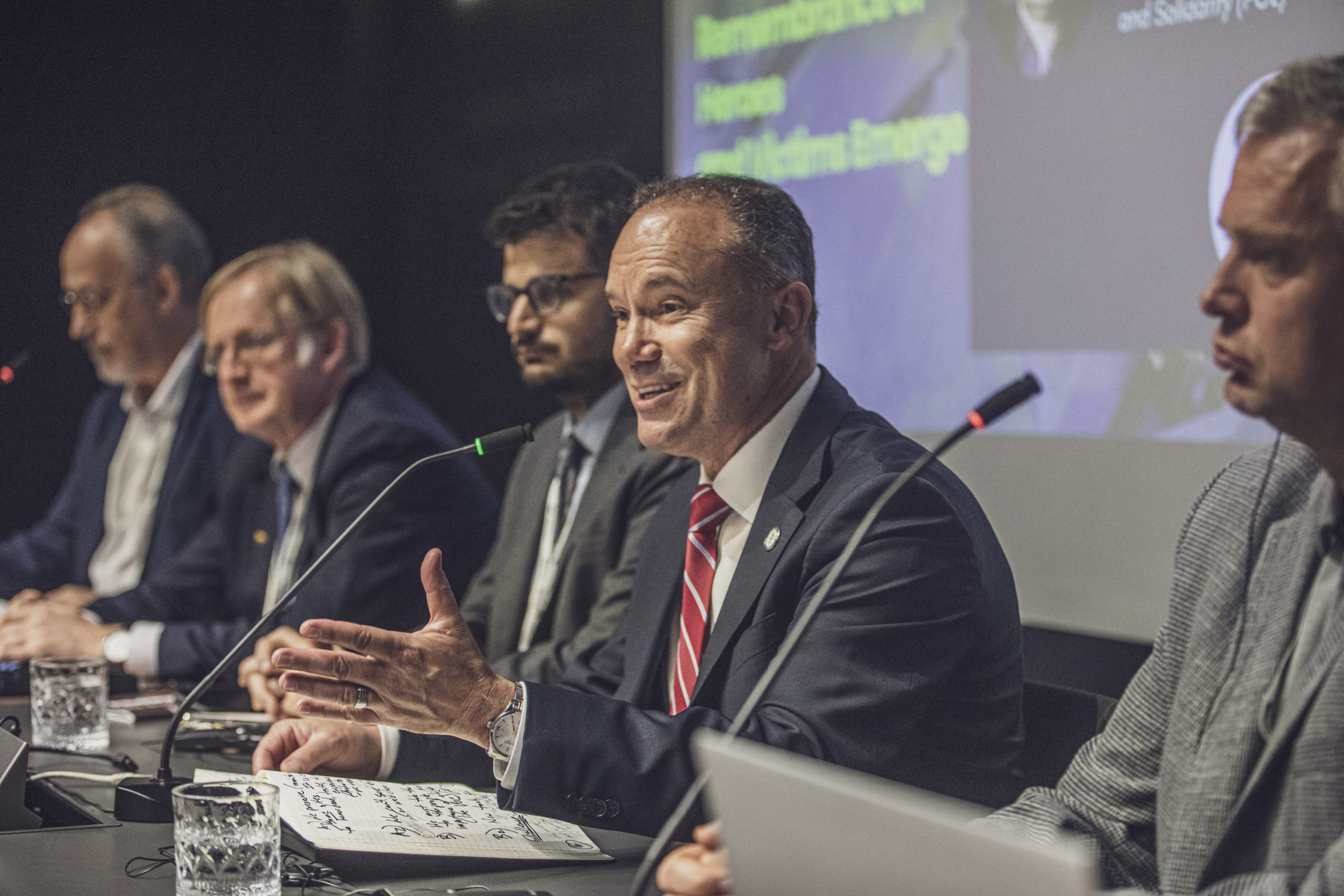
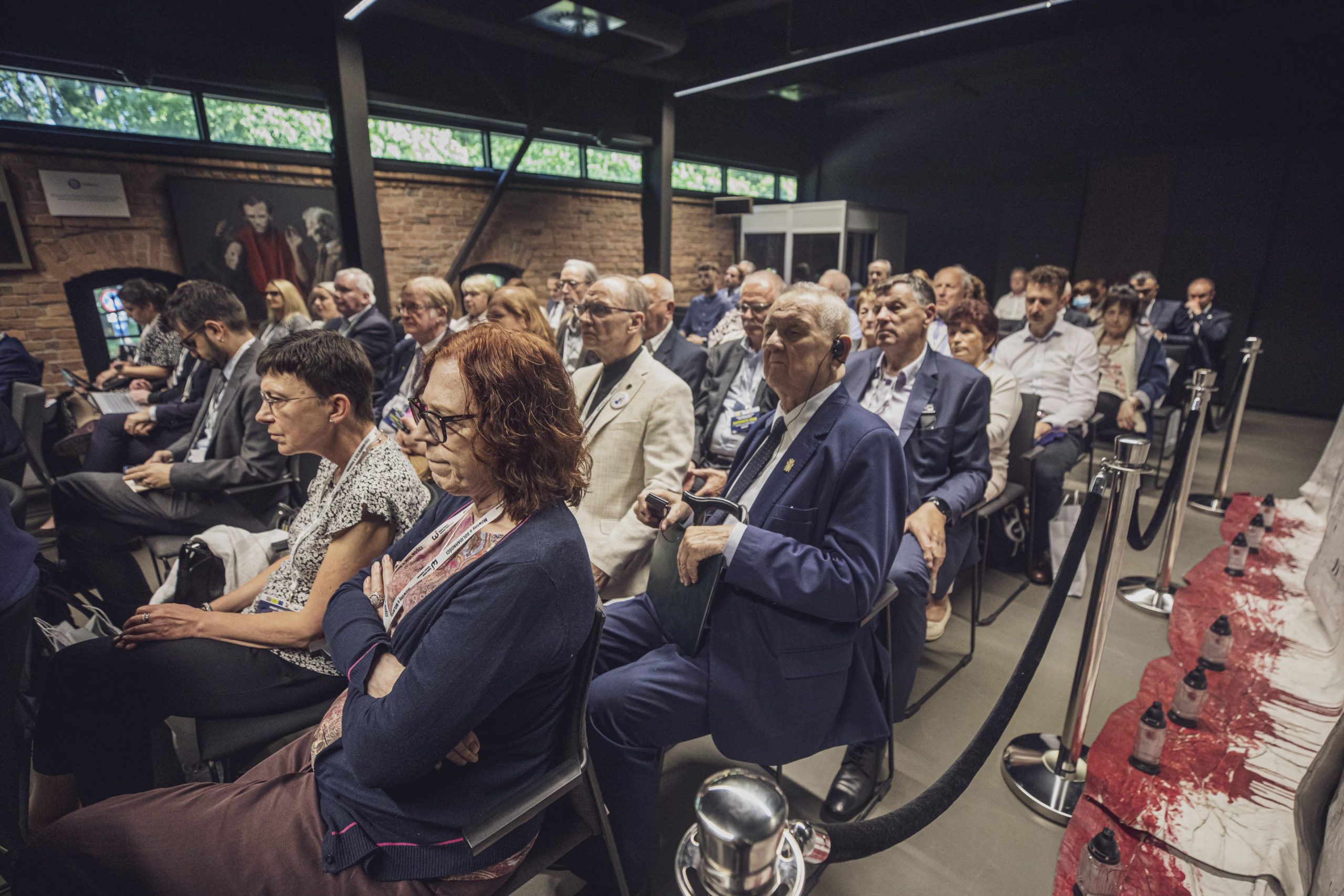
On 25 May, on the Day of Heroes of the Fight Against Totalitarianism, an international conference entitled “From Heroes to Remembrance: How Do We Build Memory Today?” took place. Speakers included representatives from various organisations and institutions in the United States, the United Kingdom, France, Germany, Lithuania, Poland, Belarus and Italy.
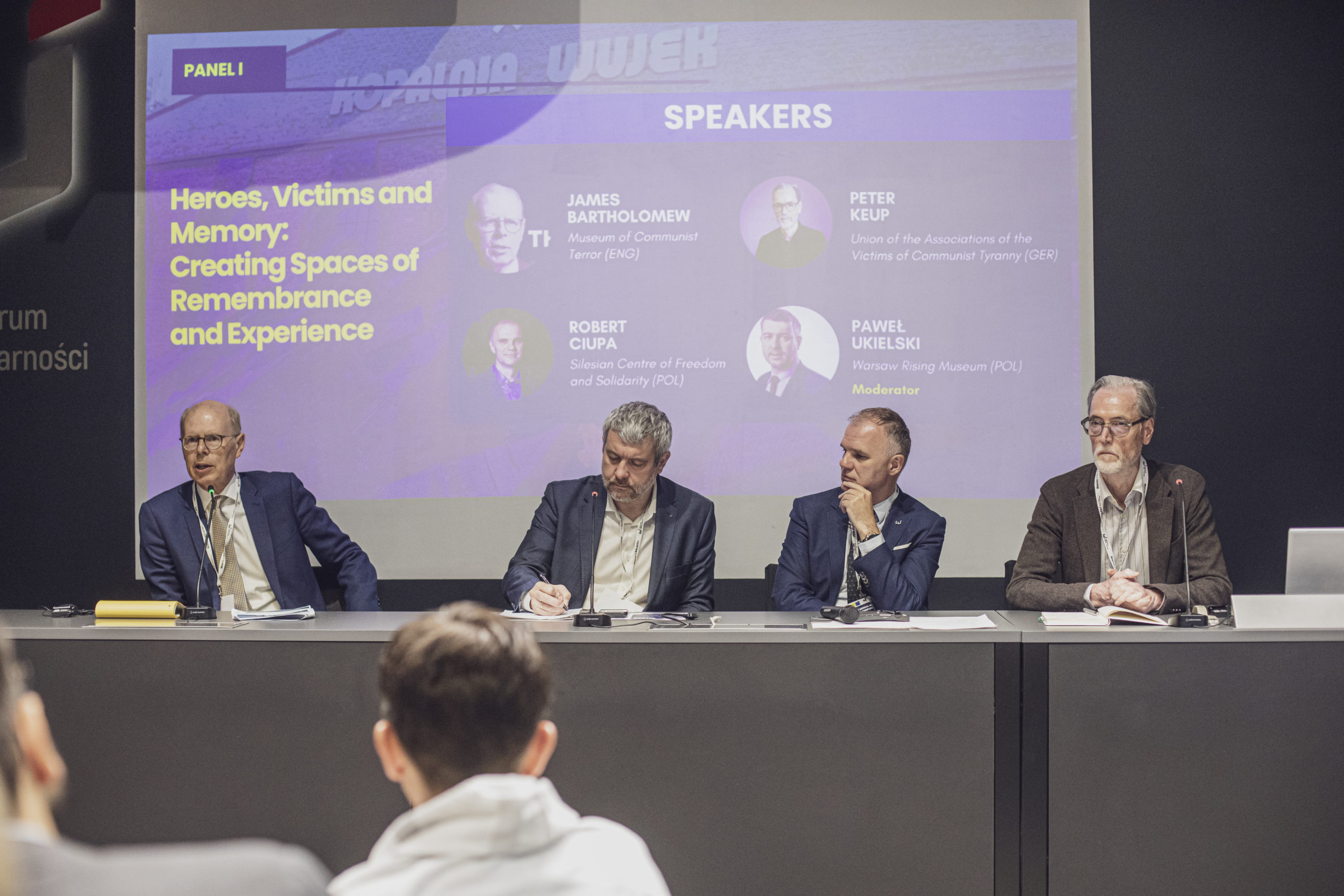
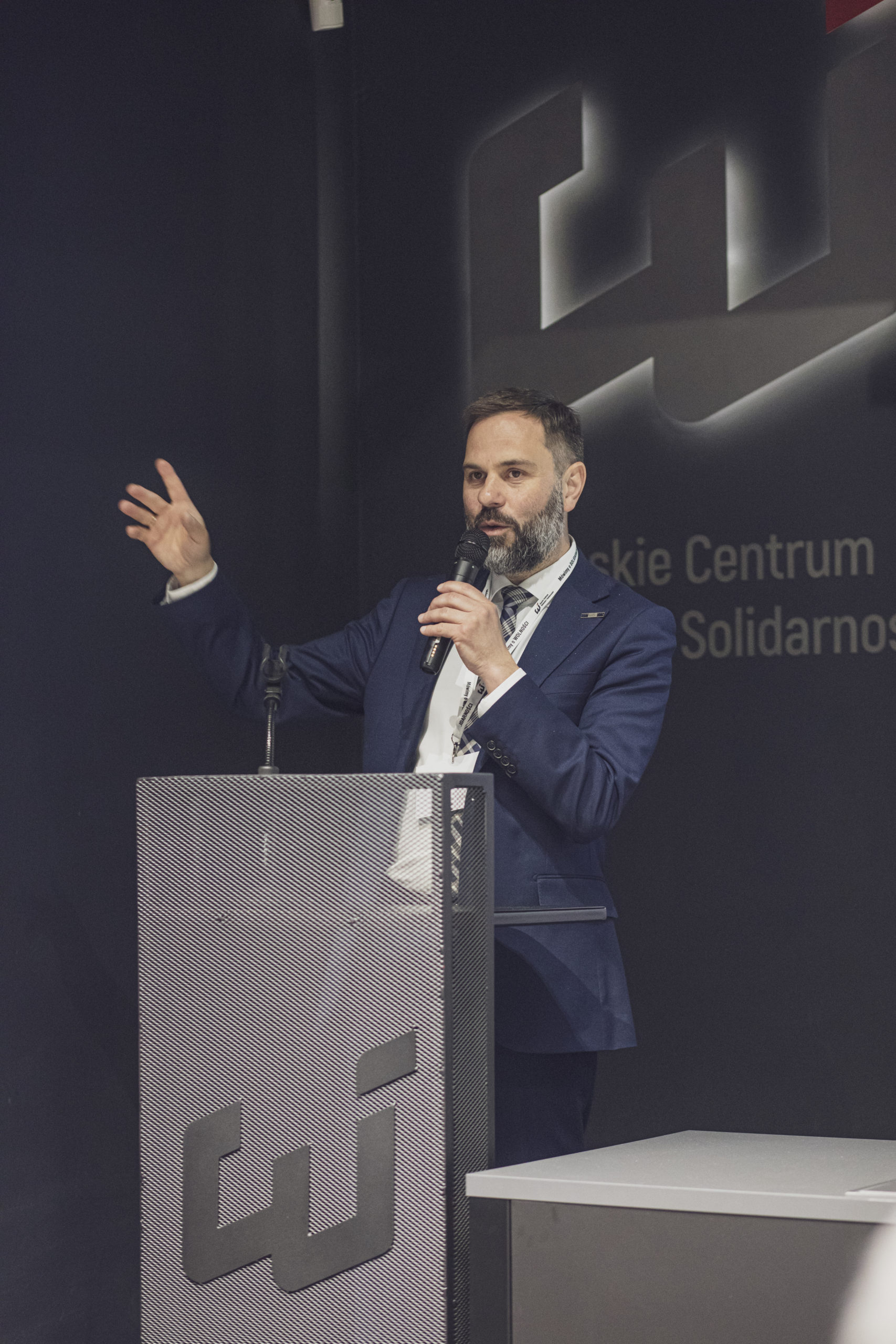
James Bartholomew, a staff member at the Museum of Communist Terror (UK), informed those present about a special course on the history of Ukraine designed for schoolchildren, with a particular focus on the Holodomor genocide of the Ukrainian people. In addition, he presented the attendees with brochures on the Holodomor, prepared by the Foundation for the History of Totalitarianism. Peter Keup, a representative of the Union of Victims’ Associations of Communist Tyranny (Germany), stated that a new chapter is unfolding in Ukraine today, connected with the Russian invasion. Germany lives in a comfortable, democratic society; however, everything may change tomorrow. That is why a critical assessment of events and an active stance on restoring justice are of paramount importance today. Joshua Evangelista, a member of the Gariwo Foundation (Italy), emphasised in his speech that there was extensive Russian propaganda in Italy that had to be fought. In conclusion, Marek Mutor, Chair of the PEMC, summarised the presentations and emphasised the need to be creative and seek new approaches to presenting complex historical material to young people and future generations in general. He also expressed his view on the war in Ukraine: “The Russian Federation is the aggressor, and there should be no room for manipulation on this matter. The fight against the new regime, Putin’s regime, is ongoing. And we must stand united for the sake of a shared victory.”
On 26 May, a meeting of the Council of Members of the Platform of European Memory and Conscience took place. During the Council meeting, the 2025 report was approved, following which the members of the Supervisory and Executive Boards were elected. According to the results of the vote, the following organisations became new members: the Belarusian Institute of Public History (an independent Belarusian institute operating in Poland), the Foundation for the History of Totalitarianism (United Kingdom) and the Baltic Alliance (Lithuania, Latvia, Estonia, Poland).
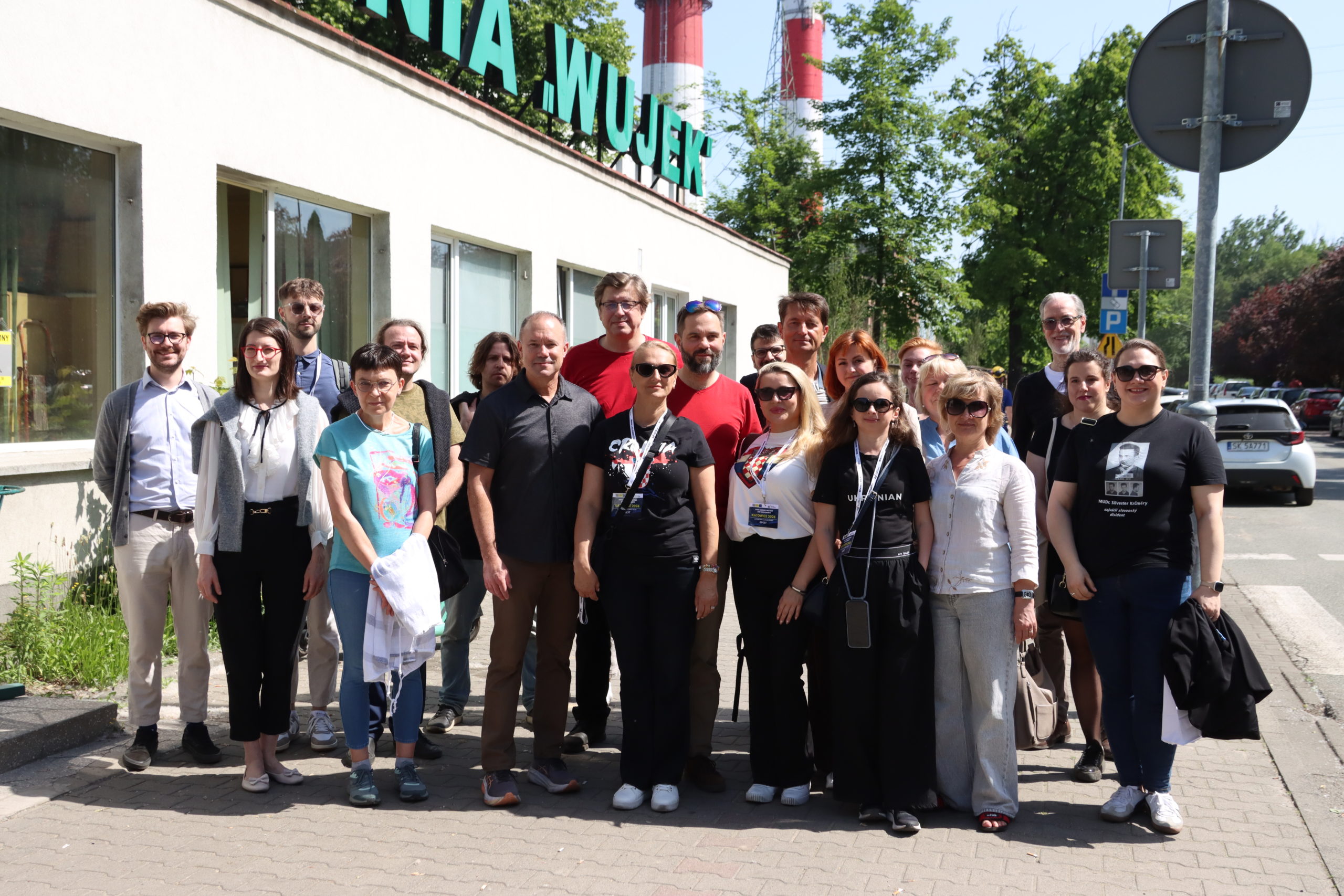
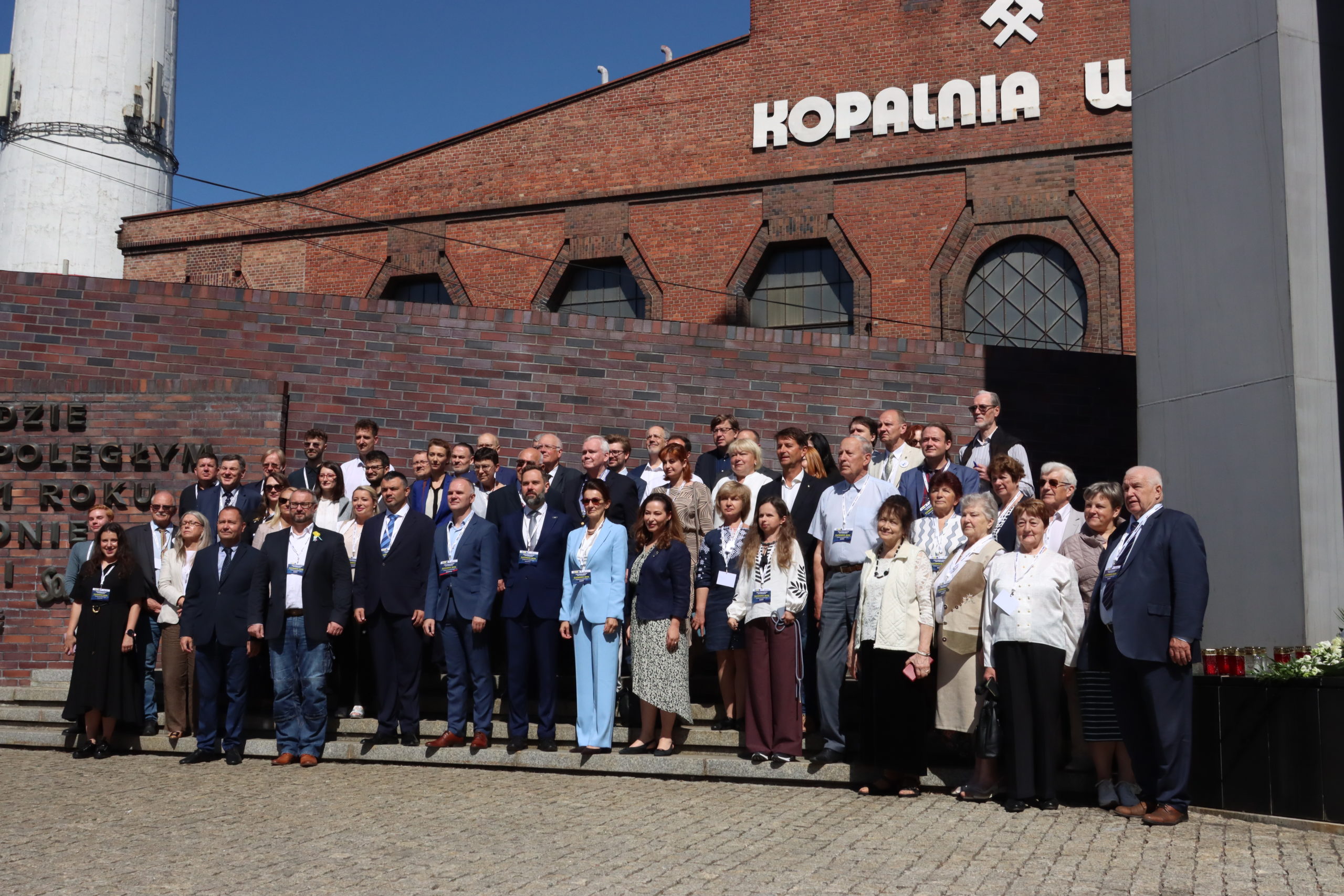
On 27 May, at the Silesian Centre for Freedom and Solidarity, PEMC members paid tribute to the memory of the miners of the ‘Wujek’ mine who lost their lives fighting the communist regime for Poland’s freedom.
Photos by Sylwester Strzałkowski and Marzena Bugała-Astaszow.