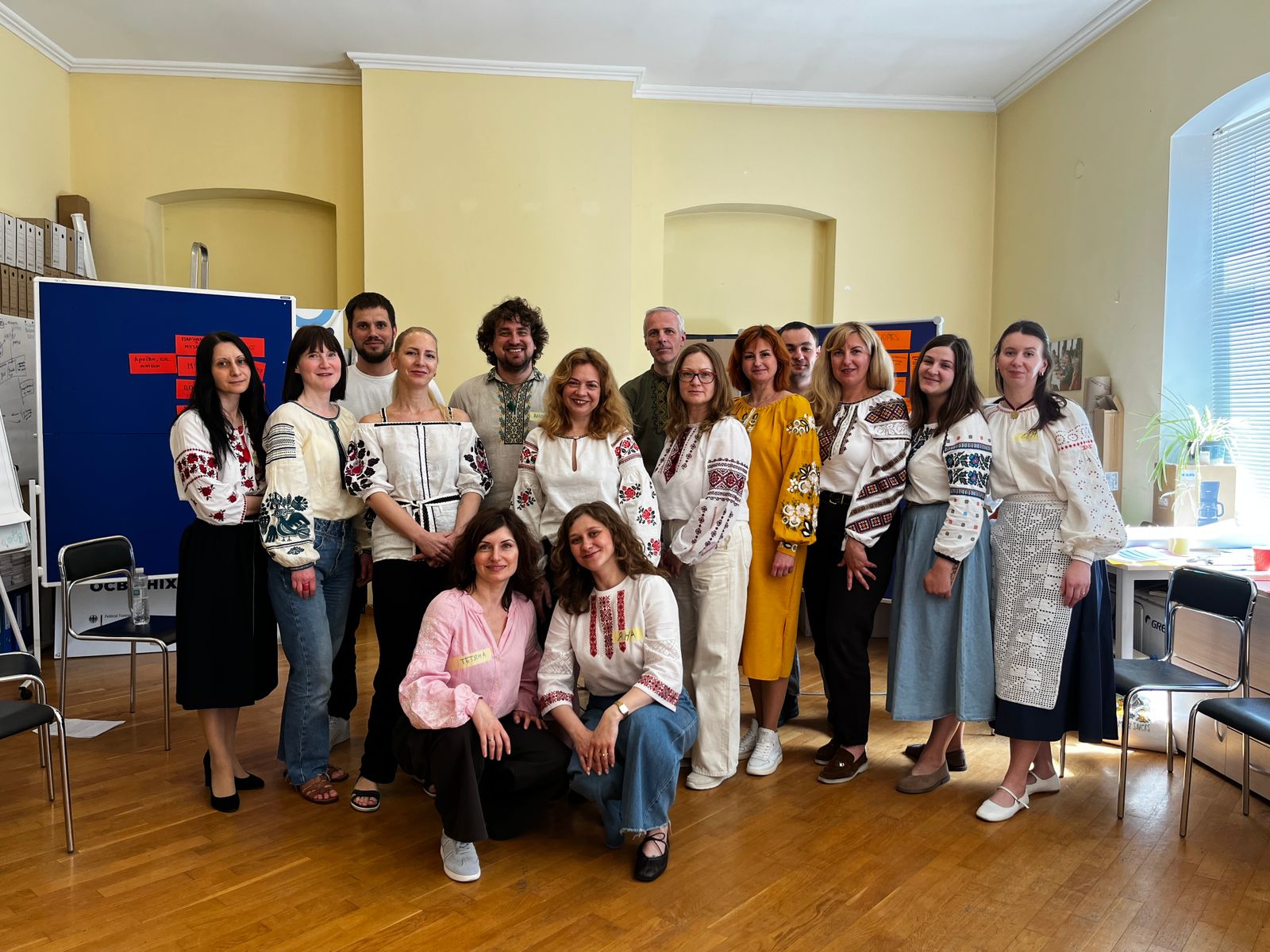
Some members of the museum team participated in a workshop on strategy planning
On May 19–21, 2026, part of the team from the National Museum of the Holodomor-Genocide participated in a session to assess the Museum’s organisational, operational and financial capacity using the Organizational Capacity Assessment (OCA) tool.
The session marked the fourth phase of the project “Assessment of the Institutional and Operational Capacity of the National Museum of the Holodomor-Genocide”, which is being implemented by the Museum in collaboration with the team from the agency “Open Space Works Ukraine” as part of the international technical assistance project “Support for the Exhibitions of the National Museum of the Holodomor-Genocide in Ukraine”, funded by the Canadian Ministry of Foreign Affairs and implemented by Cowater International. The project aims to produce a detailed analytical report based on the assessment findings, along with recommendations for enhancing institutional capacity, which will include tools, training, management practices, and an action plan.
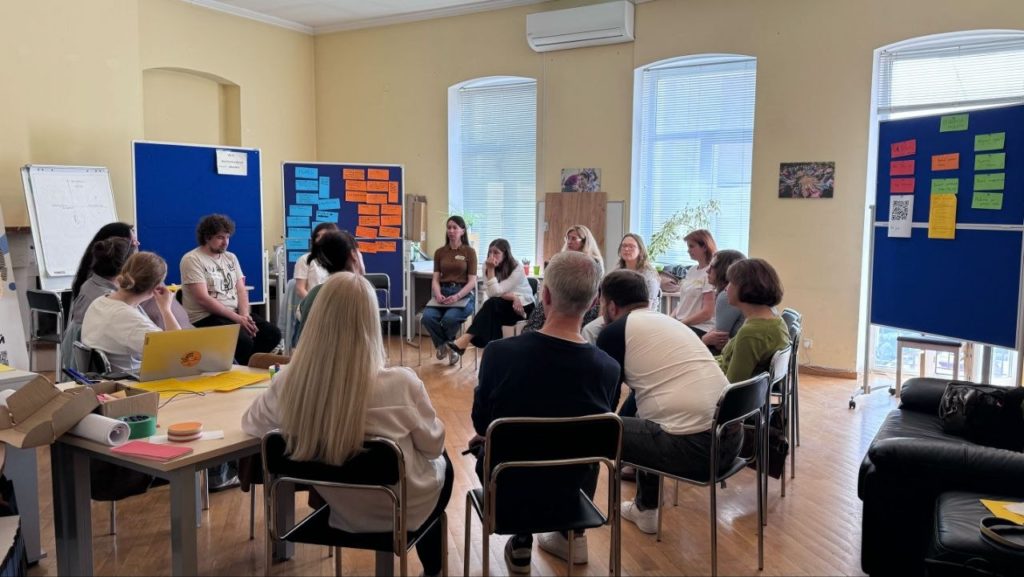
Under the guidance of facilitators from Open Space Works Ukraine, Tetiana Danyliv and Andrii Bryzhuk, participants spent two days analysing the Museum’s key areas of organisational capacity in relation to previously developed ideal statements (management and leadership; strategic planning; organisational structure and human resources management; financial management; administrative, procurement, fundraising and risk management systems; operational processes; partnerships and stakeholder engagement; monitoring, reporting and communications; transparency, accountability and regulatory compliance; integration of the principles of gender equality, diversity, accessibility and social inclusion), strengths, gaps and risks for organisational development. On the third day, working together, the participants developed a map of organisational potential, which visualises strengths and areas for development, after which they jointly discussed the results and identified priority areas for organisational development.
Based on this prioritisation, the team has begun drawing up a practical organisational development plan, which will include specific objectives, actions, responsible parties and a timeframe for the next 24 months.