The Museum hosted an evening in memory of Holodomor researcher Lidiia Kovalenko-Maniak
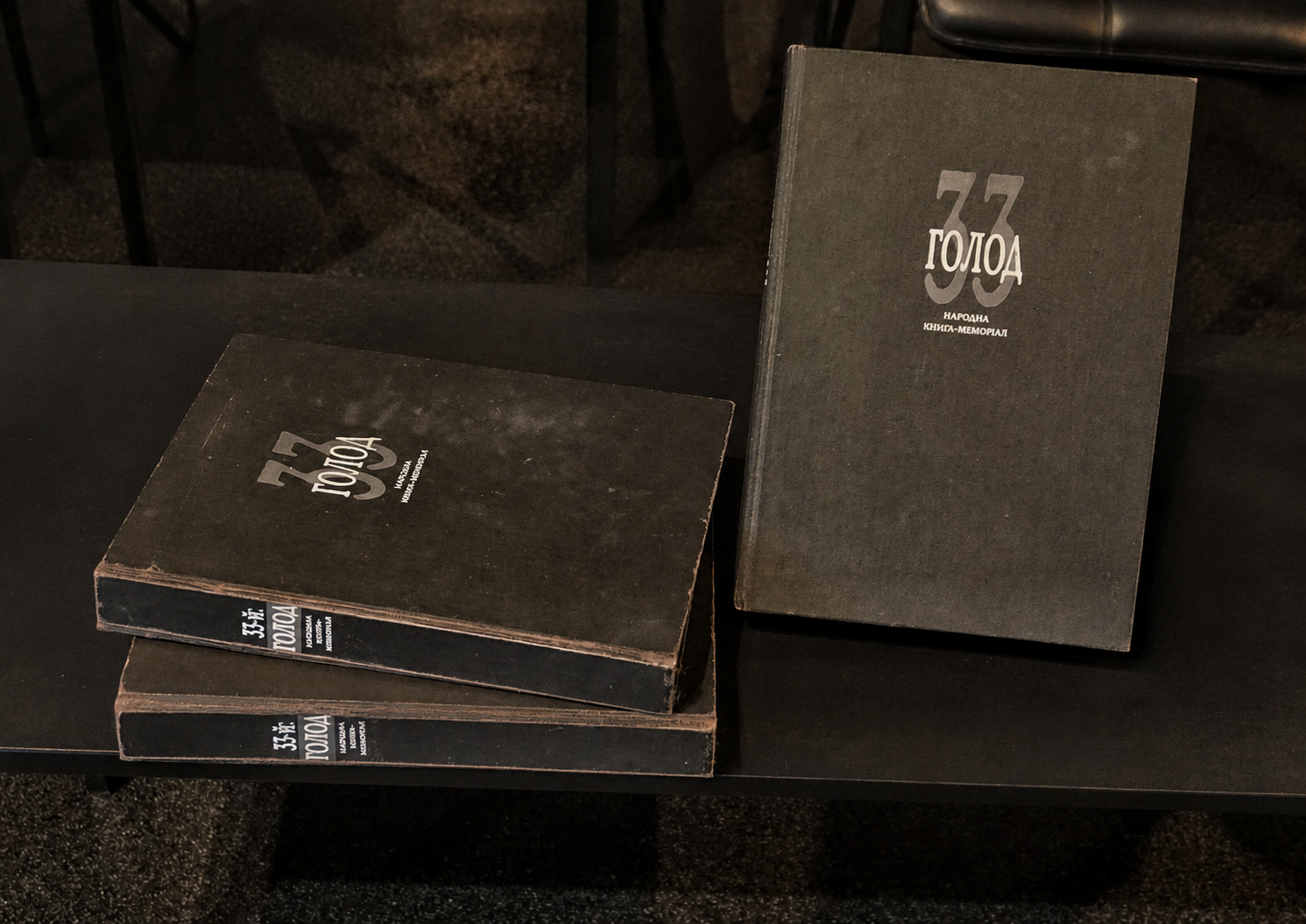
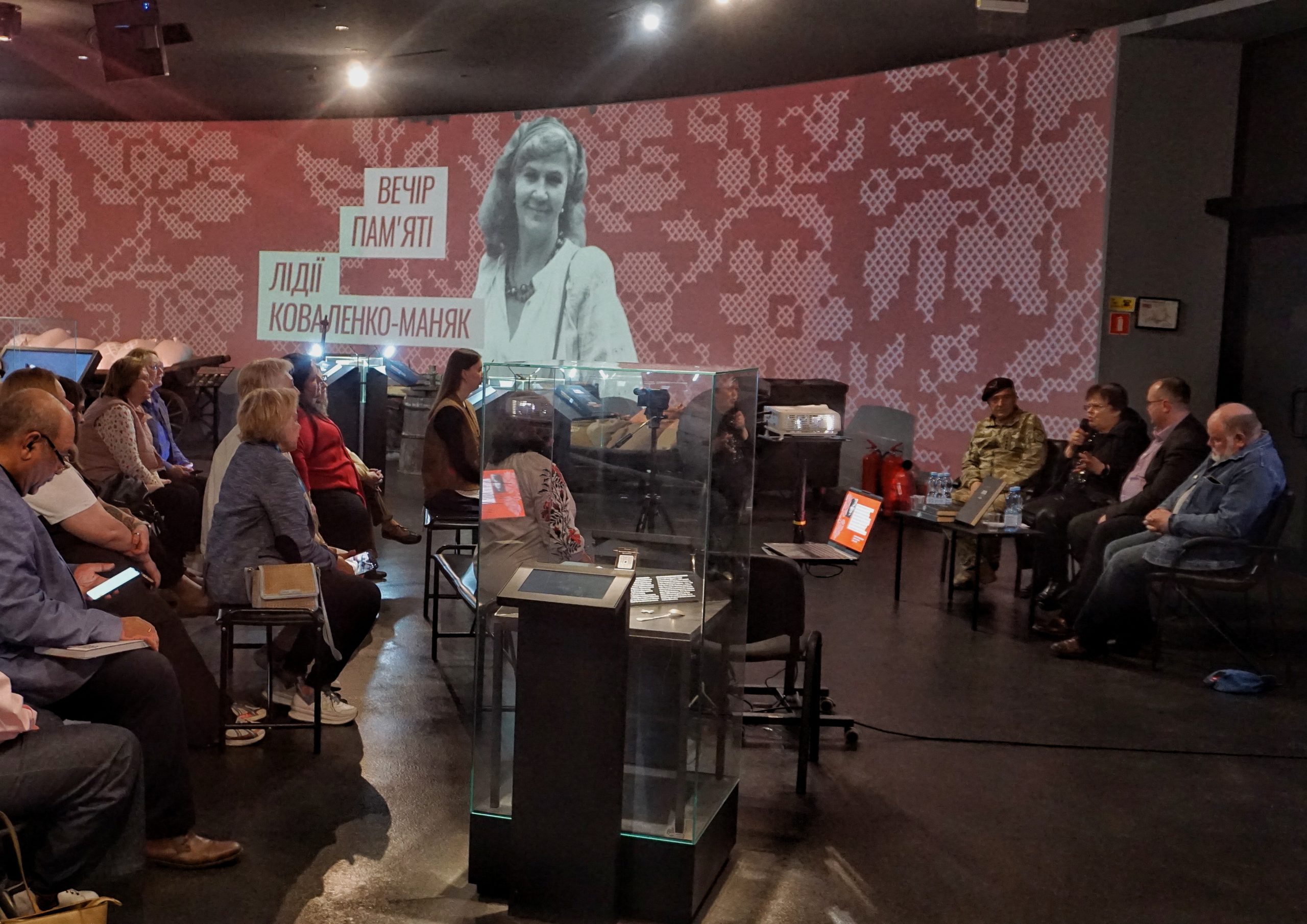
On 5 May, the Holodomor Museum paid tribute to Lidiia Kovalenko-Maniak, a Holodomor researcher and co-author of Ukraine’s first book of testimonies on the Holodomor “33rd: Hunger,” one of the initiators of the Association of Researchers of the 1932–1933 Holodomor in Ukraine and the first head of this Association. On this day, she would have turned 90.
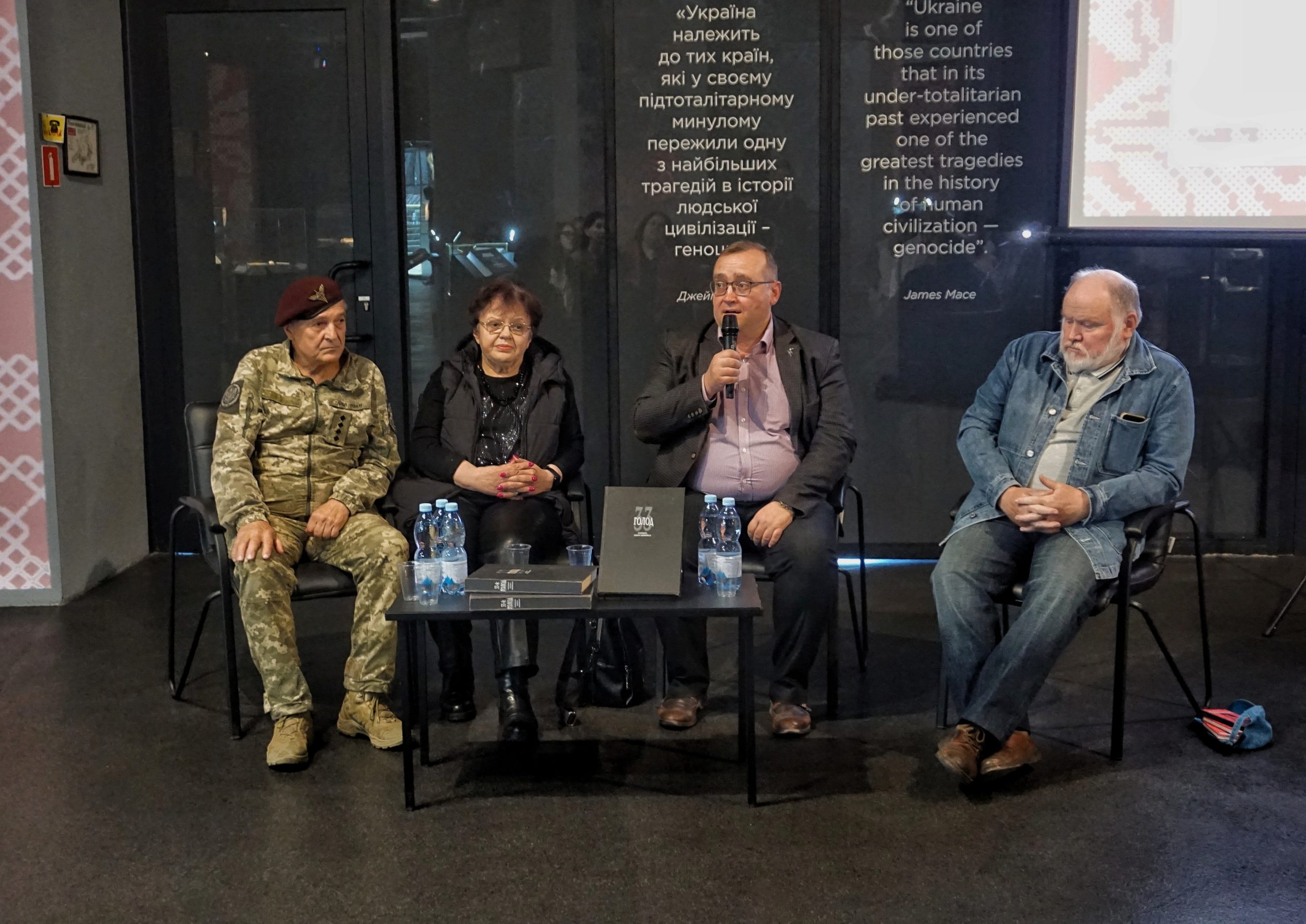
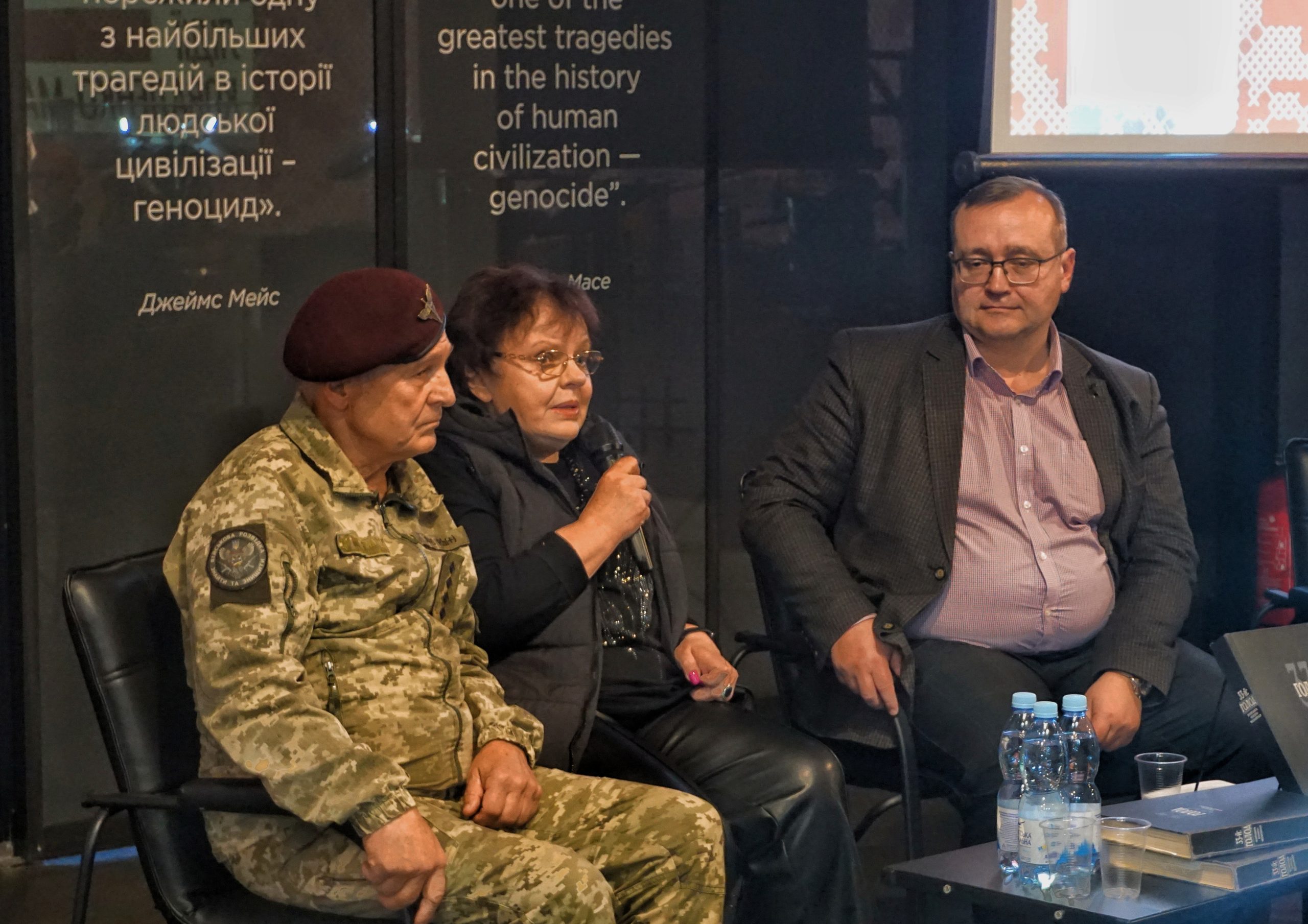
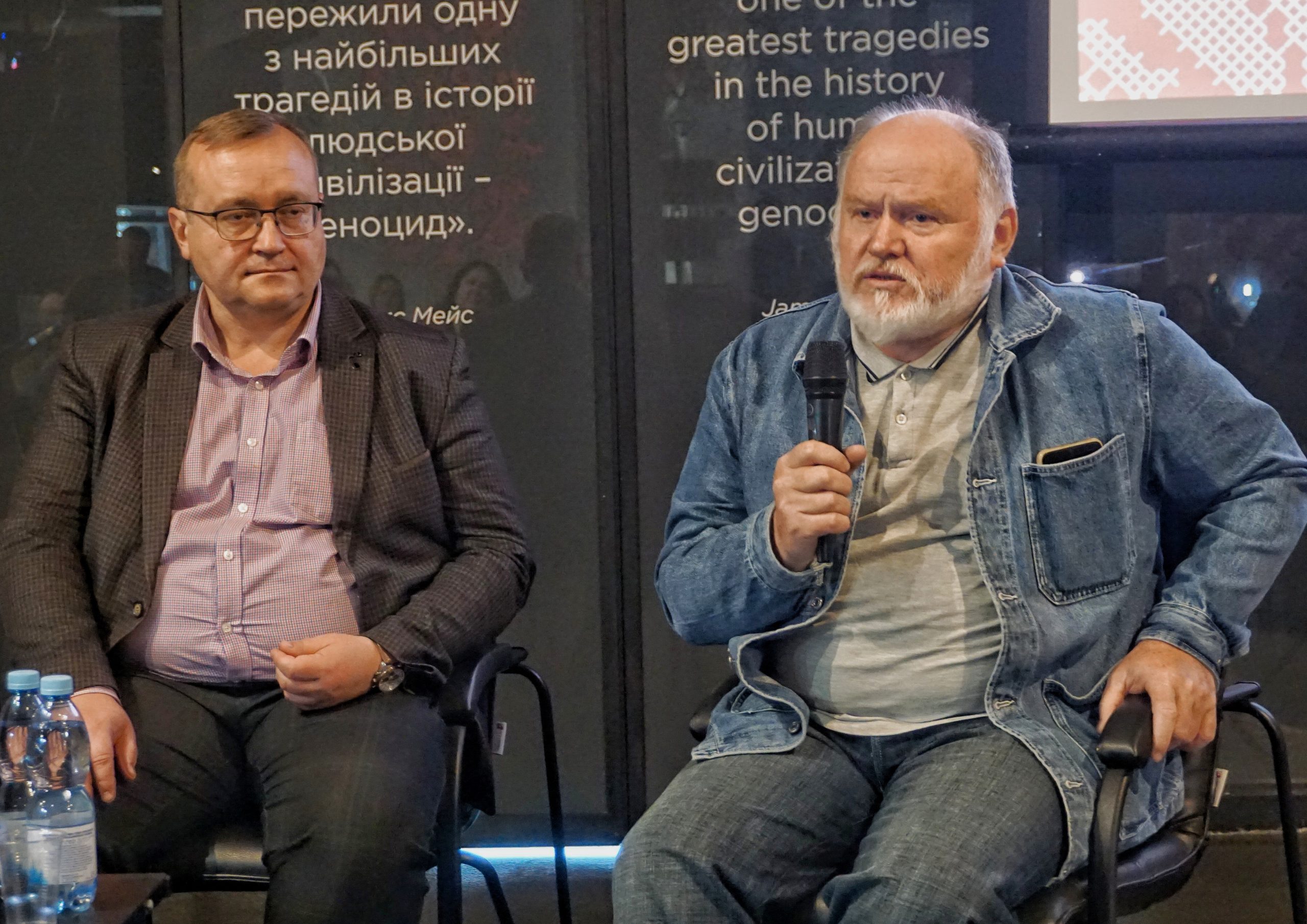
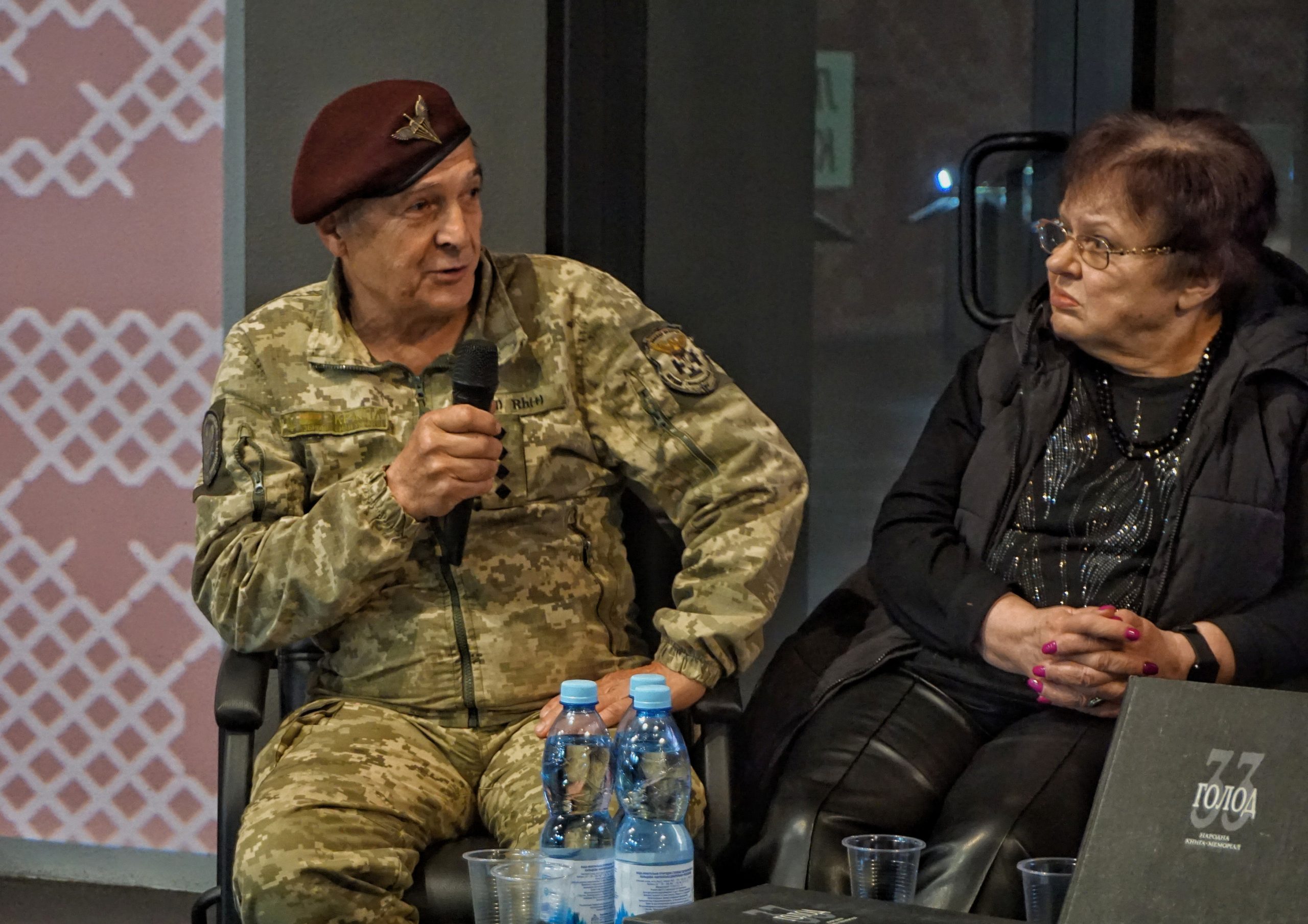
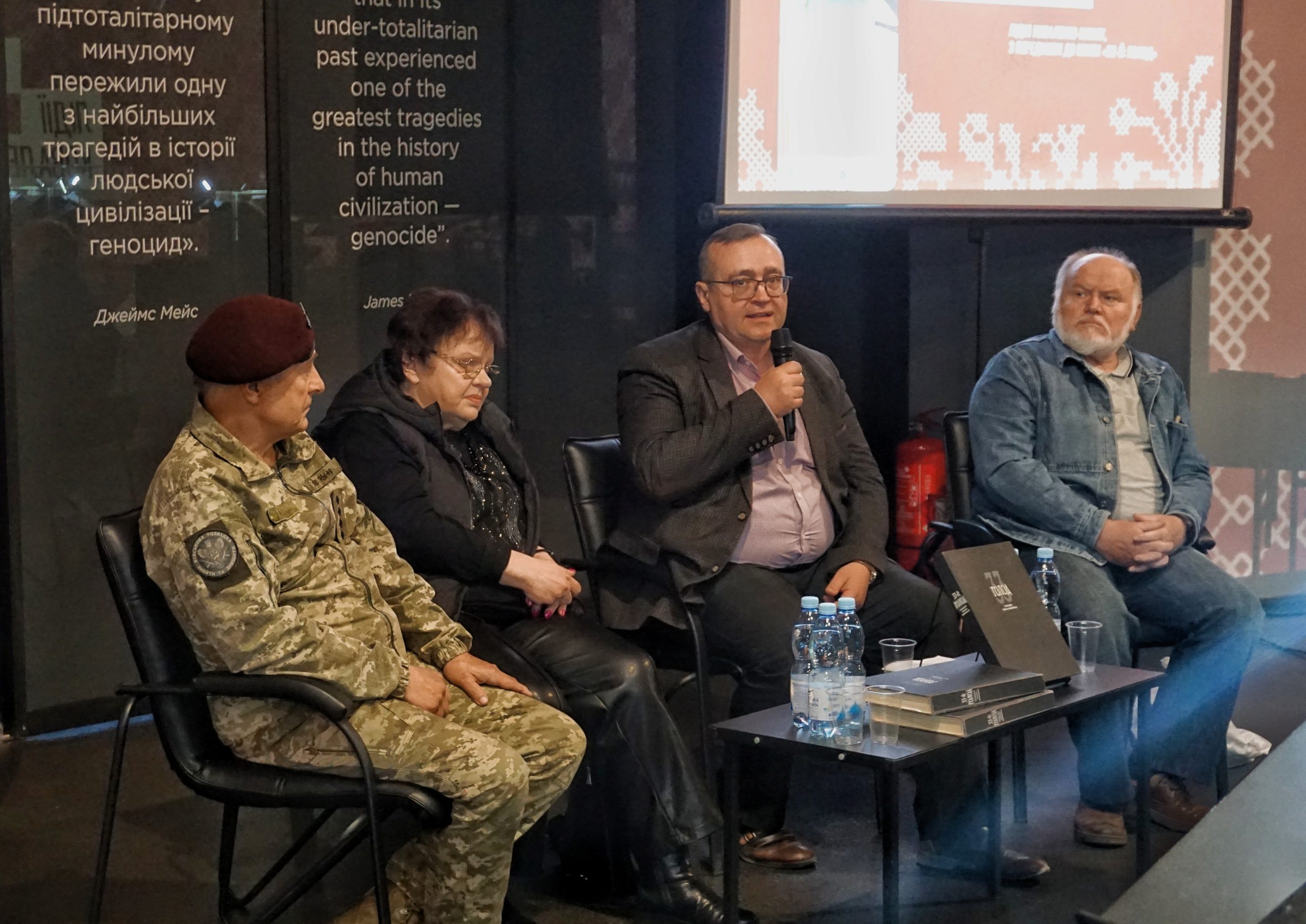
Natalia Dziubenko-Mace, the editor of the book “The 33rd: Hunger,” Vasyl Marochko, a Doctor of Historical Sciences and the academic consultant for the book, and Oleksandr Ushynskyi, who initiated the erection of Ukraine’s first monument to the Holodomor victims, gathered to share their memories of the researcher. During the event, attendees could also see for the first time photographs from the family archive, which were recently donated to the Museum by the couple’s son, Anton Maniak, to whom we are sincerely grateful.
Andrii Ivanets, the event’s moderator and a candidate of historical sciences, spoke about Lidiia Kovalenko’s life. The future researcher was born on 5 May 1936 in the village of Bochechky in the Sumy region to a family of teachers. During the Second World War, she and her mother were evacuated to Uzbekistan, where she attended school. In 1944, whilst her father was fighting at the front, the family returned to Chernihiv. After finishing school, Lidiia decided to devote herself to journalism and graduated from Taras Shevchenko National University of Kyiv in 1958. She worked for the magazines ‘Ranok’, ‘Ukraina’ and ‘Liudyna i svit’. Together with her husband, she founded the Association of Researchers of the 1932–1933 Holodomor in Ukraine (1992), and at its first founding congress, after her husband’s death, she was elected chair. Meanwhile, work continued on the book ‘The 33rd: Hunger’ (1991), for which 6,000 testimonies were collected, archival documents were examined, and comprehensive introductory articles and commentaries were written.
“There are epoch-making books, and there are books that are significant for everyone. Also, some books are very special to oneself. For me, the book ‘The 33rd: Hunger’ was decisive… As early as 1987, the Writers’ Union had decided on a book about the Holodomor. This issue had been building up for a long time. Finally, the Union, led by Oles Honchar, decided to create a memorial book of the 1932-1933 famine. It was already the era of glasnost. The task was entrusted to Volodymyr Maniak and Lidiia Kovalenko,” recalls Nataliia Dziubenko-Mace. According to her, this book could have been published much earlier, but its release was delayed for a long time. There was even an attempt to destroy the manuscript.
“The State Committee on the State of Emergency was already over – and the book still wasn’t coming out, still wasn’t coming out, and still wasn’t coming out… Maniak was getting anxious: “I don’t understand what the matter is. We’ve got the artwork, we’ve got the text, we’ve got all the captions…’ It turns out the Party Central Committee didn’t permit the book to be published until Shcherbytskyi put in a word at some plenum, saying that there really had been a famine. And the book came out.”
“She spoke quietly, but very convincingly. She never raised her voice,’ recalls Vasyl Marochko of Lidiia Kovalenko. ‘And I never heard any despair in her voice. Not even in early June, when she rang me and said that Volodia had been killed. They had gone to unveil a monument in Tymoshivka and had invited me along, but I had to prepare for the Association’s founding congress and stayed in Kyiv. She phoned me and said, ‘Get your report ready for the inaugural congress.’ ‘But isn’t Volodia going to give the report?’ ‘Volodia is no longer with us…’ was the reply. Where did she draw her strength from? – I don’t know…
They were people who complemented one another perfectly. And I don’t know whose intellectual input into the book was greater – Lidiia Borysivna’s or Volodymyr Antonovych’s – but the foreword has not lost any of its relevance to this day. I believe this is one of the finest commemorative publications on the Holodomor. And this book will continue serving for a long time to come.”
During the event, Vasyl Marochko promised to donate documents from his personal archive to the Museum. These documents relate to the period when the Association of Holodomor Researchers was established, as he had been directly involved in that process.
Oleksandr Ushynskyi spoke about his acquaintance with the well-known couple and the story behind the erection of Ukraine’s first Holodomor memorial in the village of Tarhan. The book ‘33rd: Hunger’ also includes lists of the names of those who perished, compiled in the village of Tarhan by local activists Oleksandra Ovdiiuk and Alisa Maslo.
“In 1990, an international symposium entitled “The 1932–1933 Famine in Ukraine” was held in Kyiv. We travelled to Kyiv with these women to finalise plans for the forum’s last event. It was there that I met Volodymyr Maniak and Lidiia Kovalenko. I didn’t know the story behind their book; there was a lot I didn’t know back then. We decided that the final day of the forum would take place at the cemetery in the small Ukrainian village of Tarhan, then in the Volodarskyi district and now in the Bila Tserkva district of Kyiv Oblast. Fifteen or twenty buses arrived in this tiny village. They were accompanied by 4 or 5 black ‘Volga’ cars, as this was still during the Soviet era. Representatives of the Ukrainian diaspora from 65 countries arrived. Ivan Drach got off the bus and presented me with the first yellow-and-blue flag. The Maniaks, Yevhen Sverstiuk, and James Mace stepped out… A consecration ceremony was held at the grave of the villagers who had been innocently killed by famine. I particularly remember Lidiia Kovalenko-Maniak, who asked me how these women had gathered testimonies and lists of victims, and how we could get involved in further activities, how to investigate this tragedy on a global scale.”
We thank our speakers and everyone who came to honour Lidiia Kovalenko-Maniak for sharing their precious memories.